Landercoll Products

Select a LANDU Landercoll Product

Landercoll® is a trademark for Shandong Landu New Material Co.,Ltd offering standard quality, enhanced properties or customized / tailored products.

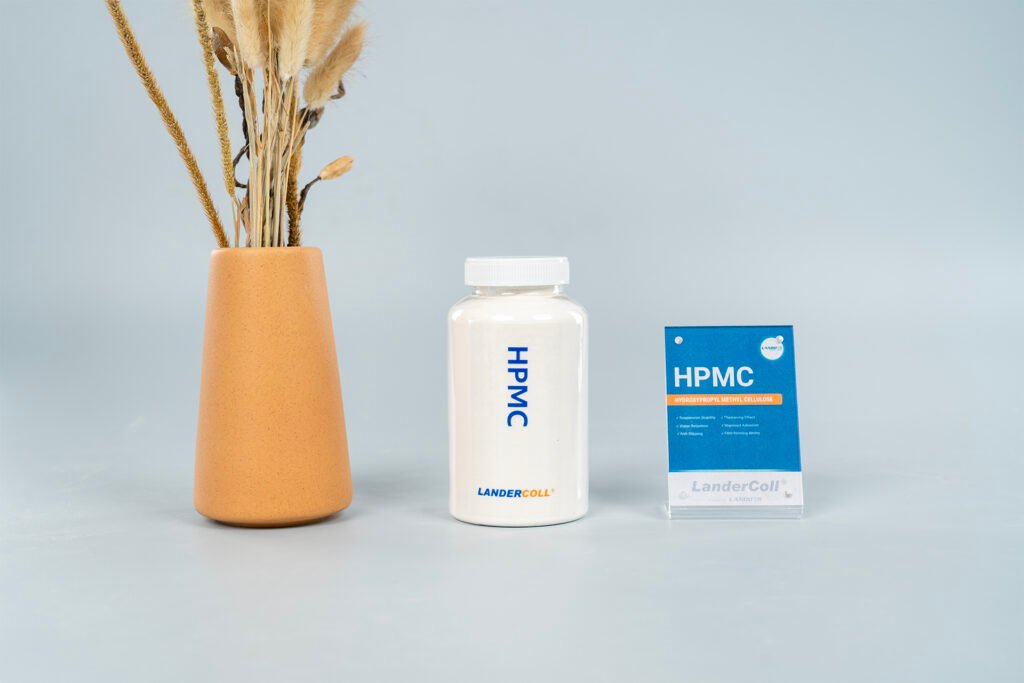
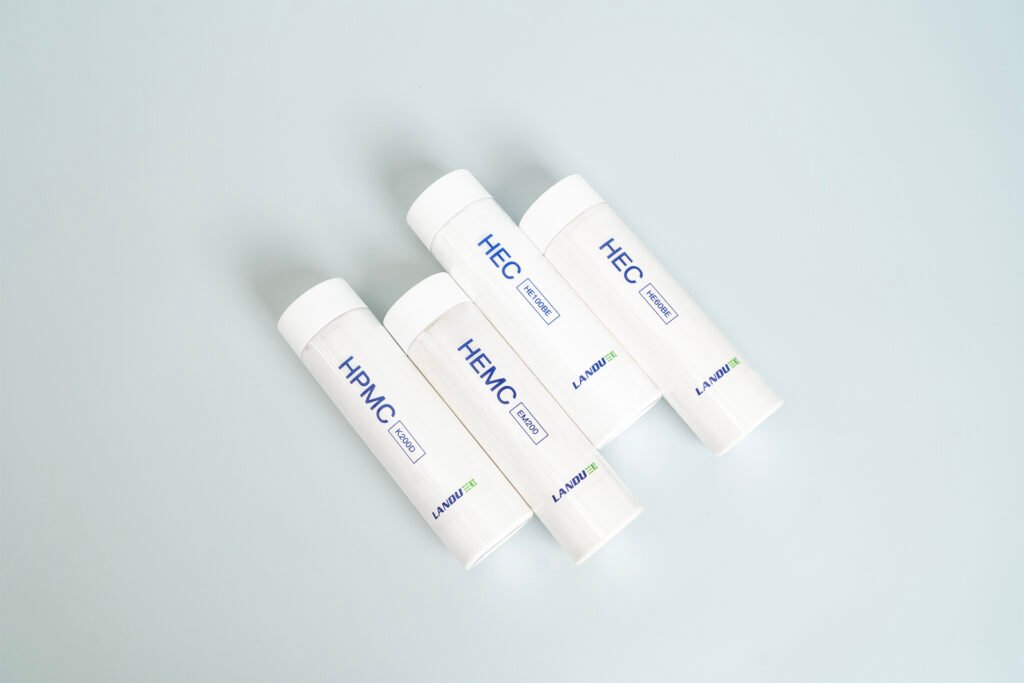
Landercoll HPMC
Hydroxypropyl Methyl Cellulose
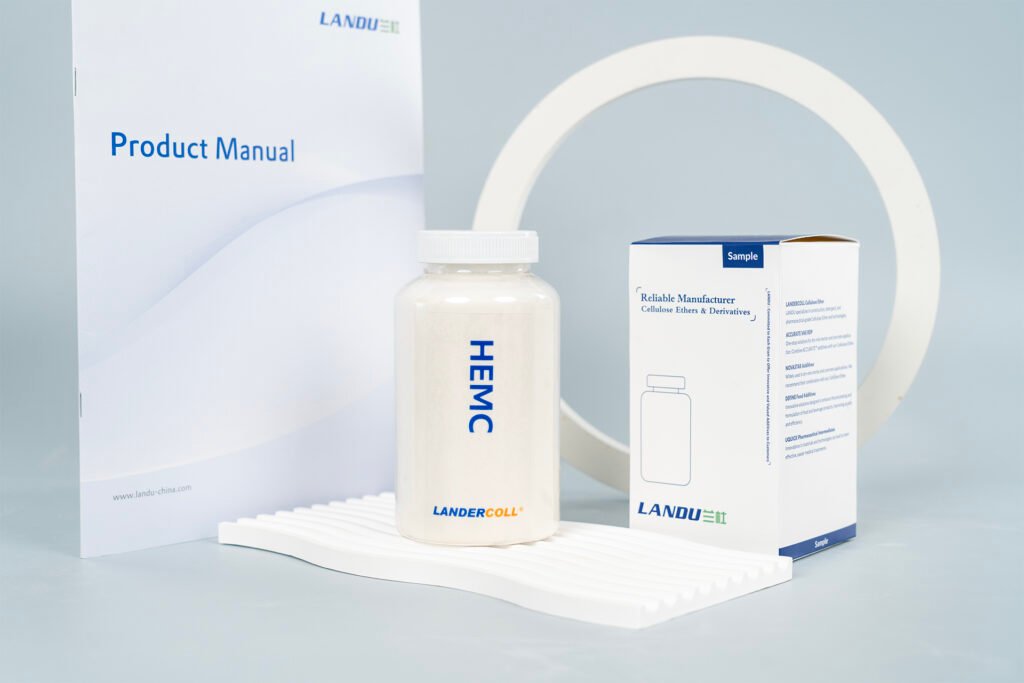
Landercoll HEMC
Hydroxyethyl methyl cellulose
Landercoll MHEC
Methyl Hydroxyethyl Cellulose
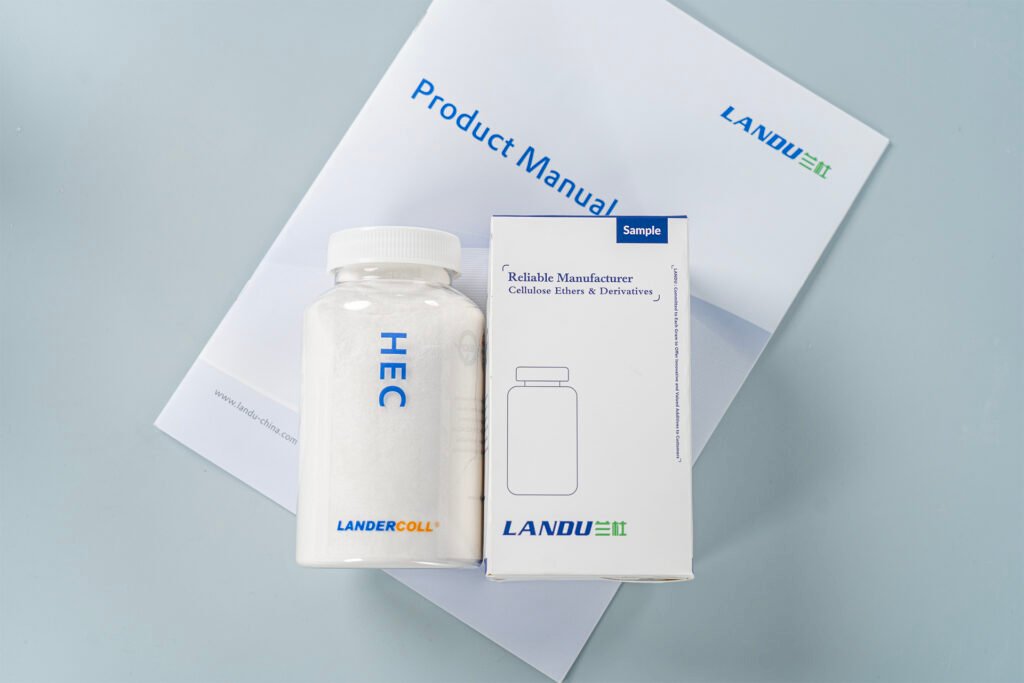
Landercoll HEC
Hydroxyethyl Cellulose
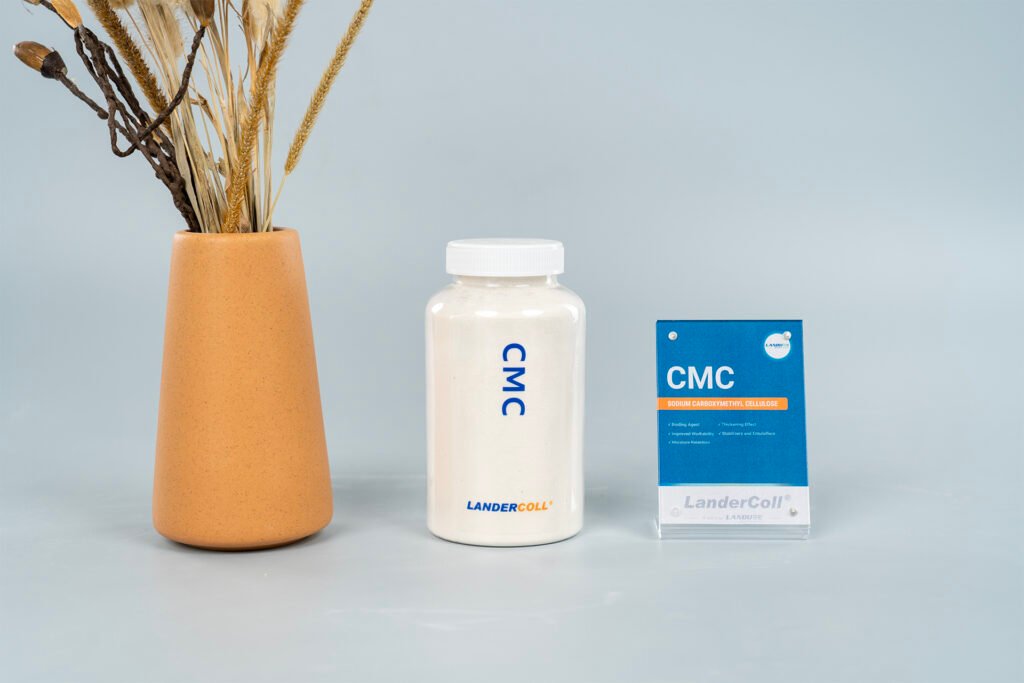
Landercoll CMC
Carboxymethyl Cellulose
Landercoll PAC
Polyanionic Cellulose

What is Cellulose Ether

At LANDU, cellulose ether is engineered as a high-performance polymer derived from natural cellulose, modified through etherification to enhance its functionality. Each glucose unit in the cellulose backbone contains three hydroxyl groups—one primary (on carbon 6) and two secondary (on carbons 2 and 3). By substituting these hydroxyl groups with hydrocarbon groups, LANDU produces a range of cellulose ether derivatives tailored for specific applications.

Depending on the type of substituent introduced, LANDU’s cellulose ethers are classified into anionic, cationic, and nonionic types, each offering unique solubility, reactivity, and performance characteristics across industries such as construction, pharmaceuticals, food, and personal care.
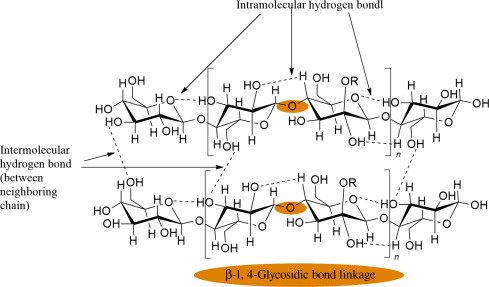
At LANDU, we closely monitor the Degree of Substitution (DS) and Molar Substitution (MS) to ensure the consistent quality and performance of our cellulose ethers. These two parameters are key indicators of the chemical modification level of cellulose, directly impacting product behavior in various applications.

What is DS (Degree of Substitution)?

DS refers to the average number of hydroxyl groups on each glucose unit in the cellulose chain that have been replaced by substituent groups. Since each anhydroglucose unit has three hydroxyls, the DS ranges from 0 to 3. A higher DS generally means a higher level of modification.

What is DS (Degree of Substitution)?

MS applies specifically to hydroxyalkyl cellulose ethers. When a hydroxyalkyl group is introduced, it may form additional hydroxyl groups, allowing further substitution. MS indicates the average number of moles of etherifying agent reacted per glucose unit, and unlike DS, it can exceed 3—sometimes reaching much higher theoretical values.

For cellulose alkyl and carboxyalkyl ethers, DS and MS are usually the same.

For hydroxyalkyl ethers, MS is typically greater than DS due to side chain formation.

Why DS and MS Matter at LANDU

Cost Impact:

Higher DS values mean more reagents and higher processing costs.

Gel Temperature & Gelling Behavior:

DS affects gel point and thermal response—critical for applications like construction additives and personal care products.

Stability & Resistance:

Higher DS improves enzymatic resistance and long-term product stability.

Flow & Application Performance:

Increased substitution improves leveling, spreadability, and application properties.

Degree of Substitution Across Various Cellulose Ethers

At LANDU, we tailor cellulose ether products by carefully controlling the degree of substitution (DS), ensuring each type performs precisely in its intended application. Different cellulose ethers have distinct substitution levels, directly influencing their solubility, viscosity behavior, and thermal stability.

HPMC

HPMC (Hydroxypropyl Methyl Cellulose)

DS ranges between 1.6–1.8. It experiences a noticeable drop in viscosity near 60°C, but can tolerate temperatures up to 65°C, making it ideal for thermal-sensitive applications like tile adhesives and renders.

HEMC (Hydroxyethyl Methyl Cellulose)

Typically falls between HPMC and HEC in thermal tolerance and water retention, with DS adjusted to meet specific needs in building materials and detergents.

HEC (Hydroxyethyl Cellulose)

DS ranges from 2.6–2.8, with an average operational DS of 2.2–2.5. Known for its high gel temperature and excellent hot water resistance, making it suitable for both industrial and personal care use.

CMC (Carboxymethyl Cellulose):

Typically features a DS of 0.8–0.9. Domestic grades may reach DS 1.0, while premium grades can go up to 1.2, offering improved solubility and stability.

Raw Materials Used in Cellulose Ether Production

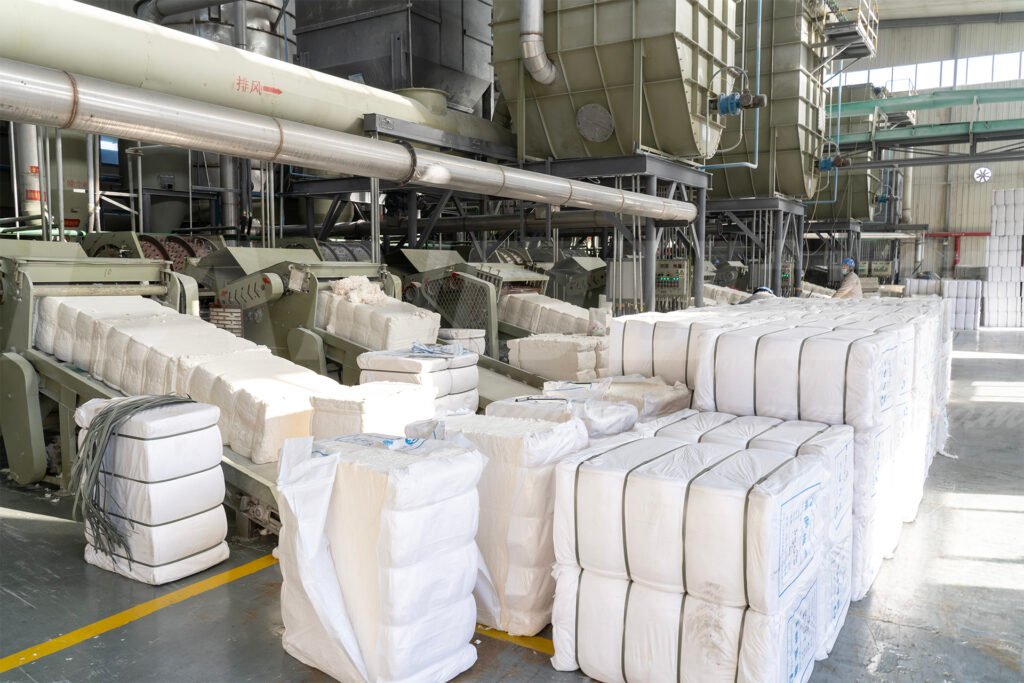
At LANDU, the raw materials for cellulose ether production are primarily sourced from cotton and wood cellulose, selected based on regional resource availability and performance needs. Cotton cellulose—commonly known as refined cotton—is derived from cotton linters, the short fibers (<10 mm) left on cottonseed hulls after the removal of longer fibers. These linters are rich in cellulose, containing approximately 65% to 80%, with the remainder consisting of fat, wax, pectin, and ash.

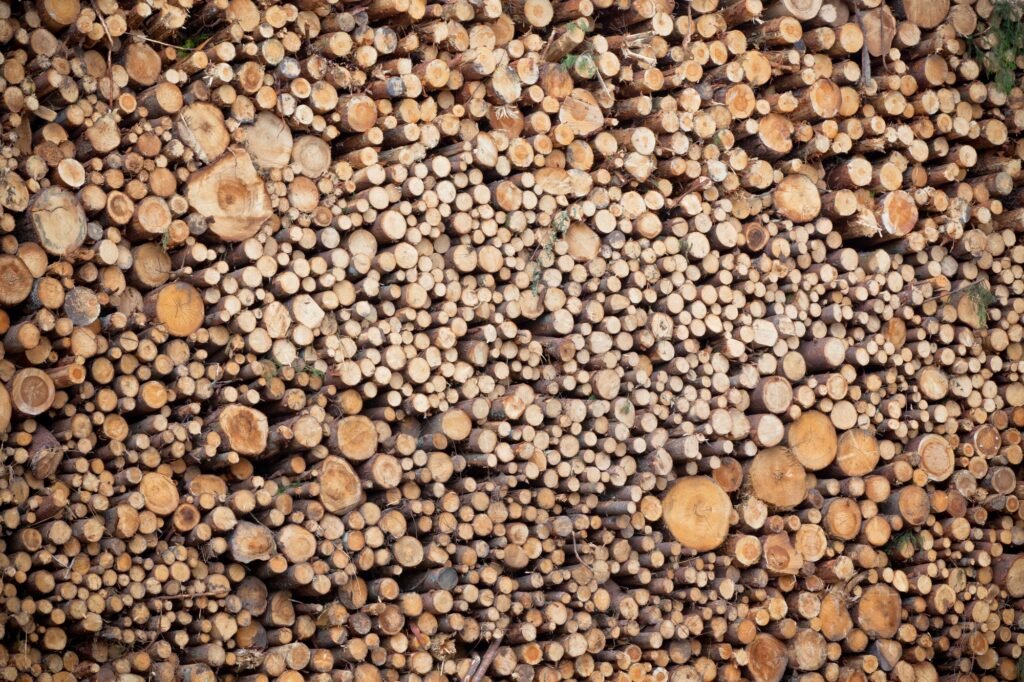
Pile of wood
Cotton

Wood cellulose, another major source, contains around 35% to 45% cellulose, with the rest made up of hemicellulose (25%–35%), lignin (20%–30%), and other minor components like fats, waxes, pectins, and ash. The composition of wood varies significantly depending on the region and climate, with global sources including both softwoods and hardwoods from natural forests and cultivated plantations.

In addition to traditional sources, non-wood fibers such as cereal straw, bagasse, and bamboo—mainly gramineous plants—are also potential raw materials. Though not yet fully exploited, they present promising options for sustainable cellulose sourcing in the future.

Cellulose Ether Manufacturing Process

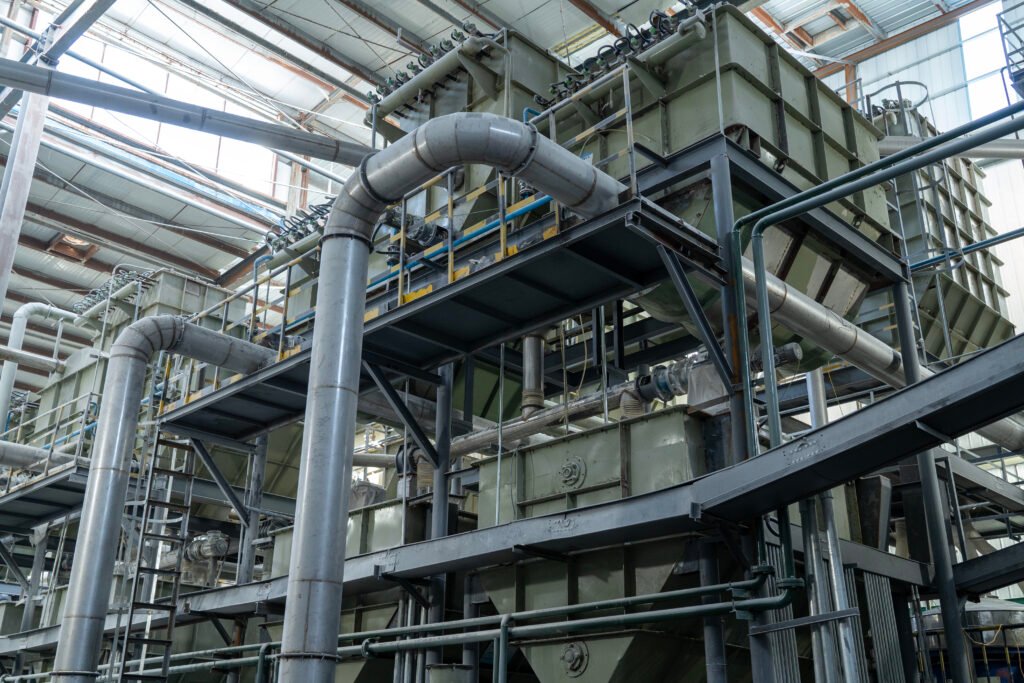
The production of cellulose ethers follows a multi-step process designed to transform natural cellulose into a versatile industrial ingredient. These steps include alkalization, etherification, neutralization, and purification, each playing a critical role in ensuring product quality and performance.

Alkalization

The process begins by treating cellulose with an alkaline solution, usually sodium hydroxide. This step activates the hydroxyl groups in the cellulose structure, making them more chemically reactive and ready for the next phase.

Etherification

Once activated, the cellulose reacts with etherifying agents—such as methyl chloride (for methyl cellulose) or propylene oxide (for hydroxypropyl methylcellulose). These agents replace hydroxyl groups with ether groups, forming the desired type of cellulose ether.

Neutralization

After the etherification reaction, the mixture is neutralized to stop further chemical activity and stabilize the product

Purification

In the final stage, the cellulose ether is thoroughly purified. Unreacted chemicals and by-products are removed through washing and filtration, resulting in a clean, high-quality material suitable for use across multiple industries.

Key Properties of Cellulose Ether

At LANDU, our cellulose ethers are engineered to deliver a balance of solubility, performance, and environmental safety—making them ideal for a wide range of industrial applications. Below are the core properties that define their functionality:


1. Solubility

The solubility of cellulose ether depends on several factors:

  • Substituent Group Type: Larger substituent groups tend to lower solubility, while polar groups increase water solubility.

  • Degree of Substitution (DS): Most cellulose ethers dissolve in water when DS ranges between 0 and 3.

  • Degree of Polymerization: Lower polymerization improves solubility across various solvents, while higher degrees may reduce it.


2. Viscosity

Cellulose ether solutions exhibit distinct viscosity characteristics:

  • Concentration: Viscosity increases with higher solution concentration.

  • Temperature: As temperature rises, viscosity generally decreases.

  • Additives: Salts and other ingredients can adjust viscosity to suit specific application needs.


3. Stability

LANDU cellulose ethers are stable under normal conditions—resistant to air, moisture, sunlight, and moderate heat. However, they may degrade when exposed to strong oxidizers, acids, or high-energy radiation.


4. Biodegradability

As naturally derived polymers, cellulose ethers are biodegradable and non-toxic. This eco-friendly profile makes them a sustainable alternative to synthetic polymers, supporting reduced environmental impact over time.


5. Safety

Recognized as GRAS (Generally Recognized As Safe), cellulose ethers have a strong safety record across multiple industries. They are well-tolerated in applications ranging from food and pharmaceuticals to construction and personal care.

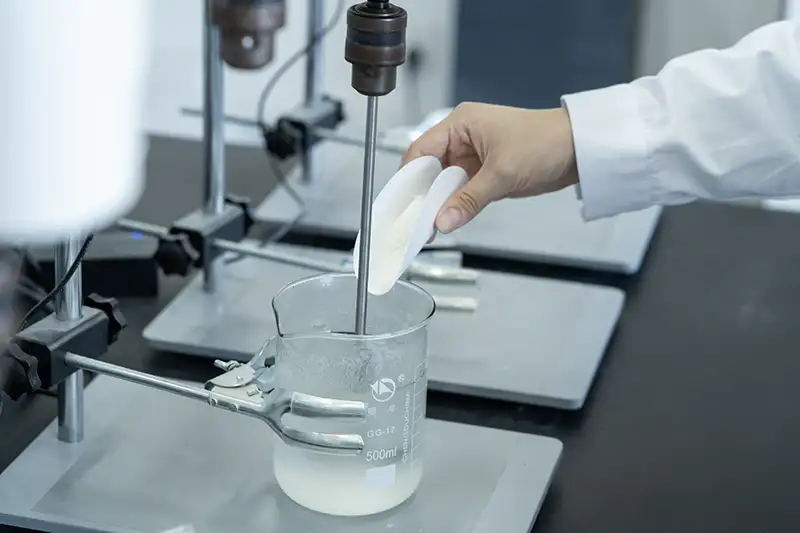
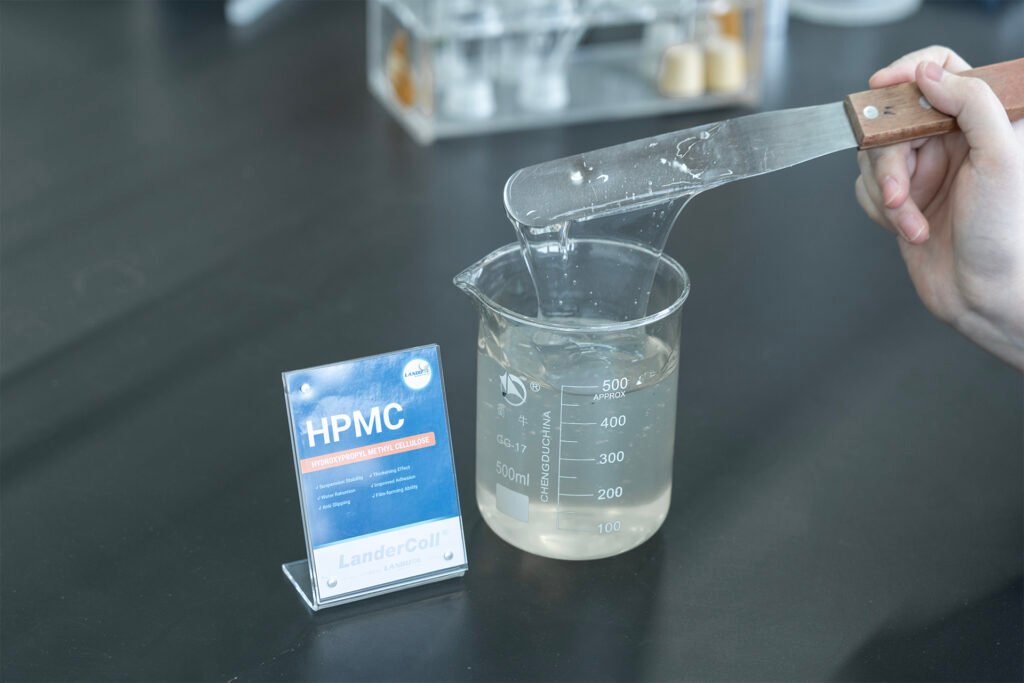
HPMC-Hydroxypropyl-Methyl-Cellulose-solution