Hydroxypropyl Methylcellulose (HPMC) Supplier for Construction Materials

Home > Applications > HPMC

Construction Grade HPMC

LANDU manufactures hydroxypropyl methylcellulose (HPMC) under the LANDERCOLL® brand, supplying construction-grade cellulose ether for dry mix mortar manufacturers worldwide.

Our HPMC grades are developed for tile adhesive, EIFS/ETICS, wall putty, cement render and other cement-based and gypsum-based applications.

For dry mix mortar manufacturers, selecting the right HPMC grade requires consideration of application requirements, formulation design, and expected performance. The following guide explains grade selection logic, key technical parameters, and the quality documentation available from LANDU before sample evaluation.

What is Hydroxypropyl Methylcellulose (HPMC)

Hydroxypropyl methylcellulose (HPMC) is a non-ionic cellulose ether derived from natural cellulose through etherification with propylene oxide and methyl chloride. It is water-soluble, forms a gel structure at elevated temperature, and is used as a rheology modifier and water-retention agent in cement-based and gypsum-based building materials.

In dry mix mortar, HPMC is dispersed in powder form and activates on contact with mixing water, thickening the fresh mortar, slowing water loss to the substrate, and modifying the flow behavior of the wet mix. It does not participate in cement hydration chemically — its function is physical: controlling water migration and mortar rheology during the open and working time of the application.

Key Functions of HPMC in Dry Mix Mortar

For small-volume buyers, a local distributor may sometimes provide advantages such as inventory availability and local support. However, for manufacturers purchasing regular volumes, direct cooperation with an HPMC factory provides stronger control over consistency, technical communication, and long-term supply planning.

HPMC forms a hydrated gel network around the water molecules in the fresh mortar, slowing the rate at which mixing water is absorbed by a porous substrate or lost to evaporation. This matters because cement needs sustained water availability to hydrate properly — if water is pulled out of the mortar too fast (porous brick, hot dry site conditions, thin-bed application), hydration stops early and bond strength drops. Water retention value (typically tested at 60 minutes) is one of the first numbers a formulator should check against site conditions, not just the viscosity grade.
HPMC increases the plastic viscosity of the wet mix and gives it a smoother, more cohesive feel under the trowel. This is a separate effect from water retention — a mortar can retain water well and still feel harsh if the polymer isn’t building the right consistency. Workability is largely a function of viscosity grade and substitution type, and it’s usually judged by the applicator, not by a lab number.
Open time is the window during which a troweled adhesive bed remains tacky enough to achieve proper tile transfer and wetting. HPMC extends open time by slowing surface skinning — the film that forms as water evaporates from the top layer of adhesive. Higher water retention generally supports longer open time, but the relationship isn’t strictly linear across all grades; some modified/blended HPMC types are specifically optimized for extended open time without over-thickening the mix.
For wall and vertical tile applications, the mortar has to hold a notched-trowel ridge and support tile weight without slumping before it sets. This is a shear-thinning / pseudoplastic behavior question — the mortar needs high viscosity at rest (to resist sag under tile weight) but should still shear-thin enough to spread under trowel pressure. Anti-sag HPMC grades are typically higher-viscosity or structurally modified to build this yield stress without making the mix unworkable.
Beyond sag resistance, HPMC governs how the fresh mortar responds to mixing shear, pumping (for machine-applied render or self-leveling systems), and troweling. Getting this wrong shows up as pump line blockage, poor leveling, or a mix that feels “stringy” or “short” under the trowel — problems that are corrected by adjusting HPMC viscosity or dosage rather than other admixtures.
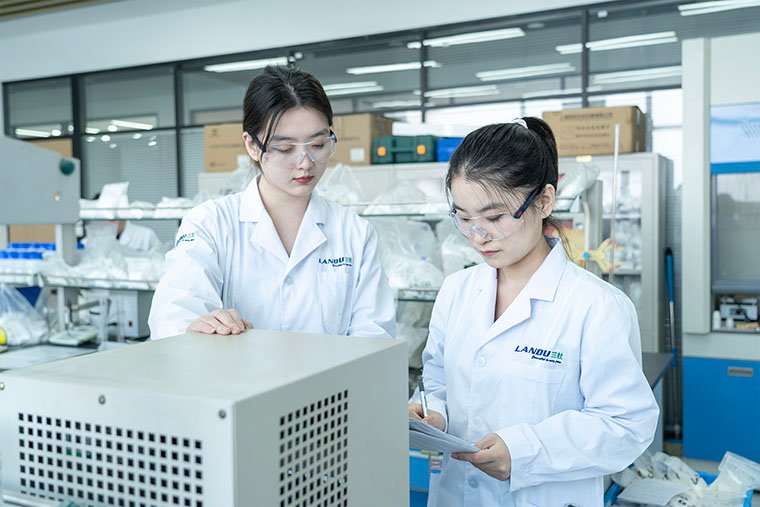
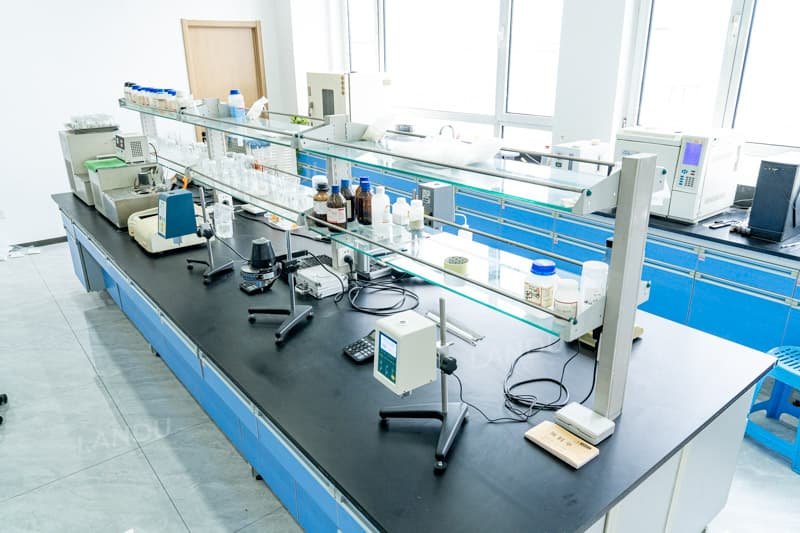
Landu's HPMC Laboratory
Landu's Laboratory
Hydroxypropyl methylcellulose (HPMC) Laboratory

LANDERCOLL® HPMC Grades Selection Guide

Grade selection is driven by application requirements, not by viscosity alone. The table below outlines the selection logic — confirm exact grade codes and dosage recommendations with LANDU technical support for your specific formulation.
Application
Performance Priority
 
Why This Application Needs It
Typical Viscosity Range
Tile Adhesive (C1/C2 type)
Open time, water retention, sag resistance for wall tiling
Tile adhesive is troweled in a thin bed and must stay workable long enough for tile placement while resisting slump on vertical walls; both water retention and controlled rheology are needed simultaneously
Medium to high viscosity (formulation-dependent)
EIFS/ETICS (Base Coat & Adhesive Mortar)
Water retention, workability, crack resistance support
Base coat mortar is applied over insulation board in a relatively thick layer and needs sustained water retention to cure properly and support mesh embedding without slumping
Medium to high viscosity
Wall Putty (Skim Coat)
Smoothness, sag resistance, sandability
Putty is applied in thin layers and finished by hand or blade — the polymer needs to give a smooth, non-draggy feel and hold the applied layer without sagging before hardening
Medium to high viscosity, often finer particle grades
Cement Render / Plaster
Water retention, pumpability (for machine render), workability
Render is often machine-applied and covers larger areas, so consistent water retention across the working time and shear-thinning behavior for pump conveyance are priorities over sag resistance
Medium viscosity, pump-grade options
Selection Logic in Practice: a formulator moving from a hand-applied wall putty to a machine-sprayed render is not just changing dosage — they are typically changing viscosity grade and sometimes substitution type, because pump conveyance behavior and hand-workability behavior are not the same rheological target. LANDU’s technical team reviews the target application, mixing/application method, and climate conditions before recommending a grade.

Applications

HPMC for Tile Adhesive

Tile Grout

Cement Render Additives

Gypsum Based Moratr

Wall Putty

EIFS/ETICS

Waterproof Mortar

Repair Mortar

Self-leveling Compounds

Try Our FREE HPMC Samples!

landu-laboratory

LANDU, cellulose ether Additives Supplier From China, experience our Landercoll HPMC/MHEC/HEC products firsthand with a FREE sample!

  • Sample Size: 200g or 400g.
  • Shipping: Fast via FedEx or DHL.
  • Service: Expert formula adjustment support.

Technical Specifications

ApplicationTypical Viscosity RangeKey Performance Focus
Tile adhesive40,000–150,000 mPa·sOpen time, water retention, sag resistance
Self-leveling compoundLow viscosity gradesFlowability, water retention, workability
Gypsum-based plaster60,000–150,000 mPa·sWorkability, consistency, anti-sagging
Cement render / EIFS80,000–160,000 mPa·sWater retention, adhesion, mortar stability
Wall putty / skim coat60,000–100,000 mPa·sSmooth application, water retention, workability
Chemical Name Brand Grade NDJ Viscosity 2% Brookfield RV 2% Tile adhesive Tile grout Masonry Mortar Gypsum based mortar Wall Putty EIFS/ETICS Waterproof Mortar Repair Mortar Self-leveling Compounds
HPMC Landercoll® K04 300-1,000 300-500 ● ●● ●●
K5 5,000-10,000 3,000-5,000 ●● ●● ●●
K10HT 12,000-25,000 8,000-12,000 ●● ●●
K40 35,000-45,000 20,000-24,000 ● ●● ●● ● ● ● ●● ●●
K40HT 35,000-45,000 20,000-24,000 ●● ●●
K40G 35,000-45,000 20,000-24,000 ●●
K75 75,000-80,000 35,000-40,000 ● ● ● ● ●
K75H 75,000-80,000 35,000-40,000 ●● ● ●●
K75G 75,000-80,000 35,000-40,000 ●● ●
K100 85,000-110,000 45,000-60,000 ● ● ● ● ● ● ●● ●● ●●
K100H 85,000-110,000 45,000-60,000 ●● ● ●● ●
K100G 85,000-110,000 45,000-60,000 ●● ●
K150 140,000-160,000 55,000-65,000 ● ● ● ● ●●
K150G 140,000-160,000 55,000-65,000 ●● ●
K200 185,000-215,000 65,000-80,000 ● ● ●
K200H 185,000-215,000 68,000-75,000 ●● ●
● Workable
●● Recommended

LANDERCOLL® HPMC grades are selected based on viscosity, substitution characteristics, dissolution behavior, and application requirements rather than simply marketing grade names. If you are evaluating an alternative HPMC grade, share your current formulation and performance targets — our technical team can recommend a suitable grade for comparison testing.

LANDERCOLL® HPMC Grades and Technical Data

Landercoll HPMC K100

Landercoll HPMC K100H

Landercoll HPMC K100

Packaging and Size

We package HPMC/MHEC/HEC in paper bags with plastic liners to provide extra protection. Please keep the product sealed and store it in a cool, dry place, away from moisture, direct sunlight, and sources of ignition.

25Kg Bag

Packaging: 25 kg net per polypropylene woven bag with PE inner liner.

600kg Pallet

Palletizing: 600 kg per pallet. Custom volumes & delivery upon request.

Customized Packaging

We'll promptly offer professional solutions tailored toyour needs.

Quality Control System

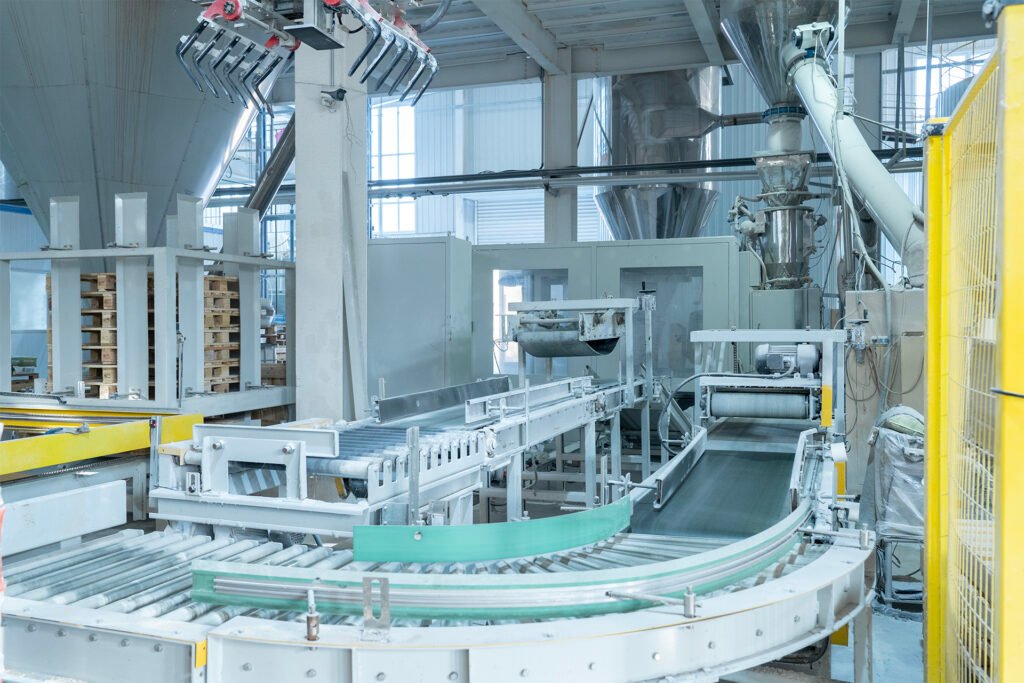
Landercoll® has been a trusted name in cellulose ether manufacturing for years, backed by three production bases equipped with state-of-the-art facilities. Our manufacturing process features 16 horizontal reactors and 4 vertical reactors ensuring high-capacity, consistent output, alongside a DCS (Distributed Control System) for fully automated production and an SIS (Safety Instrumented System) for real-time process safety.

ISO 9001 and EU REACH certification

Explore LANDU’s trusted chemical products, exported to over 60 countries worldwide. Benefit from our extensiveexperience collaborating with multinational corporations and top-tier factories. Our independent R&D center andapplication laboratory innovate with 11 patents and 4 usage patents.
Count on us for high-quality products and customized formulations to meet diverse customer needs.

How to Select the Right HPMC Grade

Grade selection should start from the application’s failure mode, not from the viscosity number on a datasheet. A few practical points for formulation engineers:
Two grades at the same viscosity can behave differently in a mix depending on substitution type and molecular weight distribution. Viscosity tells you roughly how much thickening you’ll get, but water retention and open time need to be checked separately against your target performance.
A tile adhesive formulated for a temperate market may underperform in hot, low-humidity, high-substrate-absorption conditions — faster water loss on site generally calls for higher water retention performance, sometimes meaning a higher dosage or a grade with stronger water-retention characteristics, not just a viscosity increase.
Site-mixed mortar and factory pre-blended dry mix behave differently in terms of hydration speed and dispersion. Cold-water dispersible / instant-dissolving grades reduce lumping risk in mechanical mixing lines, which matters more for high-throughput production than for small-batch site mixing.
Machine-sprayed render, pumped self-leveling compound, and hand-applied putty each put different shear demands on the mortar. A grade that performs well hand-troweled may cause pump line pressure issues in a machine-applied system — this is a rheology profile question, and it’s worth testing under your actual application equipment before locking in a grade.
Lab jar testing gives a first read on water retention and viscosity behavior, but open time and sag resistance are best confirmed in a small trial batch under your actual mixing and application conditions before committing to production-scale dosage.
LANDU’s technical team can review your target formulation, substrate, and climate conditions and recommend a starting grade and dosage range for trial.

Why Choose LANDU as HPMC Supplier

Why Choose LANDU as HPMC Supplier

Manufacturing capability

LANDU manufactures LANDERCOLL® HPMC in-house, covering low, medium, and high-viscosity grades for construction-grade applications, with production capacity to support both trial-order quantities and container-load repeat supply.

Quality Control

Each production batch is tested against internal specification limits before release, including viscosity, moisture, ash, and appearance checks, with retained samples for traceability.

Batch Consistency

Production process parameters are controlled to keep viscosity and performance characteristics within specification from batch to batch, which matters for formulators running continuous production lines where a batch-to-batch shift in dosage requirement is a real cost, not a minor inconvenience.

ISO 9001

LANDU's quality management system is certified to ISO 9001, covering raw material intake, production process control, and finished goods release procedures.

REACH Compliance

LANDERCOLL® HPMC is supplied with REACH compliance documentation for shipments into the EU market.

Technical Support

LANDU's technical team supports grade selection, dosage recommendations, and troubleshooting (open time issues, sag, pump blockage, water retention shortfalls) based on your application, substrate, and site conditions — before and after the order is placed.

Landercoll Other Products

Cellulose Ether

Landercoll MHEC

Landercoll - HEC

Customer Reviews

Procurement Manager, Spain
"LANDU delivers on time and maintains consistent quality standards. Easy to work with."
Purchasing Manager
"Responsive team, dependable products, and smooth cooperation from sampling to bulk orders."
Purchasing Manager
"Stable HPMC performance across every shipment. Communication is always fast and professional."

FAQ

Start with your adhesive type (thin-bed vs. medium-bed, C1 vs. C2) and required open time. Medium-to-high viscosity grades are generally used for wall tile adhesive where sag resistance is critical; the exact grade should be confirmed with a trial batch against your target open time and vertical slip test result, not selected on viscosity number alone.
LANDU supplies LANDERCOLL® HPMC across low, medium, and high-viscosity grades for tile adhesive, EIFS/ETICS, wall putty, cement render, and self-leveling compound applications. Contact the technical team with your application and target performance for a grade recommendation.
LANDU can work with formulators to recommend or adjust dosage and grade combinations to target specific performance requirements (extended open time, higher water retention, pump-grade rheology). Custom grade development requests should be discussed directly with the technical team, including target application and required performance parameters.
Viscosity grade primarily affects thickening behavior and workability feel, but water retention, open time, and sag resistance also depend on substitution type and particle characteristics — two grades with similar viscosity can perform differently in the same formulation. Grade selection should be based on your target application performance, confirmed through trial testing.