
Cellulose Ethers & Construction Additives
Start with our core cellulose ether range, then explore complementary additives by formulation role. Each product page provides product-specific information, application context and details to review when shortlisting a grade.
Cellulose Ethers
Our core range for construction formulations and selected water-based systems.

Hydroxypropyl Methylcellulose (HPMC)
For construction-grade formulations requiring water retention and rheology control.
View HPMC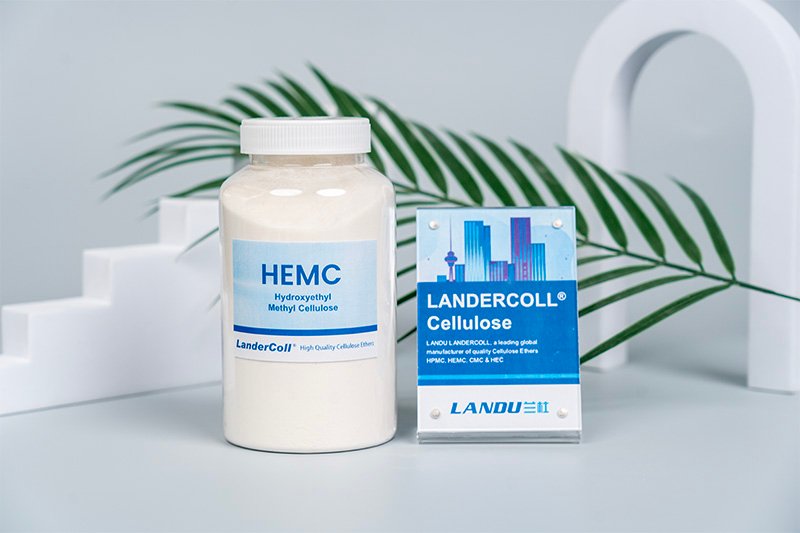
Hydroxyethyl Methyl Cellulose (HEMC / MHEC)
For formulation work requiring tailored workability and water-retention behavior.
View HEMC / MHEC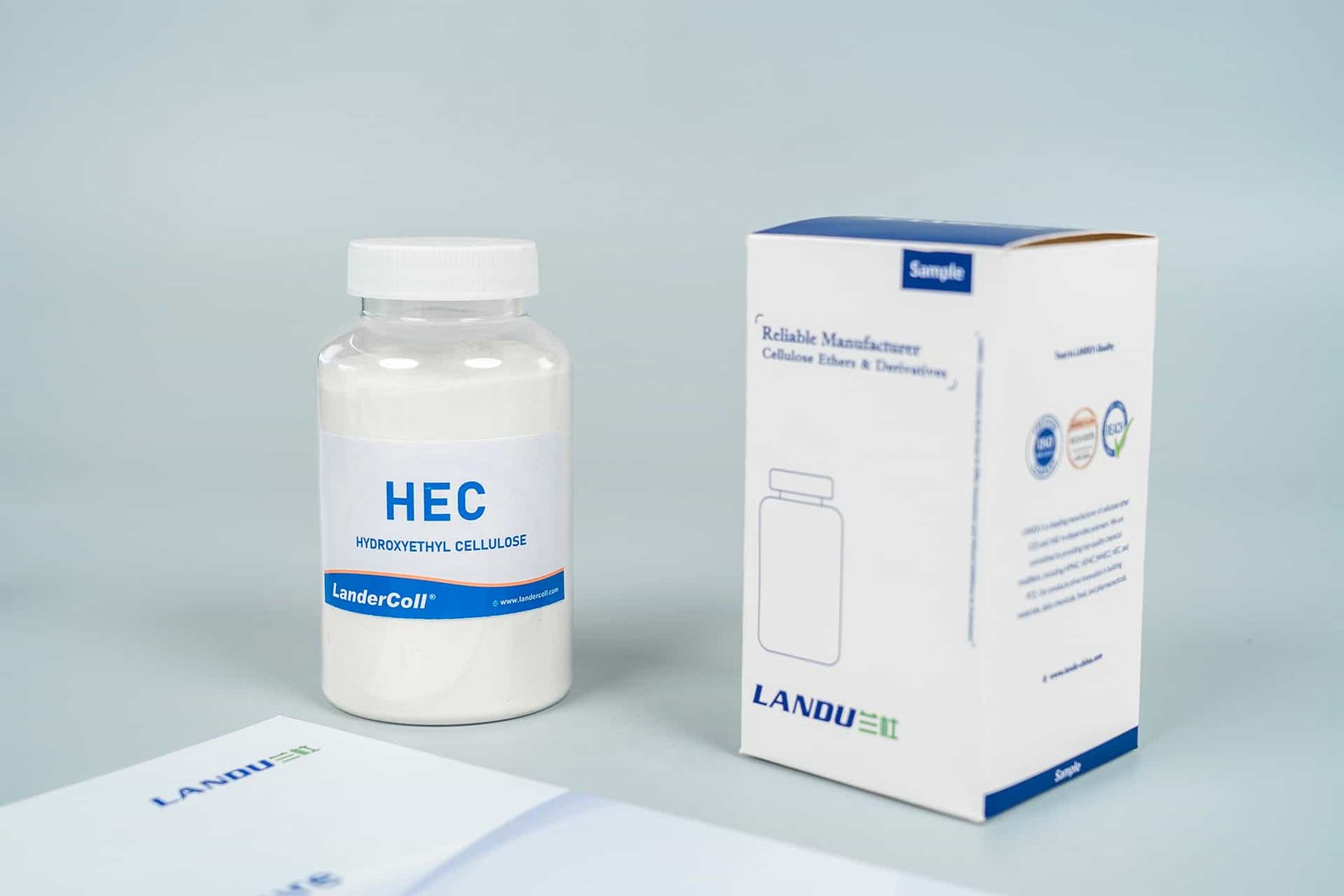
Hydroxyethyl Cellulose (HEC)
A viscosity modifier for selected water-based coating, cleaning and personal-care systems.
View HECConstruction Additives
Explore complementary materials by the role they play in mortar, concrete and other construction systems.
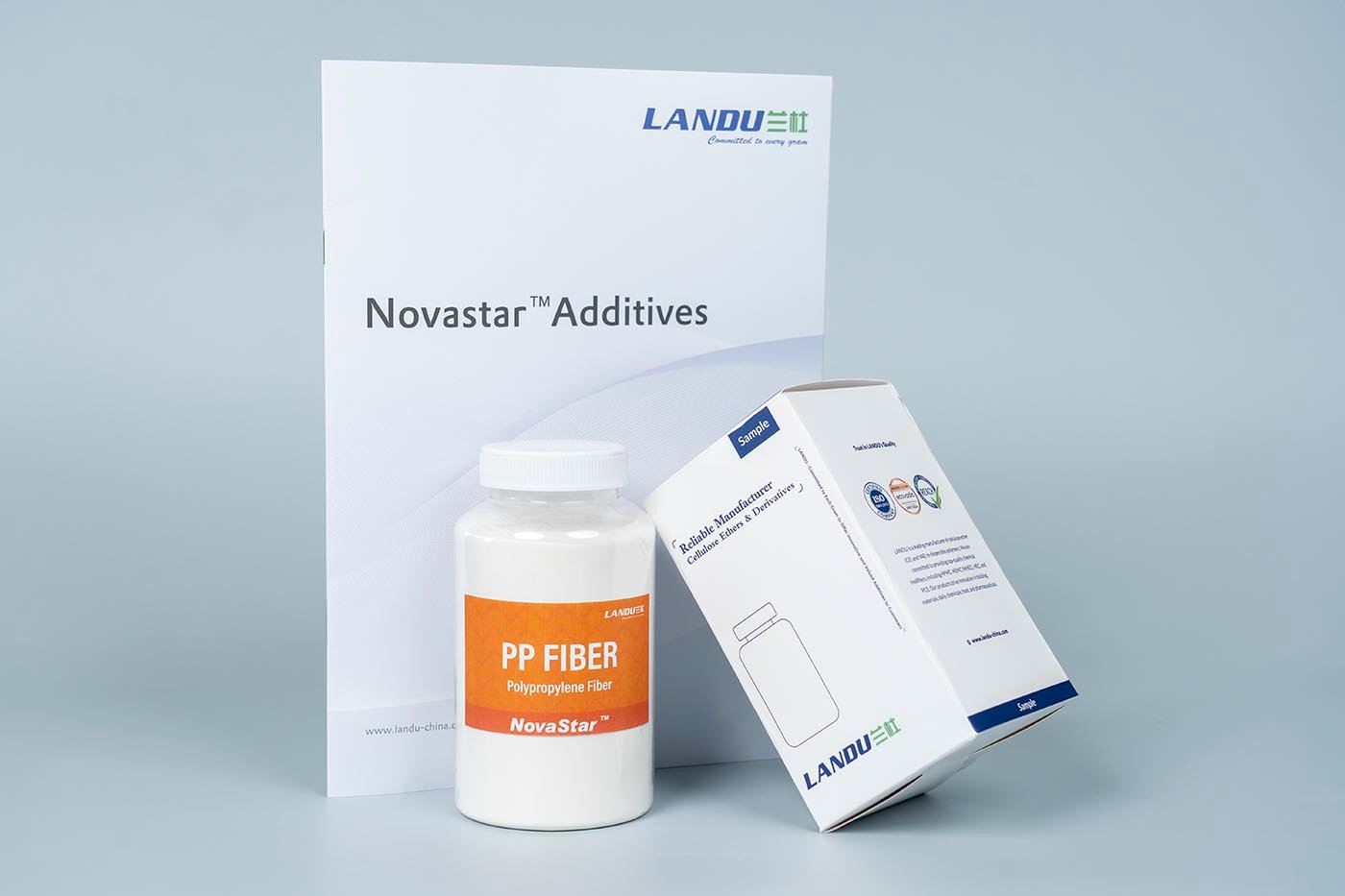
Polymer Modification & Reinforcement
Complementary materials selected to support adhesion, cohesion, flexibility or reinforcement in compatible systems.


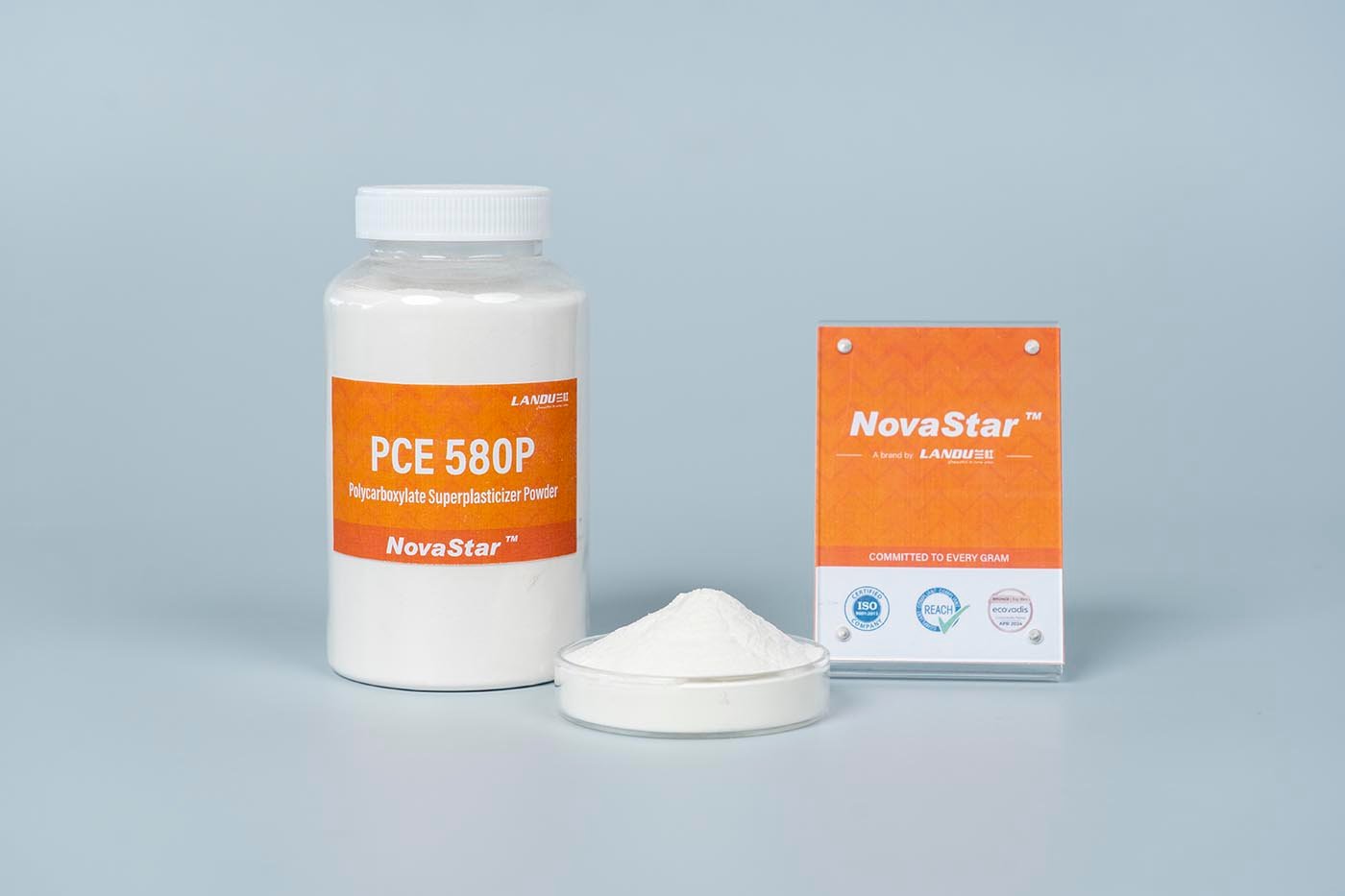
Concrete & Gypsum
Admixtures and setting-control materials for selected cementitious and gypsum-based formulations.
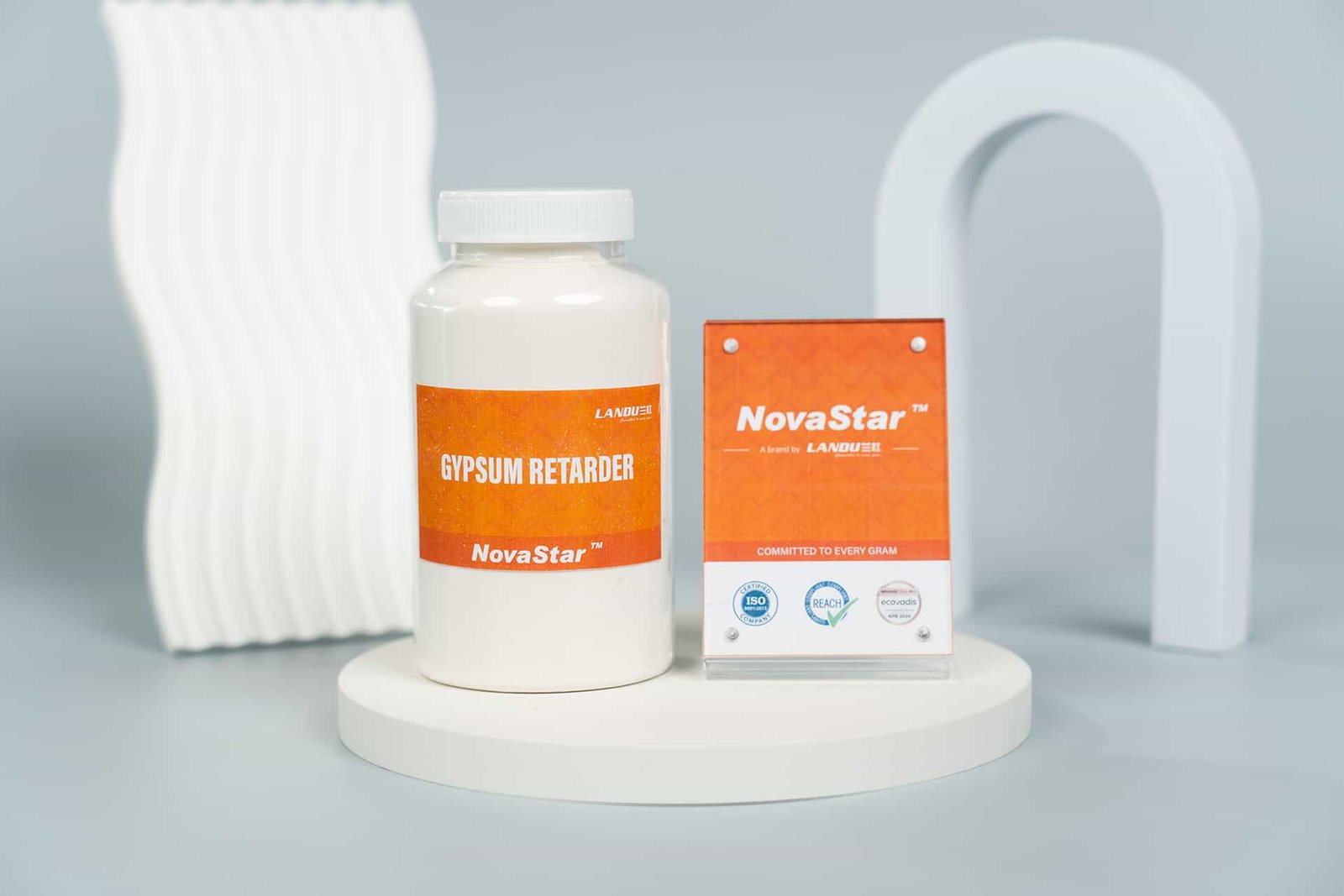
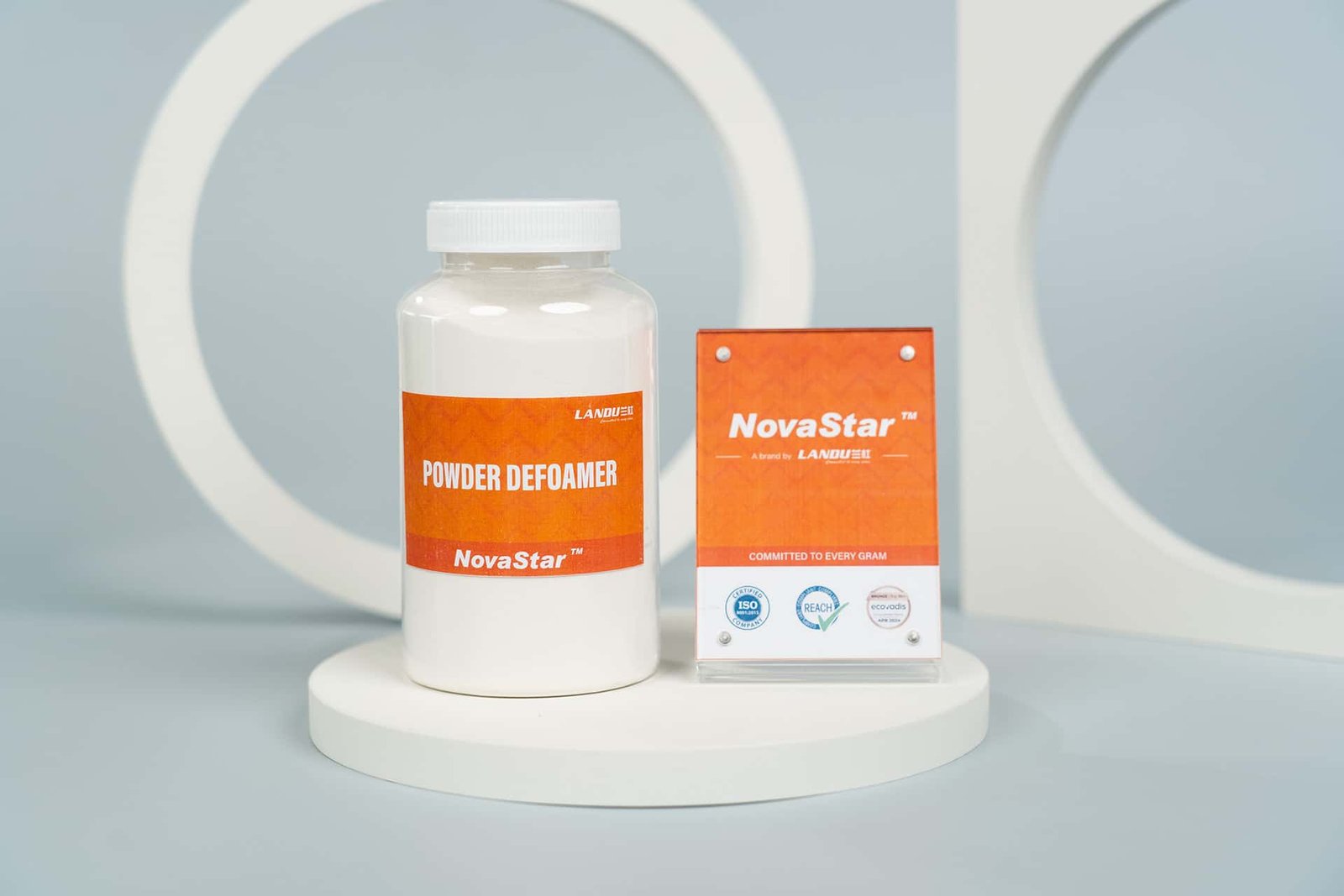
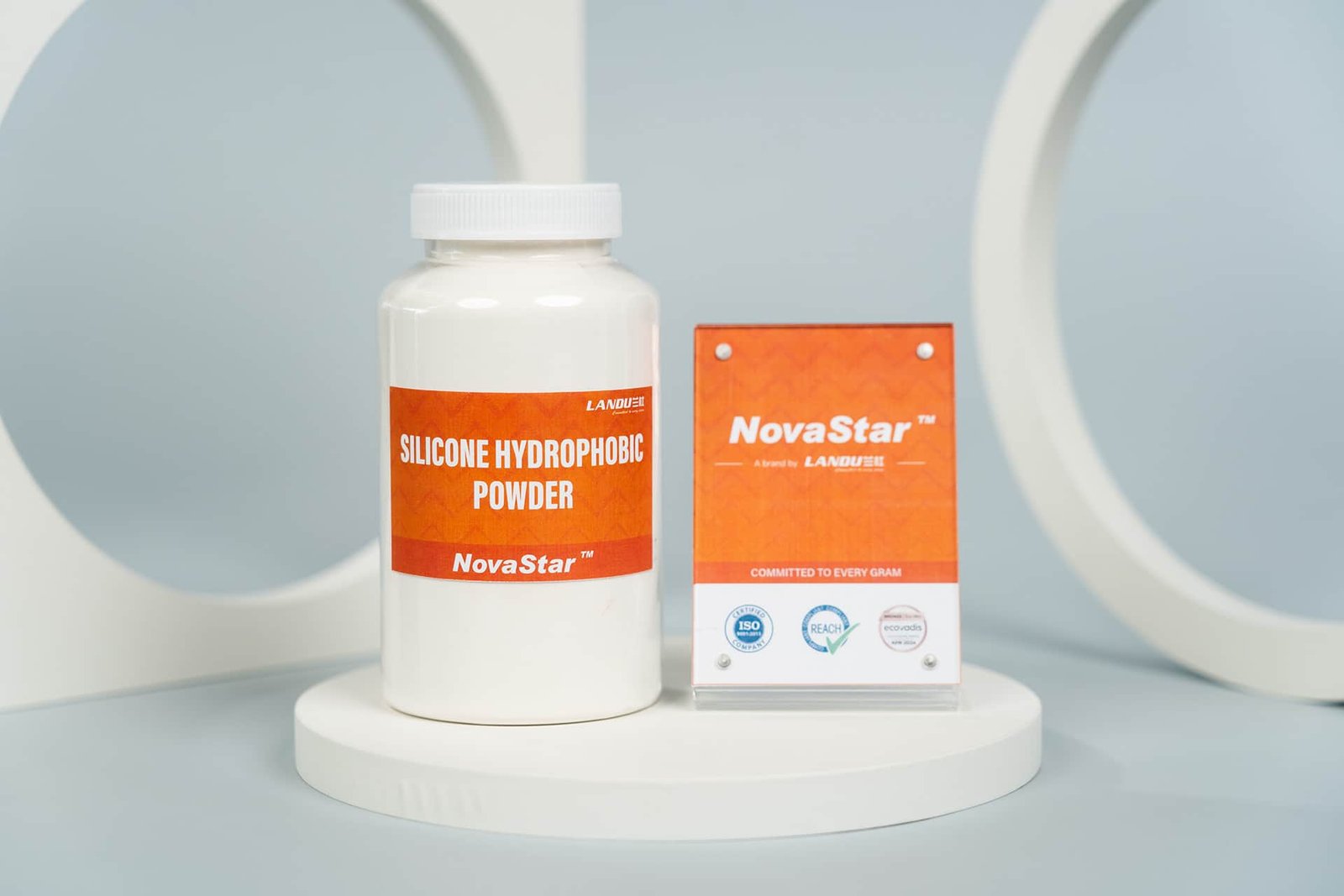
Functional Additives
Specialty additives for foam management and water-repellency requirements in compatible dry-mix systems.
Need to compare grades? Review the product pages for technical information and application context, then share your formulation needs with the LANDU team.
Discuss Product SelectionExplore Applications by Material System
Start with the material system you manufacture. Explore practical application routes for dry-mix mortar and other industries, then follow each route to more focused product and technical information.

Tile Adhesive
Explore additive roles related to open time, slip resistance, workability and adhesion.

Wall Putty & Skim Coat
Material considerations for consistency, application feel and surface finish.

Self-Leveling Compound
Understand the balance between flow, stability and surface quality.

EIFS / ETICS
Explore additive considerations for insulation adhesive and base-coat mortar systems.
Explore Other Industries
Browse additional material systems and industry applications beyond the main dry-mix mortar range.
Concrete & Gypsum
Admixtures and setting-control needs in cementitious and gypsum-based materials.
Coatings & Industrial
Viscosity modification and material requirements across selected industrial systems.
Home & Personal Care
Explore cellulose ether and related material applications outside construction.
Evaluate More Than the Product Name
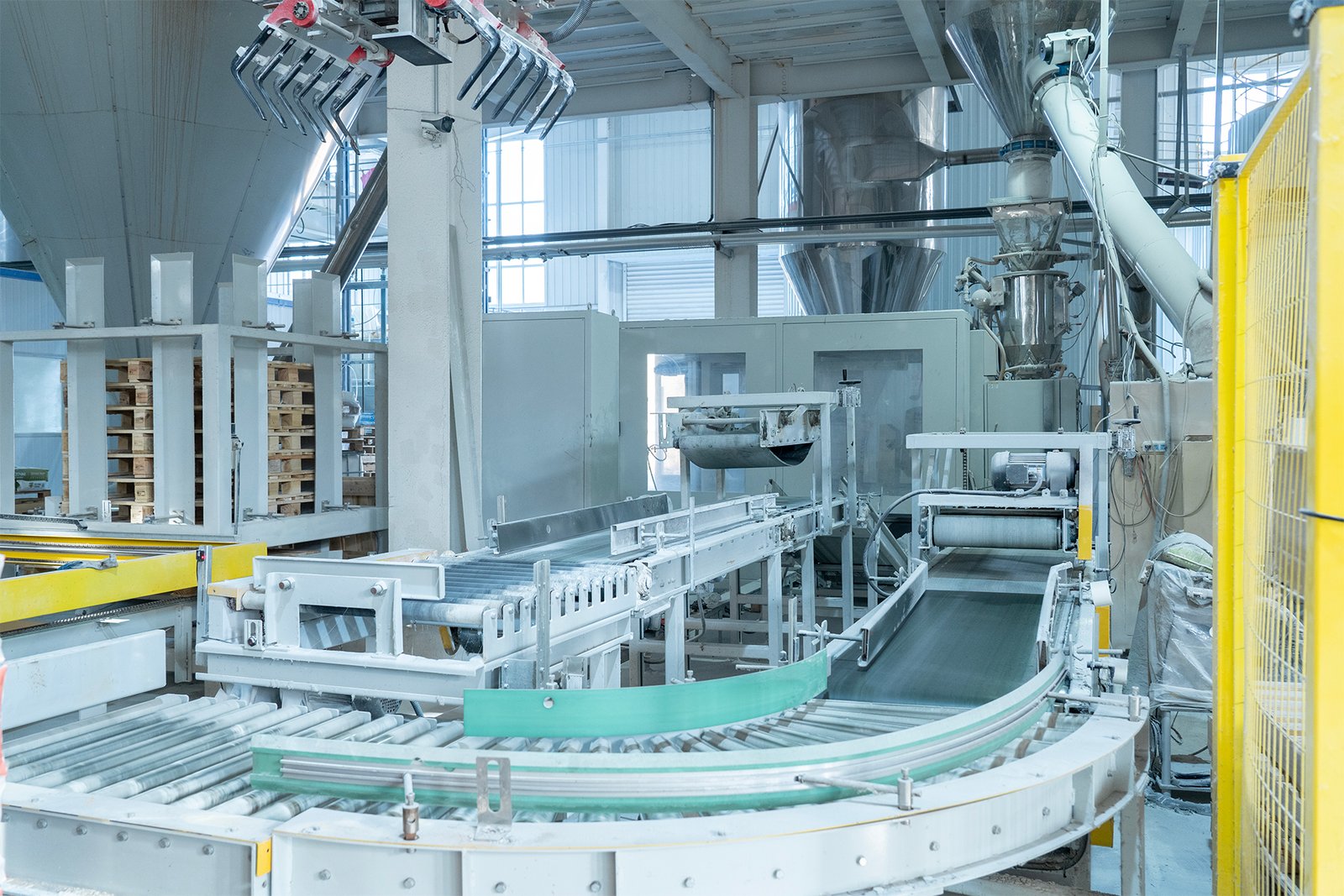
For a long-term B2B supply relationship, product suitability is only one part of the decision. Explore LANDU's manufacturing and company information, then contact the team with the specific technical and documentation questions relevant to your application.
- Manufacturing backgroundReview company and production-related information.
- Laboratory resourcesUnderstand the technical context available for product discussions.
- Product documentationRequest applicable TDS and grade-specific information.
- Application discussionShare your material system and target requirements.
Define the product family and intended system.
Confirm which data and documents are needed.
Share target properties and application conditions.
Discuss samples, documentation and supply requirements.
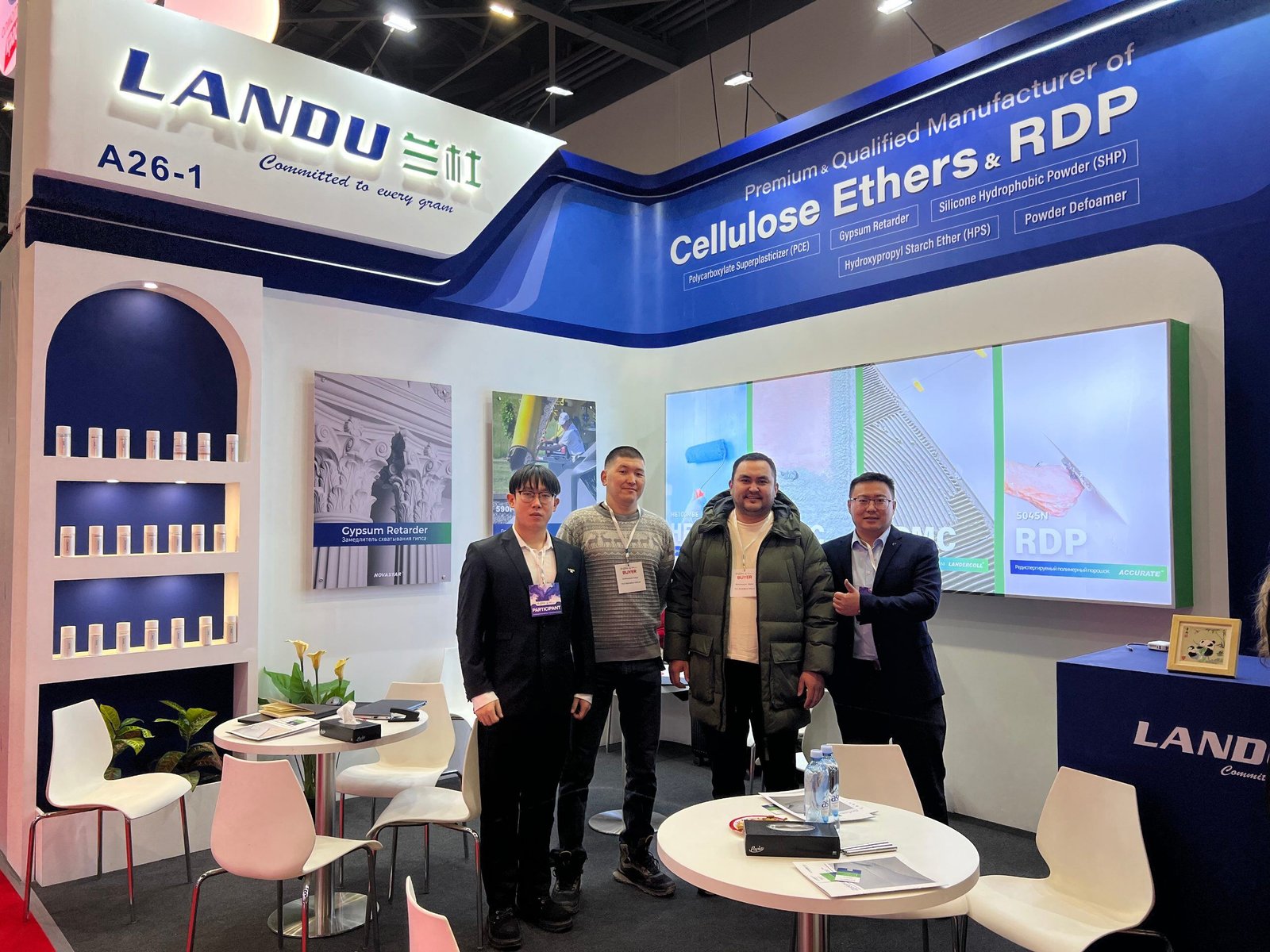
Connect with LANDU at the Right Time
Trade fairs and industry events create opportunities to discuss material requirements face to face. Check LANDU's published company updates for event information, or contact the team to ask about current participation and potential meeting arrangements.
Find published company news and event-related announcements.
Share your application and product questions in advance.
Focus the conversation on materials, grades and documentation.
Clarify technical questions and agree on practical next steps.
Event schedules and participation may change. Please confirm current details with LANDU before making travel or meeting plans.
Practical Reading for Better Material Decisions
Move beyond product descriptions with application guidance, grade comparisons and procurement notes. These articles help readers frame better questions before discussing a material with a supplier.
Tile Adhesive Open Time: Meaning, Testing & How to Extend It
Understand what open time describes, which application and formulation factors can affect it, and why evaluation should consider the complete mortar system rather than a single additive in isolation.
Read the GuideHPMC vs HEMC (MHEC) for Tile Adhesive
Compare cellulose ether choices in relation to application conditions and mortar requirements.
02 Procurement & QualityCellulose Ether COA: How Buyers Should Read It
Review the role of a certificate of analysis in product and supplier evaluation.
03 Grade SelectionHow to Choose HPMC for Tile Adhesive (C0–C2 Systems)
Connect system requirements with the factors used to shortlist candidate grades.
04 Formulation TroubleshootingWinter Mortar Problems
Consider temperature, raw materials, curing and additives together when reviewing cold-weather issues.
Let's Start with Your Application and Evaluation Needs.
Tell us what you manufacture, which material system you use and what you need to evaluate. This gives the conversation a practical starting point for product information, technical discussion or a sample request.