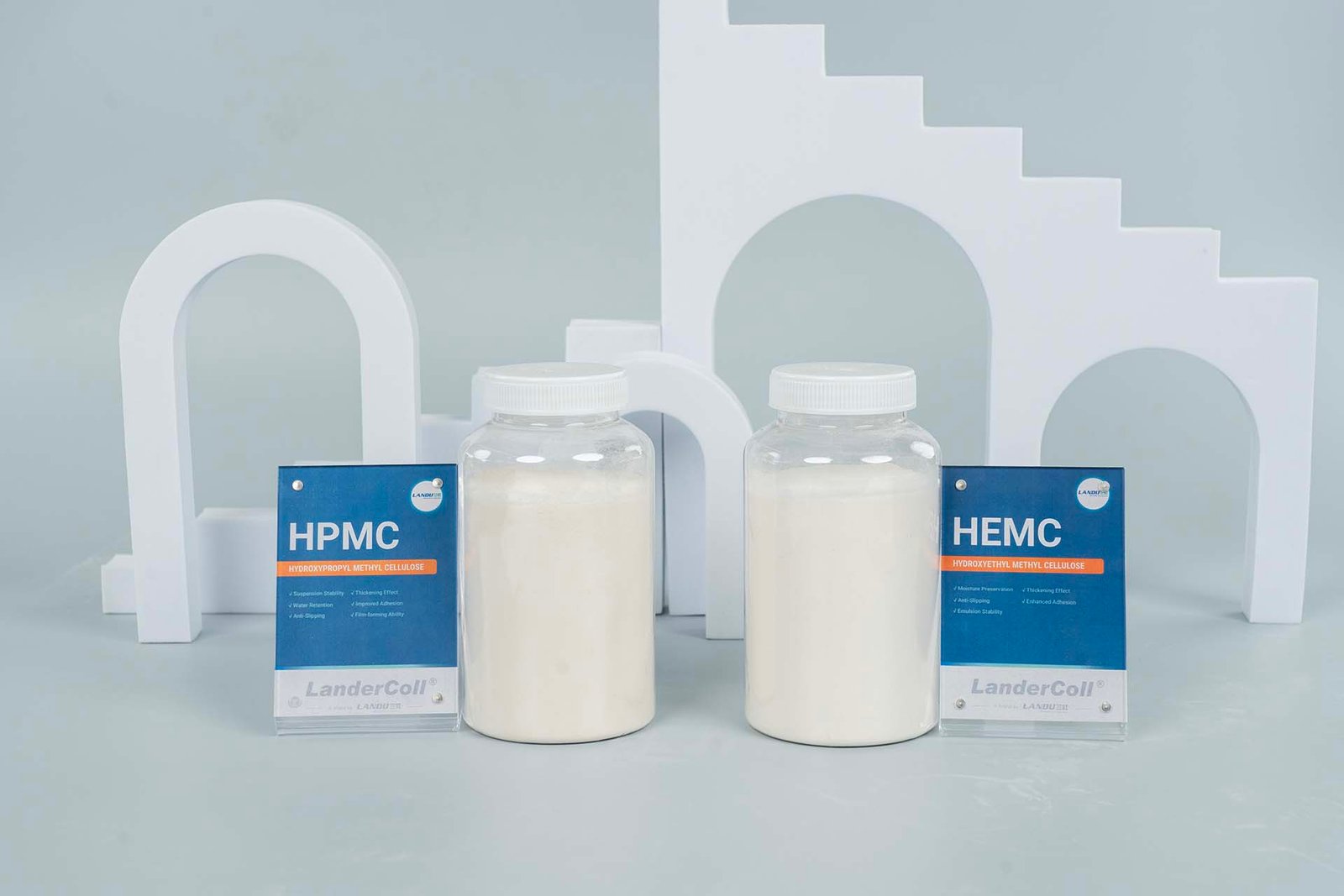
5 HPMC Manufacturers in China: The 2026 B2B Supplier & Technical Buying Guide
Compare five Chinese hydroxypropyl methylcellulose manufacturers, understand HPMC technical grades and quality checks, and build a supplier shortlist that stands up to real factory trials.
By LANDU Technical TeamUpdated October 12, 2026For B2B buyers
Supplier comparison, technical specifications and procurement checklists. No unverified “No. 1 factory” claims.
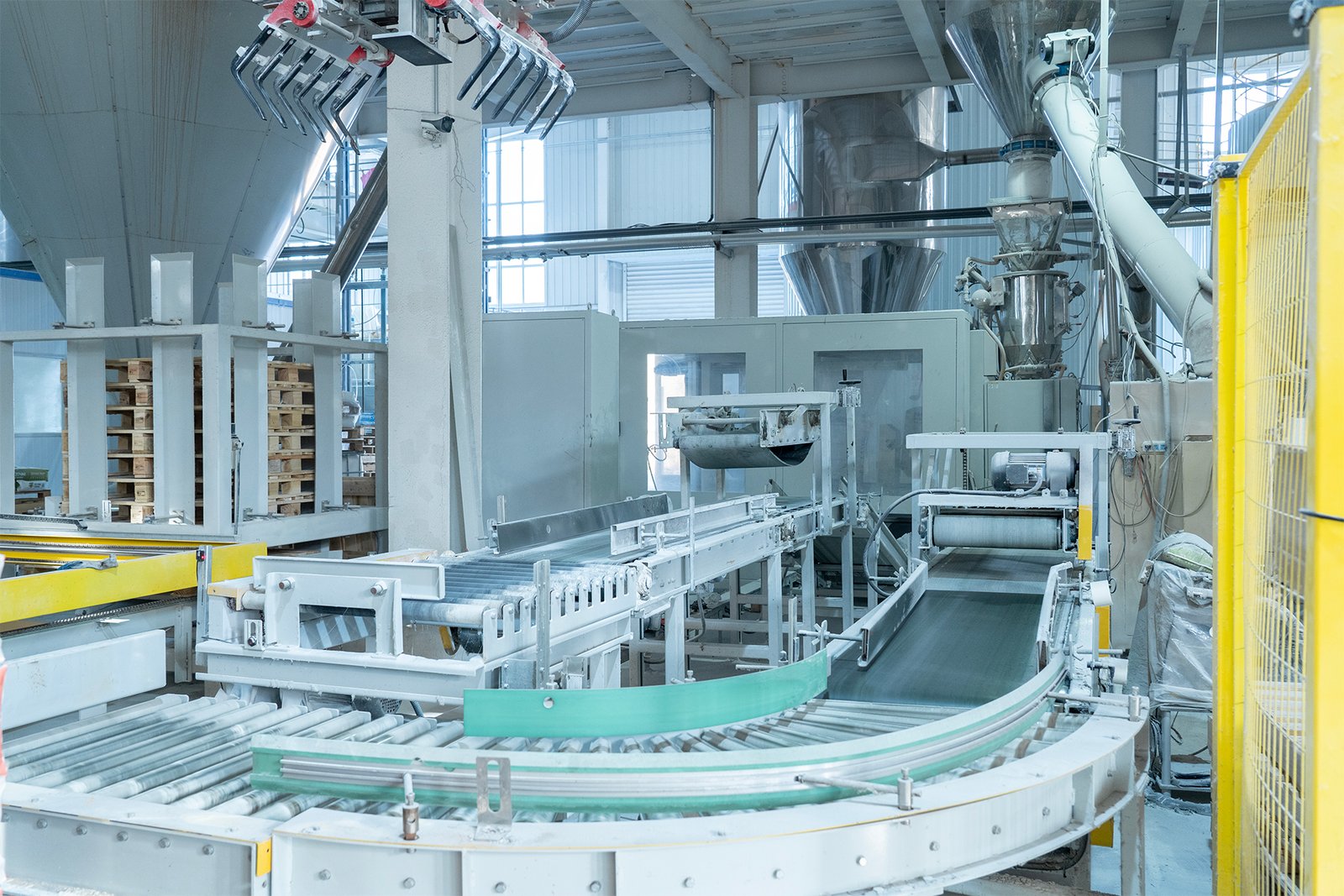
Examples of Chinese producers with publicly identified HPMC activities include Shandong LANDU, Shandong Head, Hebei Double Bulls, Shandong Shengda and Shijiazhuang Henggu Matecel. Their product portfolios and target industries differ. For a reliable purchasing decision, match the HPMC grade to your formulation, compare test methods, review batch-specific COAs and validate samples before evaluating bulk price.
Hydroxypropyl methylcellulose (HPMC) is used in construction, pharmaceuticals, foods, cosmetics and industrial formulations. China offers an extensive supplier ecosystem—but choosing a factory that can deliver repeatable performance is much harder than finding a product listing.
This guide is written for mortar producers, technical buyers, formulation engineers and importers. It retains the important industry, application, logistics and R&D context from LANDU’s earlier article while adding a more rigorous supplier qualification framework.
What this guide helps you decide
- Which manufacturer specializes in the product category you need.
- How to compare NDJ and Brookfield viscosity data without misleading conversions.
- Which incoming quality checks reduce supplier-switching risk.
- Why finished-mortar cost matters more than unit price alone.
- What to send in a sample request or request for quotation.
Disclosure: LANDU is one of the manufacturers discussed. This is a documented shortlist, not an independently audited ranking by size, quality, customer satisfaction or market share.
Understanding the HPMC Manufacturing Industry in China
What is hydroxypropyl methylcellulose?
HPMC (CAS 9004-65-3), also known as hypromellose, is a nonionic, water-soluble cellulose ether made by chemically modifying cellulose. Methoxy and hydroxypropoxy substituents, polymer characteristics and manufacturing conditions influence its solution viscosity, hydration, thermal gelation and functional performance.
In construction materials, HPMC is primarily valued for water retention and rheology modification. In pharmaceutical formulations, appropriately qualified hypromellose grades can act as tablet binders, film formers or controlled-release matrix materials. Food and personal-care grades have separate specifications and regulatory requirements.
Influences water migration and moisture loss in fresh cementitious and gypsum systems.
Shapes consistency, spreading behavior and sag resistance in compatible formulations.
Relevant to appropriately qualified pharmaceutical and other specialty grades.
Substitution chemistry and hydration behavior matter beyond a viscosity label.
Where are HPMC factories located in China?
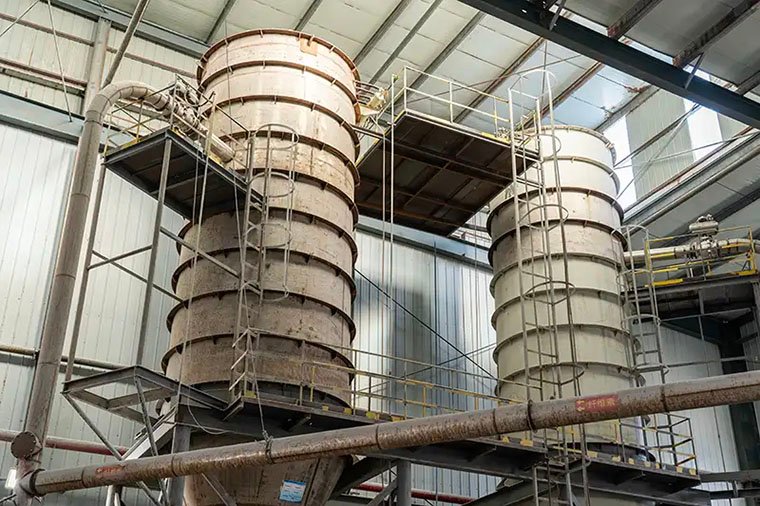
Shandong and Hebei include established cellulose ether manufacturers. Jiangsu and Zhejiang have important chemical manufacturing and export infrastructure, but a company operating in these provinces should not be called an HPMC producer unless its product activity is confirmed.
Proximity to ports such as Qingdao, Shanghai and Ningbo can affect shipping options, yet factory location alone says little about viscosity stability, substitution control or regulatory suitability. Buyers should confirm the actual production facility, not just a sales office or registered address.
How the Chinese supply market works
Suppliers range from direct manufacturers and specialized cellulose ether producers to diversified chemical groups, trading houses and regional distributors. A local distributor may offer small lots or fast domestic delivery; a direct factory relationship may be preferable for recurring volumes, traceability or joint application testing. Neither model eliminates the need for qualification.
5 HPMC Manufacturers in China Worth Evaluating
The five profiles below use identifiable company and product sources. They are not presented in market-share order. Photos of LANDU facilities appear only in the LANDU and general technical sections; they are not depictions of competing factories.
Shandong LANDU New Material Co., Ltd.
China · LANDERCOLL® cellulose ethers · Construction-additive focus
LANDU’s HPMC factory page describes construction-grade hydroxypropyl methylcellulose manufactured under the LANDERCOLL® brand, with related HEMC/MHEC, HEC and redispersible polymer products. Its application catalogue targets tile adhesives, wall putty, cement renders, EIFS/ETICS and dry-mix systems.
LANDU publishes multiple viscosity-grade ranges and describes application-laboratory support and process monitoring. That is useful for procurement teams evaluating an alternative grade, but product acceptance should still depend on the latest signed TDS, lot-specific COA and qualification tests.
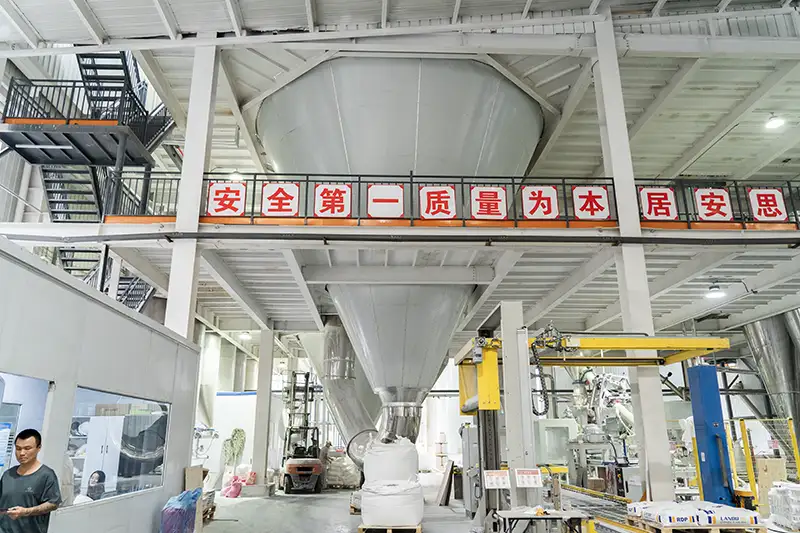

Good fit for: mortar manufacturers, construction additive distributors and technical buyers evaluating HPMC along with other dry-mix additives.
Ask to verify: current product grade, approved TDS, lot-to-lot variation, manufacturing site, sample availability, capacity for your grade and contractual shipping terms. Different LANDU web pages contain different aggregate capacity and delivery figures, so these should be confirmed directly rather than treated as audited facts.
Shandong Head Group Co., Ltd.
Shandong, China · Cellulose ether and downstream product divisions
Shandong Head’s official site identifies HPMC, HEMC, HEC and ethyl cellulose in its nonionic cellulose ether portfolio, along with downstream HPMC capsule activities. Its broader positioning may make it relevant to buyers evaluating multiple application categories and specialty grades.
What to compare: the exact HPMC grade and business division, relevant regulatory documentation, factory producing that grade, viscosity method and current manufacturing availability. Total cellulose ether production claims do not establish how much of a specific HPMC grade is available for export.
Hebei Double Bulls Cellulose Co., Ltd.
Hebei, China · HPMC, HEMC/MHEC, HEC and RDP
Hebei Double Bulls publicly identifies HPMC and related cellulose ethers for construction and daily-use applications, as well as RDP. Its company profile describes production and quality-control activities.
What to compare: construction application performance, HPMC substitution and viscosity methods, comparable COAs, available production lots and actual delivery commitment. Supplier-reported annual output and certification claims require current supporting documentation.
Shandong Shengda New Material Co., Ltd.
Shandong, China · HPMC, HEMC and HEC product portfolio
Shandong Shengda’s official company information identifies cellulose ether research, manufacturing and supply, including HPMC, HEMC and HEC. It describes production and technical capabilities for a range of industrial uses.
What to compare: the current grade catalogue, a recent TDS and COA set, application support for the target formulation, qualification samples, factory identity and commercial shipping terms.
Shijiazhuang Henggu Matecel Cellulose Co., Ltd.
Hebei, China · Matecel® cellulose ether products
Henggu Matecel’s official website identifies the company as a producer of HPMC and related construction additives. Its published applications emphasize building materials and dry-mix mortar systems.
What to compare: offered grade specifications, raw material consistency, dispersion behavior, water retention and application support, together with documentation and recurring export terms.
HPMC Manufacturer Comparison: Match the Supplier to the Requirement
| Company | Publicly stated product focus | Possible buyer fit | Evidence to request |
|---|---|---|---|
| LANDU | HPMC, HEMC, HEC, RDP and construction additives | Dry-mix mortar formulation and multi-additive buying | TDS, COA, application report, exact manufacturing details |
| Shandong Head | HPMC and a broader nonionic cellulose ether portfolio | Industrial or specialty-grade supplier review | Product-specific compliance, supply by division |
| Hebei Double Bulls | HPMC, HEMC/MHEC, HEC, RDP | Construction additive purchasing | Batch consistency, current certificates, grade availability |
| Shandong Shengda | HPMC, HEMC, HEC | Construction and industrial cellulose ether sourcing | Current TDS, COA, factory and export documents |
| Henggu Matecel | HPMC and related construction additives | Mortar-grade HPMC supplier comparison | Viscosity method, application tests, lead time |
These are descriptions of published product activities—not performance scores or a verified ranking of output, market share or product quality.
A practical weighted evaluation model
Before requesting large-volume quotations, establish weighted criteria. The following proportions are an illustrative procurement model; adjust them to the application and risk.
| Criterion | Suggested weight | Minimum acceptable evidence |
|---|---|---|
| Application performance | 30% | Comparable finished-formulation tests |
| Batch consistency & QA | 25% | COAs, incoming inspection, traceability |
| Manufacturing & supply reliability | 15% | Verified site, capacity and schedule |
| Technical responsiveness | 15% | Evaluation guidance and issue resolution |
| Total commercial cost | 15% | Comparable landed-cost terms and dosage |
If no supplier passes the agreed quality and application requirements, price should not override a failed qualification.
HPMC Technical Specifications Buyers Should Actually Compare
HPMC manufacturers often describe products using a nominal viscosity value. That figure is useful for preliminary screening but cannot predict all application behavior. Test concentration, temperature, instrument, spindle, speed and hydration procedure all affect measured viscosity.
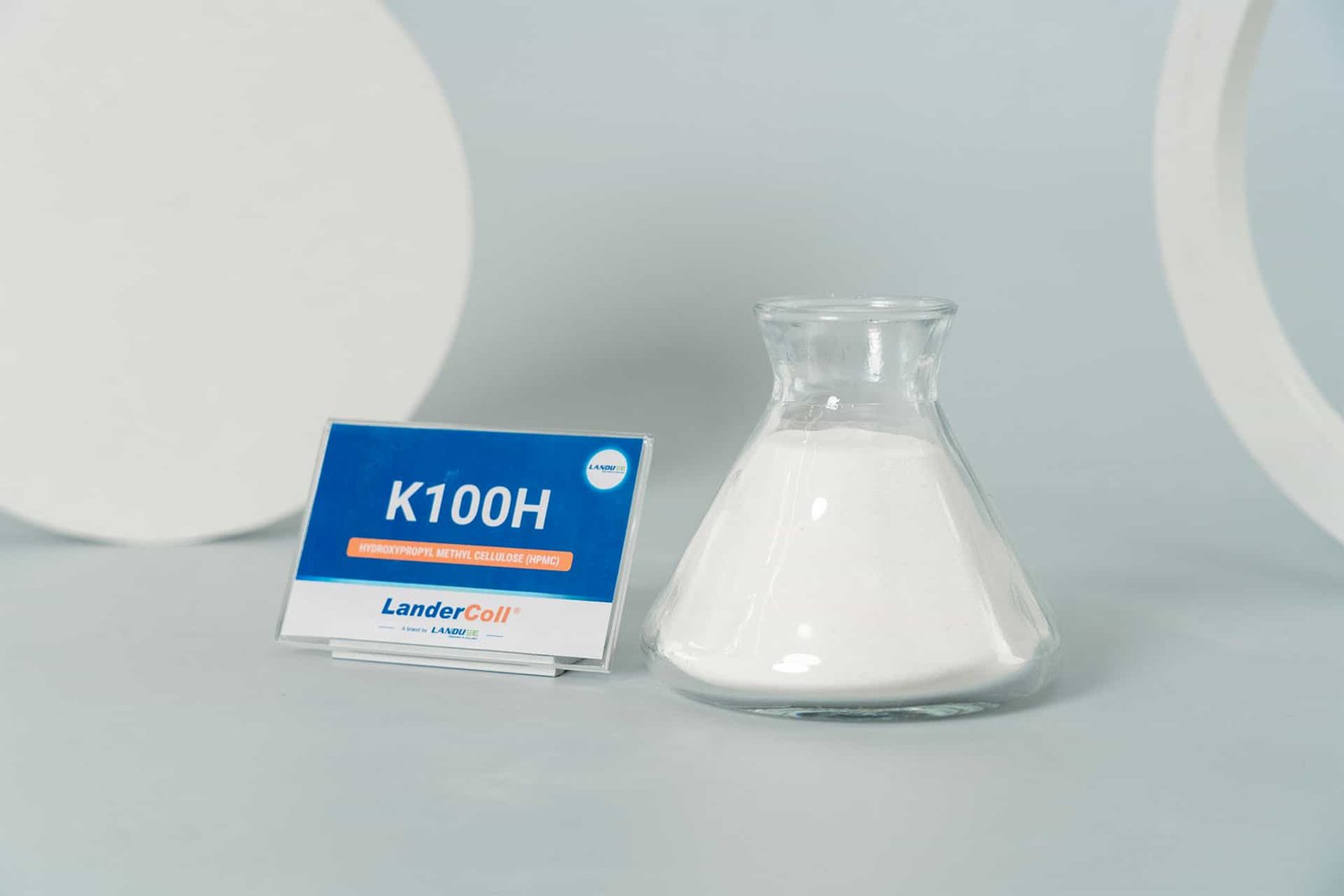
Never compare viscosity labels in isolation
HPMC grades reported by NDJ and Brookfield RV methods can yield different readings even when based on the same product. There is no safe universal conversion ratio between the methods.
Request complete test conditions and use an application trial to determine whether a proposed replacement is actually equivalent.
Example: published LANDERCOLL® grade ranges
| Grade | NDJ viscosity, 2% | Brookfield RV viscosity, 2% | Published selection emphasis |
|---|---|---|---|
| K100 | 85,000–110,000 mPa·s | 45,000–60,000 mPa·s | Open time and workability |
| K100H | 85,000–110,000 mPa·s | 45,000–60,000 mPa·s | Water retention and slip resistance |
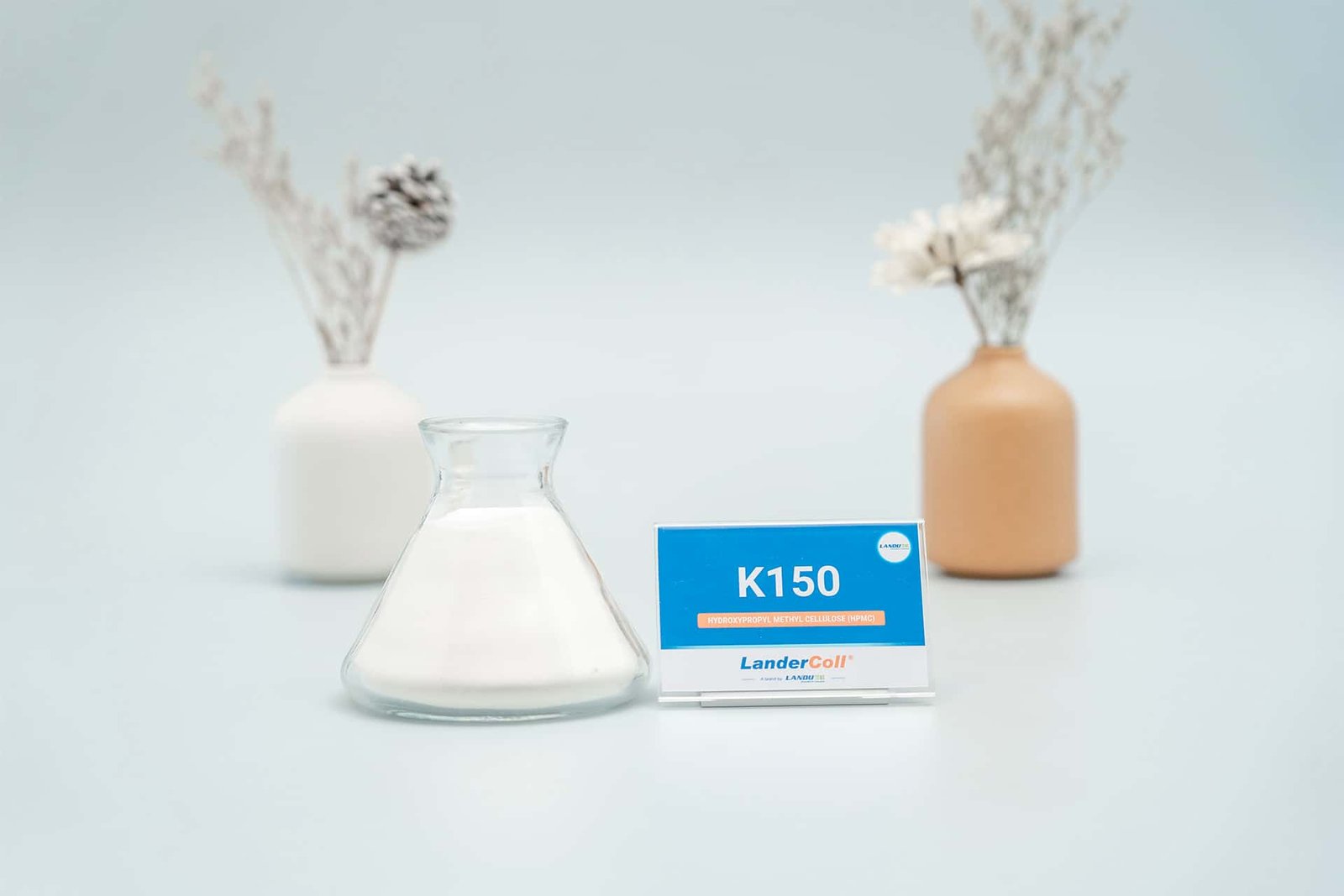
| K150 | 140,000–160,000 mPa·s | 55,000–65,000 mPa·s | High-viscosity construction applications |
LANDU published product values; they are not universal HPMC tolerances. Confirm current TDS and measurement conditions. See manufacturer product data.
Example: LANDERCOLL® K100 technical screening parameters
| Test | LANDU published K100 range | Why a buyer checks it |
|---|---|---|
| Appearance | White or off-white powder | Incoming visual identification |
| Moisture | ≤ 6% | Storage and effective powder mass |
| Ash | ≤ 5% | Inorganic residue under defined test |
| Methoxy | 19–24% | Substitution characteristics |
| Hydroxypropoxy | 4–12% | Substitution characteristics |
| pH | 6.0–8.0 | Compatibility screening |
| Particle size | 100% passing 80 mesh | Dispersion and handling |
| NDJ viscosity | 85,000–110,000 mPa·s | 2% solution, 20°C; NDJ-1 method |
| Brookfield RV viscosity | 45,000–60,000 mPa·s | 2% solution, 20°C; RV method |
From LANDU’s HPMC for Tile Adhesive K100 specification page. Always qualify against an updated manufacturer-signed document and agreed laboratory procedure.
Two products with nominally similar viscosity can differ in substitution pattern, molecular characteristics, dispersion or application rheology. Do not authorize a grade substitution based only on the number printed on the bag.
Construction vs. pharmaceutical and food grades
Construction-grade HPMC is assessed mainly for material performance. Pharmaceutical hypromellose requires application-appropriate pharmacopeial and regulatory qualification. Food-grade HPMC must satisfy destination-market requirements. These grades are not automatically interchangeable.
For pharmaceutical sourcing, consult the USP–NF Hypromellose monograph for the relevant tests and specifications rather than applying construction-grade criteria.
Choose Your HPMC Manufacturer by the Final Application
A supplier that offers an HPMC product list is not necessarily equipped to recommend the best grade for every formulation. Start with the application, then define required test performance.
Tile adhesive: water retention, open time and slip
In a cement-based tile adhesive, HPMC can affect water retention, consistency, wetting and working behavior. Final adhesive performance depends on cement, aggregates, polymer additions, environment and substrate—not HPMC alone.
For EN 12004-classified adhesives, verify finished-product performance using the applicable EN 12004-1 requirements and EN 12004-2 test methods. Never treat an HPMC ingredient as automatically making a formulation C1 or C2 compliant.


Wall putty and skim coat: smoothness and handling
Wall putty requires controlled workability, sufficient water retention, cohesive spreading and a suitable finish. Too much thickening may create drag, while a poorly matched grade can contribute to inconsistent application behavior.
Evaluate sanding, surface quality, sag and cracking within the complete putty formulation.
Cement render, gypsum plaster and EIFS/ETICS
Hand-applied and machine-applied mortars require different rheological balances. Pumped render, insulation basecoat and gypsum plaster should each be assessed for water retention, application consistency and suitable setting or finishing behavior. Review HPMC for EIFS/ETICS.
Self-leveling and coating systems
Self-leveling compounds need flow and segregation resistance without excessive thickening; coatings need compatible viscosity and stability. High nominal HPMC viscosity is not always the preferred starting point. See self-leveling HPMC application guidance.
Working on a tile adhesive or putty formulation?
Send your current cellulose ether grade, viscosity method, performance target and estimated purchasing volume. Ask LANDU to recommend samples for a controlled side-by-side test.
How to Audit an HPMC Factory Before You Buy
Quality documentation is essential, but a single passing COA does not prove stable long-term performance. A professional audit should verify the supplier’s legal identity, production site, quality process, grade-specific ability and records.
Factory identity
Confirm legal entity, actual production location and whether the sales company is the manufacturer or distributor.
Product evidence
Check TDS, COA, SDS and relevant quality or regulatory documentation for the specific grade and site.
Batch control
Review several consecutive lots, measurement methods, acceptance ranges and change-control procedures.
Application results
Test representative samples in the final formulation under controlled conditions.
Supply resilience
Confirm available grade-specific capacity, lead times, inventory and contingency plans.
Commercial terms
Agree on Incoterms, quotation validity, shipping documents, claims and nonconformance procedures.

Read the COA as a trend, not just pass/fail
Look at viscosity, moisture, ash, substitution details where appropriate and the actual test conditions. Compare production lots for drift as well as compliance.
An ISO 9001 certificate refers to a quality management system within its scope; it does not replace product-specific tests or guarantee a particular mortar outcome.
How to Test HPMC Samples Before Switching Suppliers
Use a staged procedure that separates the effects of a new grade from changes in dosage, substrate or mixing conditions.
- Define the baseline. Record the incumbent HPMC grade, dosage, test method, batch and finished-formulation results.
- Control the test environment. Keep mixing sequence, mixing energy, temperature, water content, curing conditions and substrate consistent.
- Compare at equal dosage first. Test the candidate and reference grade under the same formulation conditions.
- Optimize dosage separately. Only after the initial test, investigate whether a different dosage achieves comparable or better performance.
- Validate finished-product properties. For tile adhesive, consider relevant water retention, open-time, slip and bond test requirements.
- Repeat with another production lot. Ask whether the sample represents a routine commercial batch.
- Run a pilot batch. Check actual production mixing, packaging and end-use performance before volume approval.
Do not release a supplier for routine purchasing until sample data, batch documentation and pilot performance meet written, application-specific criteria.
HPMC Price in China: Calculate Formulation Cost, Not Just $/kg
HPMC quotations reflect grade, order size, raw material and processing costs, packaging, freight and commercial terms. The cheapest product on a quotation sheet may not be the cheapest in a finished mortar.
HPMC ingredient cost per metric tonne of mortar = Dosage (kg/t) × HPMC price (USD/kg)
| Hypothetical comparison | Candidate A | Candidate B |
|---|---|---|
| Unit price | $4.00/kg | $3.70/kg |
| Dosage required to meet target | 2.0 kg/t | 2.5 kg/t |
| HPMC cost / tonne of mortar | $8.00 | $9.25 |
Illustrative arithmetic only—not a current supplier quotation or a measured comparison between commercial grades.
Candidate B has a lower unit price but a higher assumed dosage requirement. In this example, it costs more per tonne of finished mortar. Buyers should also account for logistics, quality-related waste, inventory holding and qualification costs.
What makes HPMC quotes comparable?
- Exact grade and accepted specification
- Same currency, ordered quantity and quotation period
- Packaging and net weight
- Incoterms and named destination
- Production lead time and shipment conditions
- Technical documentation and sample qualification requirements
Production Capacity, Logistics, Compliance and Innovation
Ask for grade-specific availability—not just total factory capacity
Manufacturers may produce multiple cellulose ethers at the same plant. Total published capacity is not equivalent to the annual output available for a particular HPMC grade. Ask the supplier for current production scheduling, minimum economic batch, normal lead time and relevant inventory.
Packaging, storage and export documentation
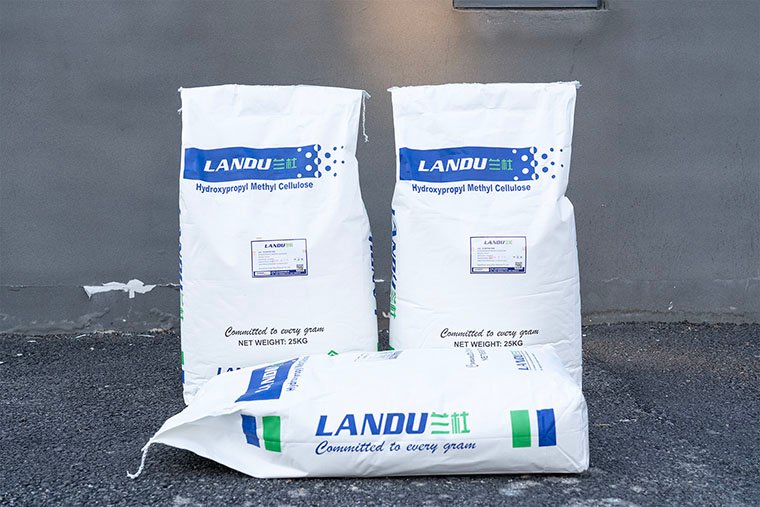
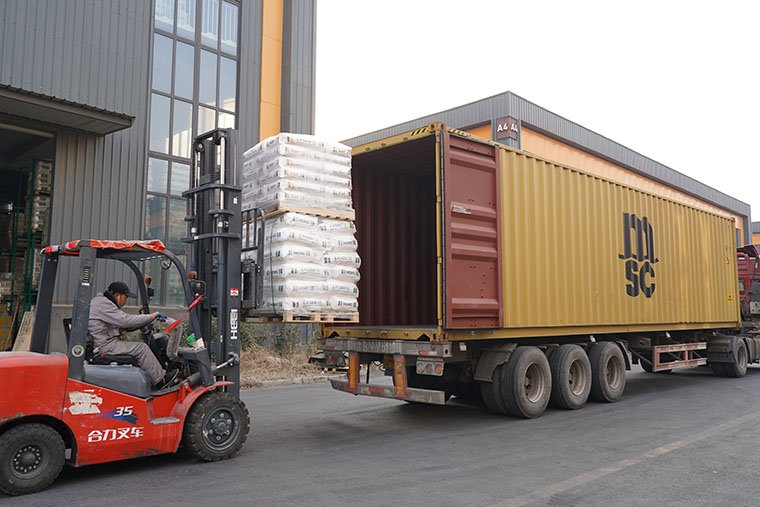
HPMC is normally supplied as dry powder that should be protected from moisture and contamination. Confirm liner specifications, bag weights, batch labeling, storage conditions, pallet configuration and export documents. Clarify customs and shipping requirements for the destination market.
ISO, pharma and food compliance are not interchangeable
ISO 9001 relates to quality management systems. Pharmaceutical and food uses require distinct product and destination-market requirements. A construction-grade HPMC COA does not establish pharmaceutical or food suitability. Request the appropriate product-specific documentation for regulated applications.
R&D and sustainability questions
Useful R&D evidence includes grade-development work, application laboratories, repeatable test methods and technical response to formulation problems. For environmental claims, ask for relevant documented data on energy, waste and management systems. Cellulose-derived feedstock alone does not prove that manufacturing is environmentally superior.
Why LANDU May Be a Relevant HPMC Partner for Construction Manufacturers
LANDU’s published offering combines LANDERCOLL® cellulose ethers with complementary dry-mix construction additives. That positioning is relevant to manufacturers who need to discuss water retention, rheology and polymer modification as part of one formulation system.
The value is practical: you can ask for current grade specifications, compare candidate samples and coordinate a technical discussion with the supplier before approving an alternative.
Compare grades for tile adhesive, putty, render, EIFS/ETICS and related systems.
Request TDS, COA, SDS and a representative batch sample.
Discuss HPMC together with HEMC or RDP when the finished formulation requires it.
Clarify packaging, application requirements, volume and shipping terms early.
A responsible recommendation: do not accept a manufacturer’s claims—including LANDU’s—without appropriate current evidence. Use the same qualification process for every shortlisted supplier.
Send an RFQ that a technical sales engineer can actually use
Include these fields when contacting LANDU. A clear brief helps the technical team suggest relevant grades rather than relying on generic “100,000 viscosity” labels.
HPMC Manufacturers in China: Buyer FAQs
Who manufactures HPMC in China?
Published Chinese manufacturers include Shandong LANDU, Shandong Head, Hebei Double Bulls, Shandong Shengda and Shijiazhuang Henggu Matecel. Their product categories differ; check official current grade information and conduct your own supplier qualification.
What is the difference between a direct HPMC factory and a trading company?
A direct producer operates or controls manufacturing, while a trading company generally purchases and resells material. Trading companies may offer logistics and local inventory advantages. Ask for the actual plant, batch traceability and technical responsibility.
How can I check whether a Chinese HPMC supplier is reliable?
Verify the manufacturing entity and facility, compare signed TDS and multiple COAs, test samples under controlled conditions, review critical certifications and confirm grade-specific lead time and commercial terms.
Does higher HPMC viscosity mean better quality?
No. Higher viscosity changes thickening characteristics under specified test conditions. Quality and suitability depend on consistent specifications, substitution behavior, hydration and application results. Higher viscosity may be inappropriate for flow-sensitive formulations.
Can I compare NDJ and Brookfield viscosity values directly?
No. These instruments and test conditions can produce different results. Compare under the same standardized measurement procedure and validate performance in the intended formulation.
Which HPMC grade is best for tile adhesive?
No grade is universally best. A suitable choice depends on cement, filler, polymer package, climate, substrate and target open time, water retention, slip and workability. Ask for grade-specific technical guidance and validate the finished adhesive.
What certificates should an HPMC manufacturer provide?
Request a relevant TDS, COA and SDS, plus current management-system or regulatory documents applicable to the manufacturing site and product. A general ISO certificate does not prove an individual grade meets food or pharmaceutical requirements.
How much does HPMC cost in China?
Unit pricing varies by grade, quantity, raw materials, processing, packaging, market conditions and shipping terms. Ask for a current written quote and compare total formulation costs at the dosage needed to meet performance criteria.
What is a typical HPMC minimum order quantity?
MOQ is supplier- and grade-dependent. LANDU publishes bulk supply terms, but buyers should confirm present sample quantities, trial-order arrangements, minimum order volume and shipping terms directly.
Can construction-grade HPMC be used for pharmaceuticals?
Not without proper qualification. Pharmaceutical hypromellose must meet relevant quality and regulatory requirements. A construction-grade COA or marketing label does not demonstrate pharmaceutical suitability.
How do I reduce batch inconsistency when importing HPMC?
Set critical acceptance ranges, standardize incoming test methods, review multiple production lots, establish a change-control expectation and retain traceable batch samples and records.
How can I request HPMC samples from LANDU?
Visit LANDU’s contact page and provide the application, existing grade, viscosity method, target performance, trial volume and destination. Request current documents and sample terms with the recommendation.
The Best HPMC Manufacturer Is the One That Meets Your Formulation Requirements
China’s HPMC industry offers multiple suppliers and product categories. The strongest procurement decisions are based on comparable documentation, repeatable application testing, quality controls and realistic supply commitments—not promotional superlatives.
Start with a shortlist, request technical data, test the actual grade and compare total costs after qualification. This approach reduces the risk of switching to an unsuitable cellulose ether and helps procurement teams make defensible buying decisions.
Need a construction-grade HPMC comparison sample?
LANDU can discuss the requirements of your tile adhesive, putty or mortar system. Share your technical targets and purchasing plan to request suitable LANDERCOLL® grade information and sampling terms.
References and Methodology
The manufacturer profiles are based on statements published on the respective companies’ official websites. Product descriptions and specifications must be reconfirmed before contracting. The cost calculation and buyer-weighting model are illustrations, not field trials.
- LANDU: HPMC Factory and Construction Grade Product Guidance
- LANDU: LANDERCOLL® HPMC Specifications and Grades
- LANDU: HPMC for Tile Adhesive, K100 Specifications
- Shandong Head: Official Company and Product Information
- Hebei Double Bulls: Official Product Information
- Shandong Shengda: Official Company Profile
- Henggu Matecel: Official Manufacturer Information
- USP–NF: Hypromellose Monograph
- LANDU: How to Read a Cellulose Ether COA
- Google Search Central: Generative AI Optimization Guide
Manufacturer editorial disclosure: The publisher, LANDU, is included in this commercial supplier overview. This article does not imply that other named companies recommend LANDU.
Image disclosure: Factory, laboratory, product and application photos are selected from LANDU’s existing WordPress media library. They depict LANDU-related resources or illustrative applications; no competitor facilities are represented by LANDU imagery.
Update policy: Review company links, grade specifications and supplier claims before publication and at appropriate intervals. Use current documents, not marketing copy alone, to approve HPMC supply.
From sample comparison to stable supply.
Discuss HPMC grades and sourcing requirements with LANDU’s technical team.