
 01 / APPLICATION
Concrete admixtures
PCE for Concrete
Evaluate polycarboxylate superplasticizers for water reduction, workability and cement compatibility in concrete mixes.
Water reductionWorkability retention
Potential additive families
Explore functional additives for concrete, dry-mix mortars, gypsum-based materials, water-based coatings, personal care, cleaning and selected food applications. Start with your end-use system and performance target before comparing material grades.

Select the system your team manufactures, then follow its material needs to relevant technical pages and candidate additive families.
14 application routes available
PCE, mortar and gypsum-based applications where compatibility with the binder system is central.
01 / APPLICATION
Evaluate polycarboxylate superplasticizers for water reduction, workability and cement compatibility in concrete mixes.
 02 / APPLICATION
Navigate additive options for cementitious dry-mix mortars with different water-retention, handling and bonding targets.
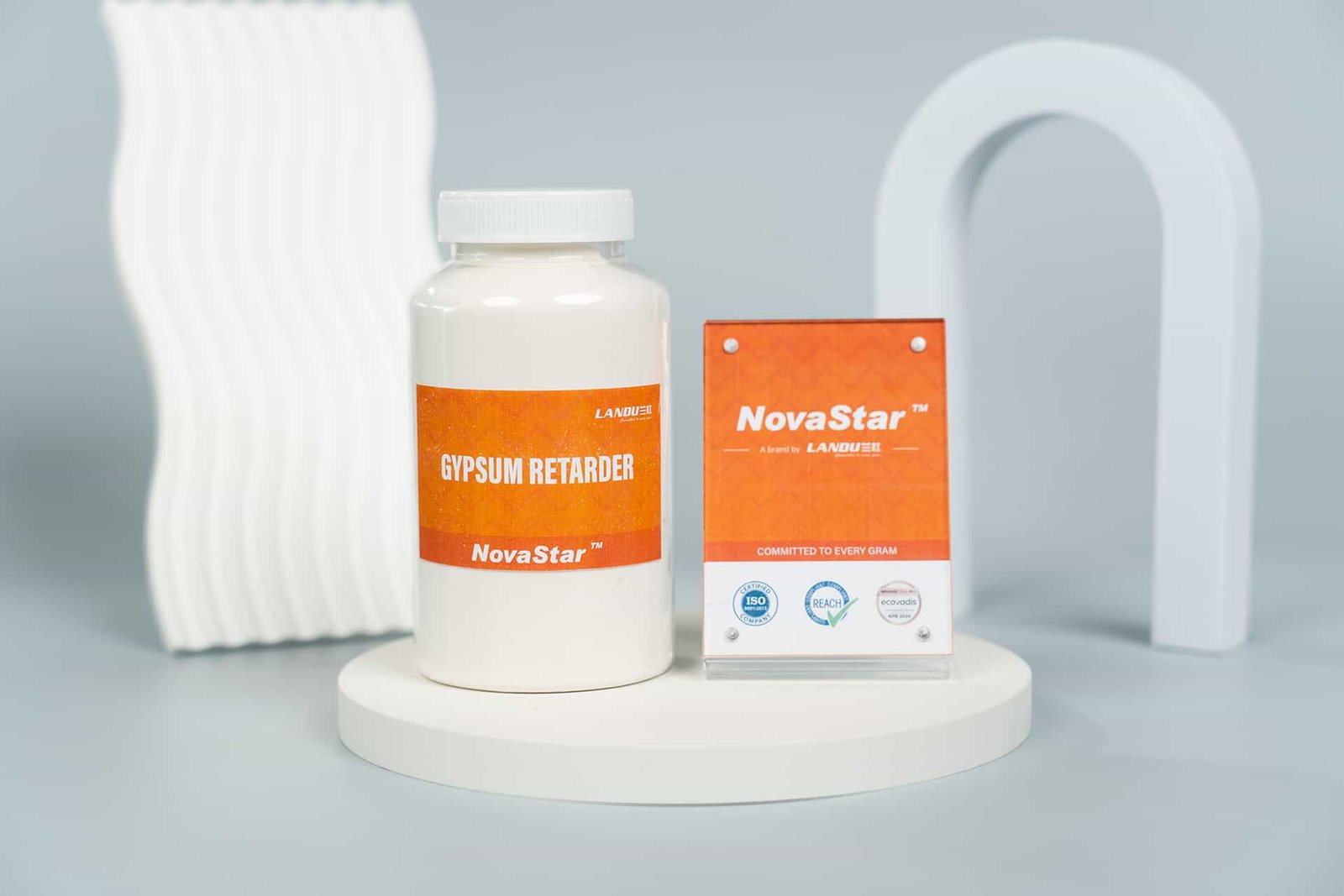 03 / APPLICATION
Examine setting time, working time and flow in gypsum plasters and other gypsum-based mixes.
Seven core construction end uses with different installation and performance priorities.
04 / APPLICATION
Screen water retention, open time, trowel rheology and anti-slip needs in cementitious tile adhesives.
 05 / APPLICATION
Balance spreading, water retention and surface smoothness in thin-layer finishing mortars.
 06 / APPLICATION
Coordinate fluidity, solids suspension and air release for cementitious self-leveling floor mixes.
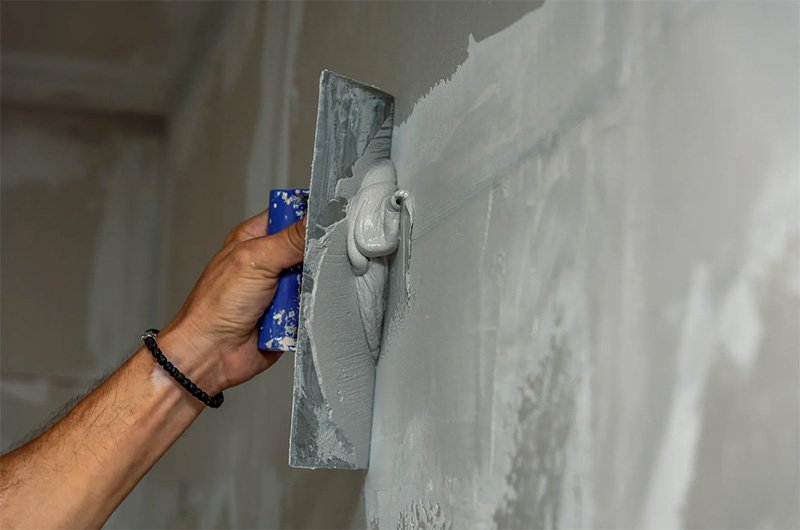 07 / APPLICATION
Explore hydrophobic additives and polymer modification while accounting for pores, cracks and substrate interfaces.
 08 / APPLICATION
Evaluate polymer modification, water retention and application rheology in insulation-system mortar layers.
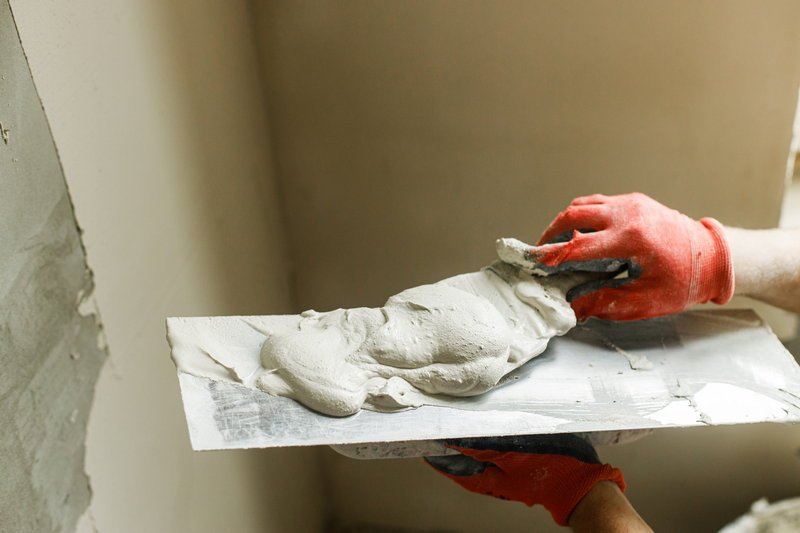 09 / APPLICATION
Match workability, sag control and moisture retention to manual or machine application and layer thickness.
 10 / APPLICATION
Identify additive families for handling, adhesion and deformation requirements in repair and patching mortars.
Distinct non-mortar end uses requiring application-specific grades and documentation.
 11 / APPLICATION
Compare rheology modifiers for in-can stability, application viscosity, leveling and resistance to sag.
 12 / APPLICATION
Explore suitable cellulose ether grades for thickening and texture control, subject to formulation and grade qualification.
 13 / APPLICATION
Consider cellulose-derived viscosity modifiers for liquid cleaning products based on surfactant compatibility and stability.
 14 / APPLICATION
Explore cellulose derivatives for texture or stability where food-grade suitability and local regulatory compliance are verified.
Try a product family such as HPMC, PCE or HEC, or search for a technical issue such as flow, adhesion or setting time.
Links lead to currently published LANDU pages. PCE for Concrete currently leads to the PCE technical page; Gypsum Material Additives leads to the Gypsum Retarder page rather than a dedicated gypsum-category landing page.
Compare a technical requirement with candidate materials before checking grade-specific properties and testing conditions.
| Technical priority | What to assess | Starting material families | Application |
|---|---|---|---|
| Concrete water reduction & workability | Slump/flow, retention, cement compatibility | PCE | PCE for Concrete |
| Dry-mix mortar workability | Water demand, water retention, spread and tack | HPMC, HEMC/MHEC | Dry-Mix Mortar |
| Gypsum setting & working window | Initial/final setting, open processing time | Gypsum Retarder, Gypsum PCE | Gypsum Material Additives |
| Tile adhesive open time & slip | Substrate absorption, anti-slip rheology, bonding | HPMC, HEMC/MHEC, HPS, RDP | Tile Adhesive |
| Wall putty surface finish | Spreading, water retention, surface defects | HPMC, HEMC/MHEC | Wall Putty & Skim Coat |
| Self-leveling flow & stability | Spread, segregation, bubbles and settling | PCE, HPMC, Defoamer | Self-Leveling Compound |
| Facade adhesion & flexibility | Mortar layer, polymer modification and curing | RDP, HPMC | EIFS / ETICS |
| Mortar water resistance | Pore structure, cracking and substrate interfaces | Hydrophobic Powder, RDP | Waterproof Mortar |
| Paints & cleaners rheology | In-pack viscosity, shear behavior and compatibility | HEC | Paints & Coatings |
| Consumer / food formulation fit | Texture, stability and grade-specific requirements | HEC, HPMC | Personal Care |
This table is for preliminary material screening, not a finished formulation or guaranteed outcome. Performance depends on the whole system, additive grade, processing and testing. For food and personal-care uses, only consider grades supported by the required documentation and regulatory assessment.
A meaningful technical inquiry identifies the material system and the challenge to solve before narrowing down product grades.

Identify cementitious or gypsum chemistry, fillers, substrate and installation method.
Specify open time, sag, flow, water retention, adhesion or setting behavior.
Request applicable product documentation and discuss grade-specific technical properties.
Validate candidates using your raw materials, mixing process and test conditions.
Navigate by binder or end-use system, ingredient function and process variables before screening candidates.
Compare functional materials, review test conditions and evaluate grade-specific technical information.
Match customer application needs to a qualified material family before requesting TDS, sample or compliance documents.
Start with the application, binder chemistry, working time, water-retention requirements and application method. Compare grade-specific data for HPMC or HEMC/MHEC and evaluate suitability under the target conditions. HEMC and MHEC refer to the same cellulose ether chemistry.
Redispersible polymer powder may be relevant where polymer modification, adhesion or flexibility is part of the formulation target. Final outcomes depend on the polymer grade, whole mix and curing conditions.
No. Water resistance also depends on the binder, pore structure, cracking, substrate interfaces and application quality. Evaluate functional additives as one component within the overall system.
Share the application type, binder system, target property or problem, relevant processing conditions and any specifications used to judge candidate grades.
No. Grade suitability is application- and market-specific. Verify purity, technical documentation, applicable regulations and customer requirements before considering any grade in personal care or food use.
Tell us your target application, binder or formulation type, technical priorities and evaluation requirements. We can help identify relevant additive families, technical data and sample options.