



LANDERCOLL® HPMC
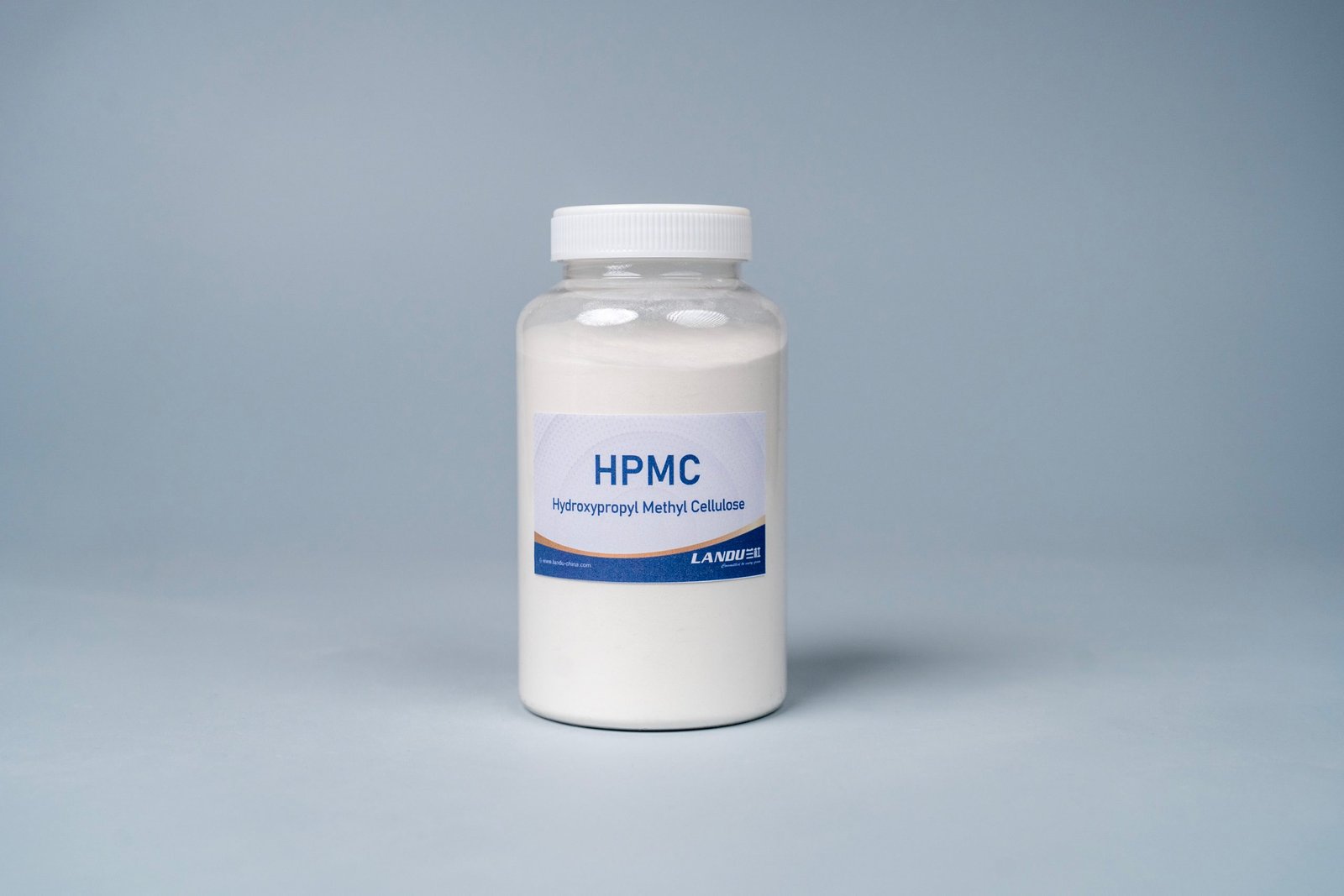
Hydroxypropyl methylcellulose (HPMC) is a non-ionic cellulose ether that improves water retention, workability and adhesion in cement-based and gypsum-based dry-mix products.
- Excellent water retention and longer open time
- Better workability, anti-sag and slip resistance
- Wide viscosity range: 400 – 200,000 mPa·s
- Consistent quality, tested batch by batch in our lab
- TDS, COA and samples available on request
HPMC Performance in Tile Adhesive, Putty and Gypsum Mortar
What LANDERCOLL® HPMC does inside a dry-mix formulation, and which grade series delivers it.
Water retention
Slows water loss from fresh mortar into porous substrates and tiles, so the binder can hydrate properly and the mortar stays usable longer. K200 and K100 combine good water retention with good workability.
Longer open time and working time
H and HT grades extend open time and working time in tile adhesive, giving installers more time to place and adjust tiles.
Workability
Smoother mixing, spreading and troweling for tile adhesive, wall putty and plaster, with a more consistent wet mix from batch to batch.
Sag resistance
HT grades improve sag resistance, which helps on vertical surfaces such as wall tiling and EIFS/ETICS mortar.
Thickening and consistency
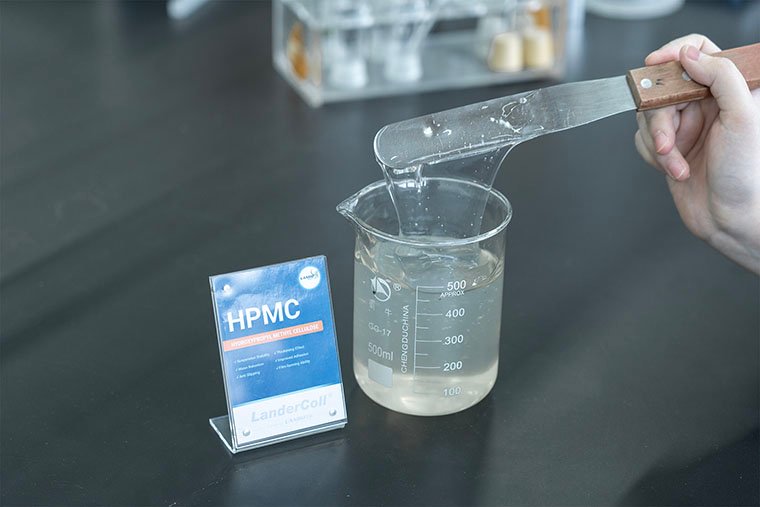
Controls the viscosity of the wet mix. Grades range from low-viscosity K04 for self-leveling and grouting to K200 for high-build adhesives.
Cement and gypsum systems
K-series grades suit cement-based mortars; G grades are supplied for gypsum plaster and gypsum-based putty.
Actual results depend on grade, dosage, binder and the full formulation, so we recommend trial mixes. Compare grades in the grade table, or see HEMC / MHEC as a matching alternative.
HPMC Technical Data (TDS)
Typical properties of LANDERCOLL® HPMC for construction applications. Exact values vary by grade; request the TDS for the grade you need.
| Appearance | White to off-white, free-flowing powder |
|---|---|
| Chemical type | Non-ionic cellulose ether (hydroxypropyl methylcellulose) |
| Methoxyl content (OCH₃) | 19.0 – 30.0 % |
| Hydroxypropoxyl content | 4.0 – 12.0 % |
| Viscosity (2% aqueous solution) | K10HT – K200: 4,000 – 80,000 mPa·s (Brookfield RV); K04: about 400 mPa·s. See the grade table below. |
| pH value (1% solution) | 5.0 – 9.0 |
| Moisture content | ≤ 5.0 % |
| Ash content | ≤ 5.0 % |
| Gel temperature | 60 – 90 °C (grade dependent) |
| Particle size | 100 mesh pass rate ≥ 98.5 % |
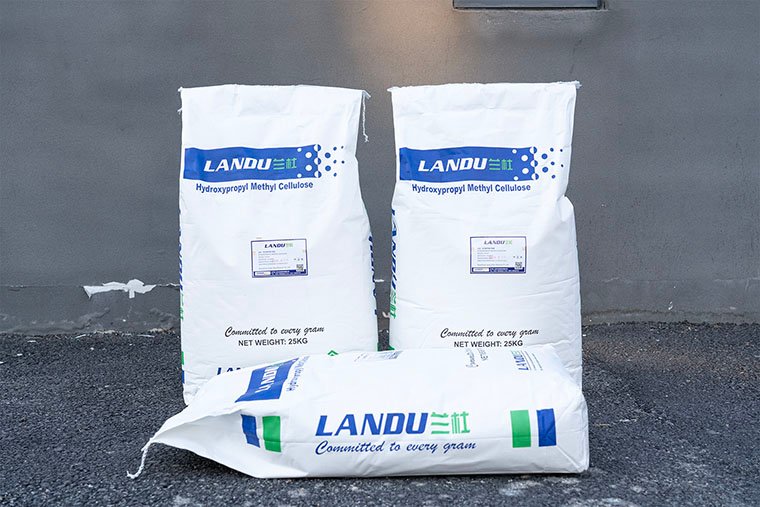
| Packaging | 25 kg kraft paper bag with PE inner liner |
|---|---|
| Shelf life | 24 months in sealed original packaging |
| Storage | Cool, dry, well-ventilated place; keep away from moisture and direct sunlight |
| HS code | 3912.39 |
| Documents | TDS, COA and MSDS available on request |
| Origin | China |
HPMC Grades and Viscosity by Application
Choose a grade by application and viscosity. Not sure which one fits your formulation? Send us your recipe and our technical team will recommend a starting grade.
| HPMC grade | Matching HEMC grade | Viscosity, Brookfield RV (2%, mPa·s) | Recommended application |
|---|---|---|---|
| K200 | EM200 | 65,000 – 80,000 | C0 tile adhesive |
| K150 | EM150 | 55,000 – 65,000 | C0 tile adhesive; gypsum-based putty; EIFS / ETICS mortar |
| K100 | EM100 | 45,000 – 60,000 | C0 tile adhesive; wall putty and waterproof mortar; hand-applied gypsum plaster; EIFS / ETICS mortar |
| K100H | EM100H | 45,000 – 60,000 | C1 tile adhesive |
| K100HT | EM100HT | 45,000 – 60,000 | C1 tile adhesive |
| K75H | EM80H | 35,000 – 45,000 | C1 tile adhesive |
| K40H | EM40H | 20,000 – 24,000 | C2 tile adhesive |
| K20HT | EM20HT | 10,000 – 18,000 | C2 tile adhesive |
| K10HT | EM10HT | 4,000 – 8,000 | C2 tile adhesive |
| K40 | EM40 | 20,000 – 24,000 | Machine-sprayed gypsum plaster |
| K40G | EM40G | 20,000 – 24,000 | Machine-sprayed gypsum plaster |
| K100G | EM100G | 45,000 – 60,000 | Hand-applied gypsum plaster; wall putty |
| K150G | EM150G | 55,000 – 65,000 | Gypsum-based putty |
Viscosity is measured on a 2% aqueous solution with a Brookfield RV viscometer. NDJ values are available on request; the two methods give different numbers. H series: high water retention, longer open time and working time, good workability. HT series: adds improved sag resistance. K200 and K100: good workability and water retention. Each K-series grade has a matching HEMC / MHEC (EM) grade. Last updated: November 2026.
HPMC Grade Selection by Application
| Application | Viscosity level (2% solution) | Representative grades |
|---|---|---|
| Grouting and pressure-grouting materials, cement and gypsum self-leveling, repair mortar | Low (about 400 mPa·s) | K04 |
| Tile adhesive, gypsum plaster, tile grout, masonry mortar | Medium to high | K40, K75, EM40H, EM60HT |
| Interior and exterior wall putty, waterproof mortar | High | K100, K100G, EM100H |
| External thermal insulation mortar (EIFS / ETICS) | Very high | K100, K150, EM100, EM200H |
- ISO 9001:2015 – certified quality management system.
- EcoVadis (Bronze) – top 35% for sustainability (April 2024).
- REACH – compliance information available on request.
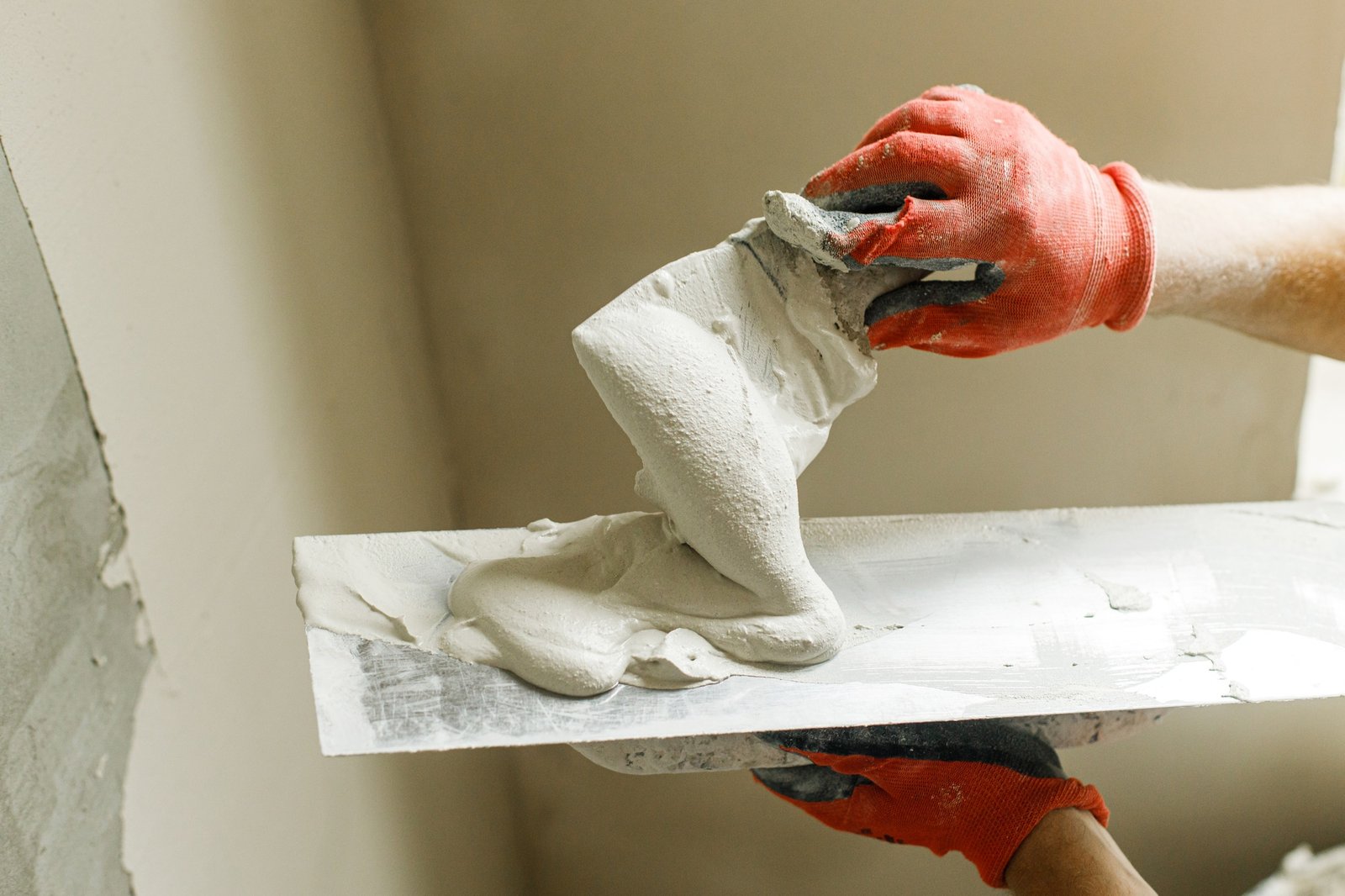
Applications of HPMC in Construction
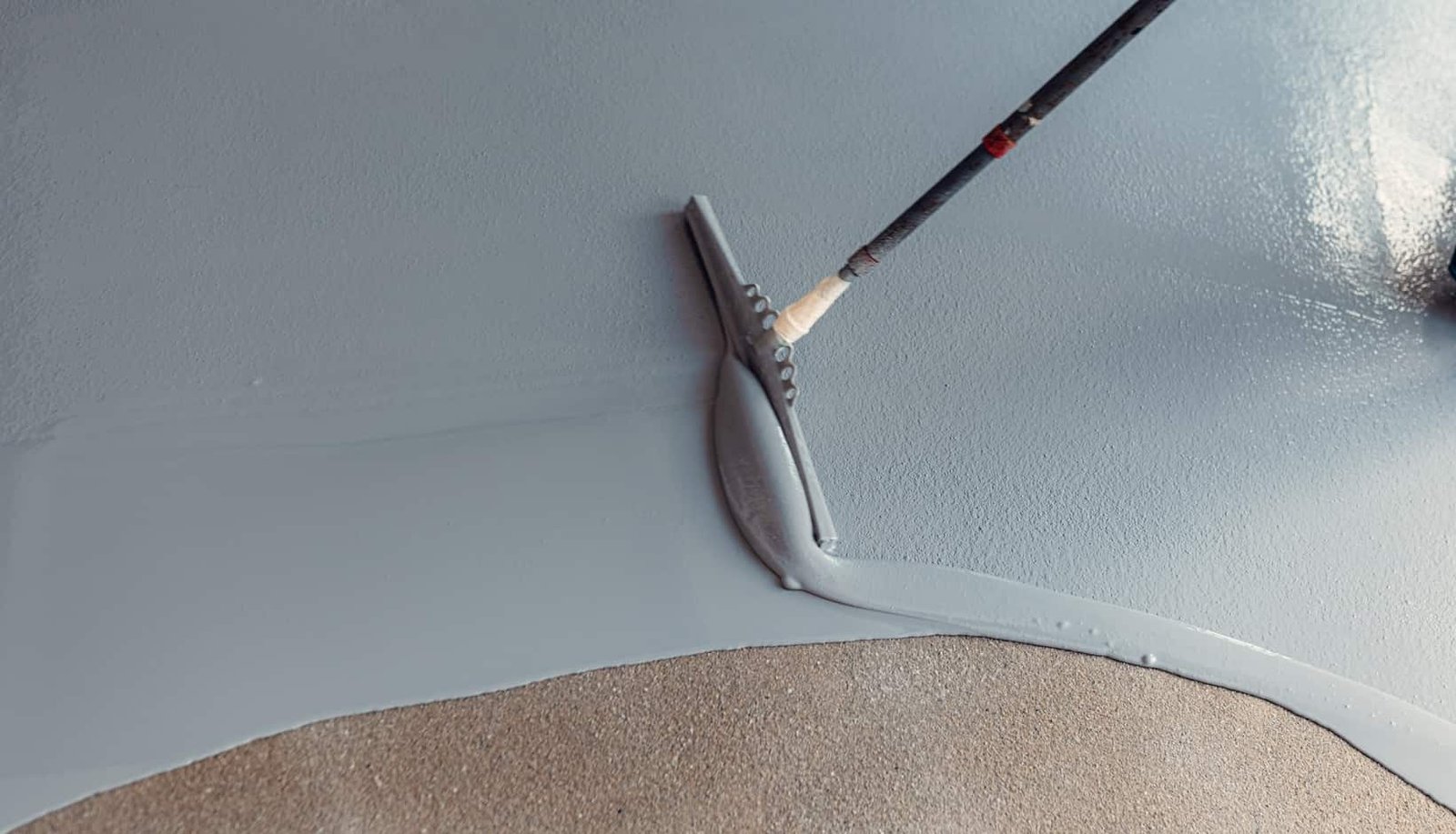
From tile installation to exterior insulation, HPMC helps mortars and putties stay workable, bond well and perform consistently on site.





HPMC FAQs
What is HPMC used for in construction?
HPMC (hydroxypropyl methylcellulose) is a cellulose ether added in small amounts to dry-mix mortars. It improves water retention, workability, open time, anti-sag and adhesion in tile adhesives, wall putty, skim coat, cement render, gypsum plaster, EIFS/ETICS systems and self-leveling compounds.
Which HPMC viscosity should I choose for tile adhesive?
Tile adhesives typically use medium-to-high viscosity grades, commonly in the 40,000 to 200,000 mPa·s range (2% solution). The best grade depends on your formulation, application method and the open time and slip resistance you need. Send us your formulation and our technical team will recommend a starting grade.
What is the difference between HPMC and HEMC/MHEC?
Both are methyl-based cellulose ethers used in dry-mix mortar. HPMC is modified with hydroxypropyl groups, while HEMC/MHEC uses hydroxyethyl groups, which gives somewhat different thickening, sag resistance and temperature behavior. The right choice depends on the system, climate and cost target.
How much HPMC should I add to dry-mix mortar?
Dosage depends on the product type and grade, but cellulose ether is typically used at roughly 0.1% to 0.5% of the dry-mix weight. We recommend trial mixes and can suggest a starting dosage for your mortar, putty or adhesive.
Can I get a TDS, COA and samples before ordering?
Yes. We provide TDS and COA on request, and samples are available for evaluation. Tell us the application and target properties, and we will confirm suitable grades, sample size and shipping arrangements.
What are the packaging, MOQ and lead time for HPMC?
HPMC is normally packed in 25 kg bags with a PE inner liner. MOQ, palletizing and lead time depend on the grade and destination. Send us your grade, application and expected quantity, and we will reply with a quotation and delivery plan.