
Water Retention
Helps control premature water migration to absorbent substrates and water loss during fresh-mortar handling.
Construction-grade HPMC for dry-mix mortar water retention, rheology and workability. Compare 16 published LANDERCOLL® grades, choose an application shortlist and request grade-specific technical data for your formulation trials.
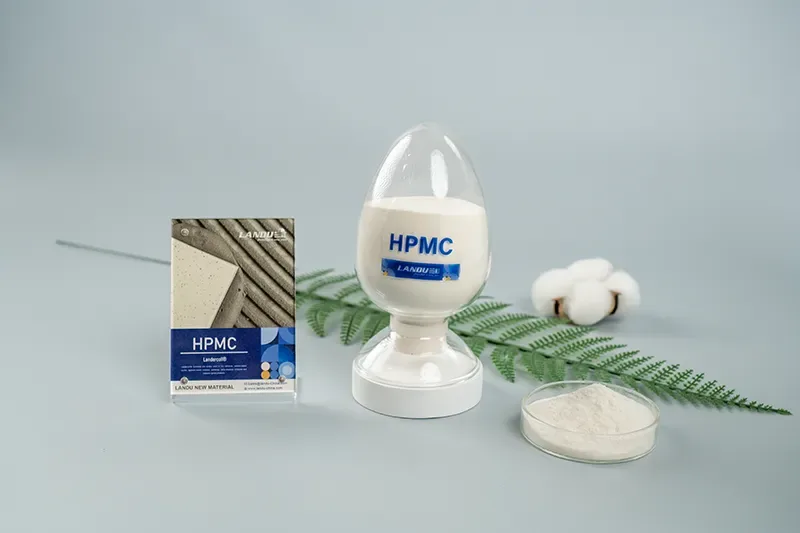
Review the key technical information for construction-grade LANDERCOLL® HPMC. Grade-specific values may differ, so request the current TDS for the exact product.
K100 reference values; grade range shown in the final row
| Appearance | White or off-white powder |
|---|---|
| Moisture Content | ≤6% |
| Ash Content | ≤5% |
| Methoxy Content | 19–24% |
| Hydroxypropoxy Content | 4–12% |
| pH | 6.0–8.0 |
| Particle Size | 100% passing 80 mesh |
| K100 Viscosity | 85,000–110,000 mPa·s (NDJ, 2%, 20°C) / 45,000–60,000 mPa·s (Brookfield RV, 2%, 20°C) |
| Grade Range | 16 published grades: K04 to K200H |
The published LANDERCOLL® range includes 16 HPMC grades. Filter by model or application, then request the grade-specific data sheet.
Showing 16 of 16 grades
| LANDERCOLL® Grade | NDJ, 2% solution (mPa·s) | Brookfield RV, 2% solution (mPa·s) | Typical Application Reference | Technical Data |
|---|---|---|---|---|
| K04 | 300–1,000 | 300–500 | Repair / waterproof mortar | Request TDS |
| K5 | 5,000–10,000 | 3,000–5,000 | Tile grout / repair mortar | Request TDS |
| K10HT | 12,000–25,000 | 8,000–12,000 | Tile adhesive / grout | Request TDS |
| K40 | 35,000–45,000 | 20,000–24,000 | Grout / masonry / repair | Request TDS |
| K40HT | 35,000–45,000 | 20,000–24,000 | Tile adhesive / masonry | Request TDS |
| K40G | 35,000–45,000 | 20,000–24,000 | Gypsum-based mortar | Request TDS |
| K75 | 75,000–80,000 | 35,000–40,000 | Grout / wall putty / EIFS | Request TDS |
| K75H | 75,000–80,000 | 35,000–40,000 | Tile adhesive / wall putty | Request TDS |
| K75G | 75,000–80,000 | 35,000–40,000 | Gypsum mortar / wall putty | Request TDS |
| K100 | 85,000–110,000 | 45,000–60,000 | General / waterproof / repair | View TDS |
| K100H | 85,000–110,000 | 45,000–60,000 | Tile adhesive / putty / EIFS | View TDS |
| K100G | 85,000–110,000 | 45,000–60,000 | Gypsum mortar / wall putty | Request TDS |
| K150 | 140,000–160,000 | 55,000–65,000 | Tile adhesive / masonry / EIFS | View TDS |
| K150G | 140,000–160,000 | 55,000–65,000 | Gypsum mortar / wall putty | Request TDS |
| K200 | 185,000–215,000 | 65,000–80,000 | Tile adhesive / EIFS | View TDS |
| K200H | 185,000–215,000 | 68,000–75,000 | Tile adhesive / waterproof mortar | Request TDS |
Start with the intended construction application and the behavior required in the final formulation. Viscosity is only one screening parameter.
| Application | Initial Grades | Selection Focus |
|---|---|---|
| Tile Adhesive | K75H, K100H, K150 | Water retention, open time, slip resistance |
| Wall Putty & Skim Coat | K75H, K100, K100H | Smooth spreading, water retention, workable consistency |
| Gypsum Plaster | K40G, K100G, K150G | Wet consistency, retention, setting compatibility |
| Cement Render | K40, K100 | Handling, water loss, layer stability |
| EIFS / ETICS | K100H, K150, K200 | Fresh consistency and vertical application |
| Self-Leveling | K04, K5 | Flowability and controlled suspension stability |
Specify open time, water retention, slip, flow, consistency or the main formulation issue.
Use the grade table and current TDS, including complete viscosity measurement conditions.
Compare candidate grades in the same formulation and approve the material on finished-product results.
HPMC modifies the behavior of the aqueous phase in fresh construction mixtures. Results depend on grade, dosage, binder and the complete additive package.
Helps control premature water migration to absorbent substrates and water loss during fresh-mortar handling.
Adjusts wet consistency and influences flow and cohesiveness in compatible binder systems.
Supports spreading and handling behavior; excessive thickening can increase trowel drag.
Water management can contribute to workable open time; actual open time is a finished-adhesive property.
Contributes to fresh-mortar rheology. Slip and sag resistance also depend on yield stress and complementary additives.
A range of viscosity and modified grades supports application-specific screening in cement and gypsum systems.
Choose the material for its role in the final construction system. Each application requires its own binder compatibility and performance testing.

Water retention, open time and workable consistency.
Evaluate open time and slip in the finished adhesive. Cement, RDP and climate also affect performance.
Initial grades: K75H · K100H · K150
Tile Adhesive Additives
Smooth spreading and controlled water loss.
Balance water retention against tool drag, substrate suction and finish.
Initial grades: K75H · K100 · K100H
Wall Putty Additives
Fresh consistency and water retention.
Check gypsum chemistry and the interaction with set-retarding additives.
Initial grades: K40G · K100G · K150G
Related Gypsum Retarder
Workability and vertical application behavior.
Evaluate the entire adhesive or basecoat system, not HPMC as an isolated ingredient.
Initial grades: K100H · K150 · K200
EIFS / ETICS Additives
Water retention and fresh-mortar handling.
Evaluate substrate absorption, applied layer thickness and pumpability where relevant.
Initial grades: K40 · K100
Cement Render Additives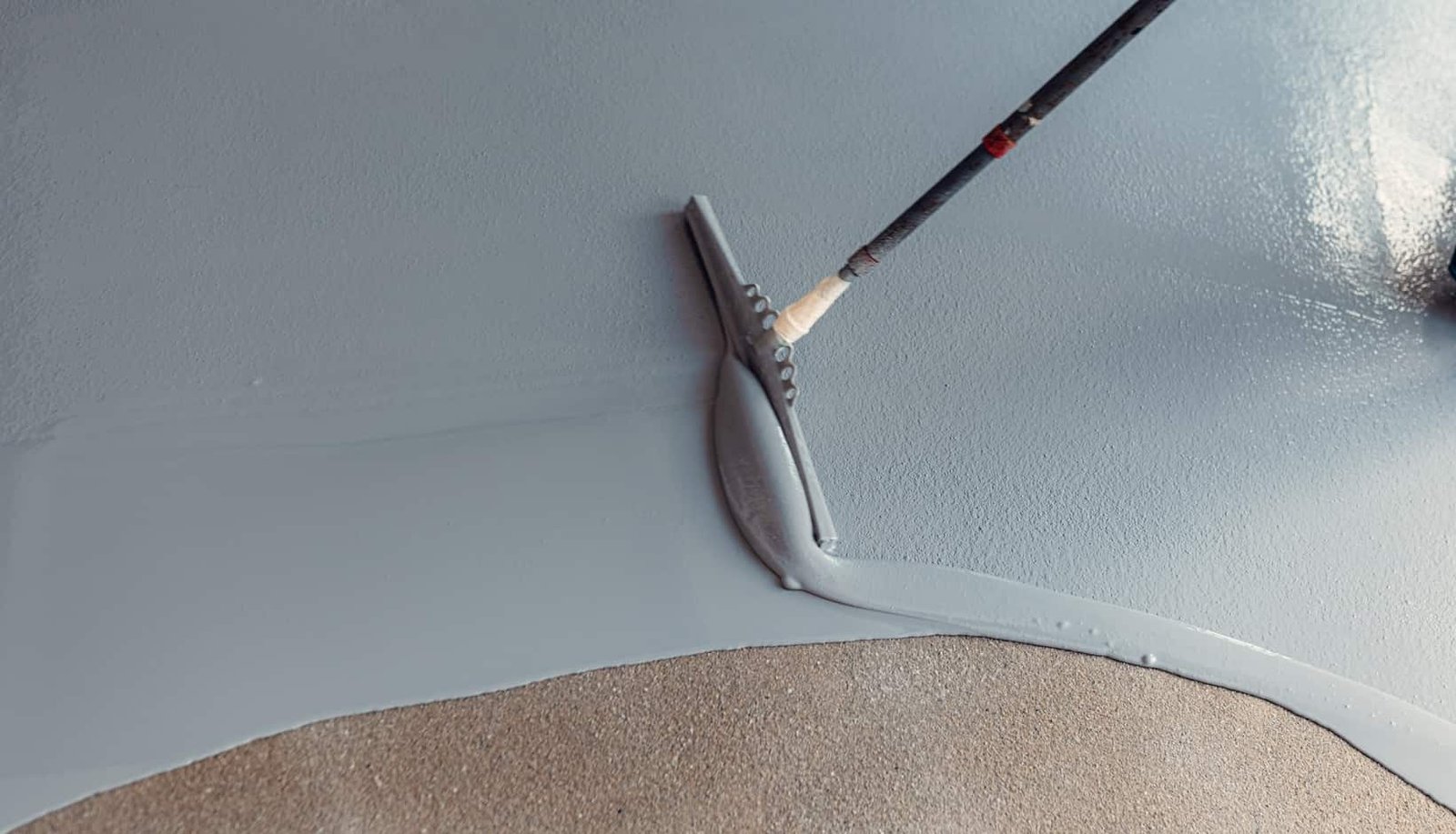
Controlled thickening with adequate flowability.
Check spread, suspension stability, air release and compatibility with PCE.
Initial grades: K04 · K5
Self-Leveling CompoundsRequest current documents for the exact LANDERCOLL® grade before approving a replacement or arranging a bulk purchase.
Grade-specific characteristics, specifications and test information.
Batch-specific results and agreed quality criteria.
Handling, storage and safety information.
Representative material for side-by-side formulation testing, subject to availability.
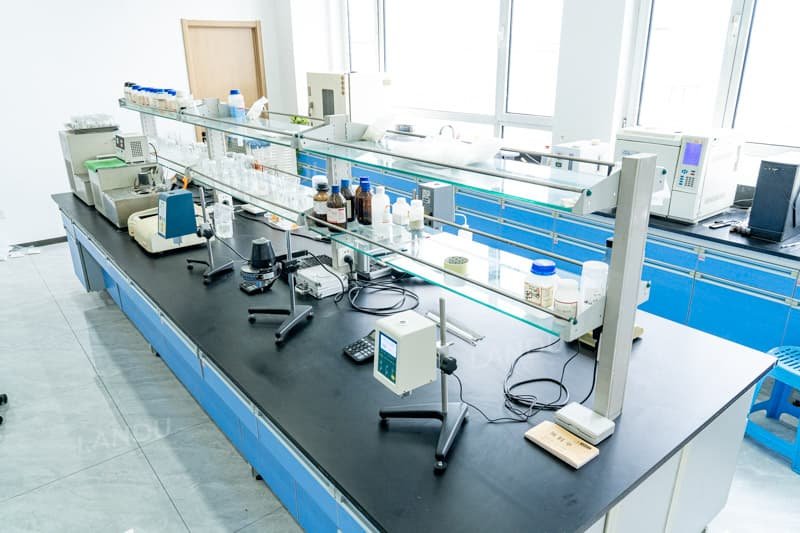
Compare the grade under your own formulation conditions and keep a record of agreed acceptance limits. A single viscosity result or COA does not establish full mortar equivalence.
Packaging: 25 kg bags are a published LANDU option; confirm the current packing specification and shipment terms for your grade and destination.
Send your application, current grade, viscosity test method, performance target and expected order volume. Discuss suitable LANDERCOLL® HPMC grades and available documents with our team.