
Polypropylene Fiber (PP Fiber)
Monofilament and mesh polypropylene fibers for cementitious mortars, concrete and precast products. Explore published fiber specifications, compare reinforcement formats and request samples for plastic-shrinkage control and dispersion trials.

Polypropylene Fibers for Mortar and Concrete Formulations
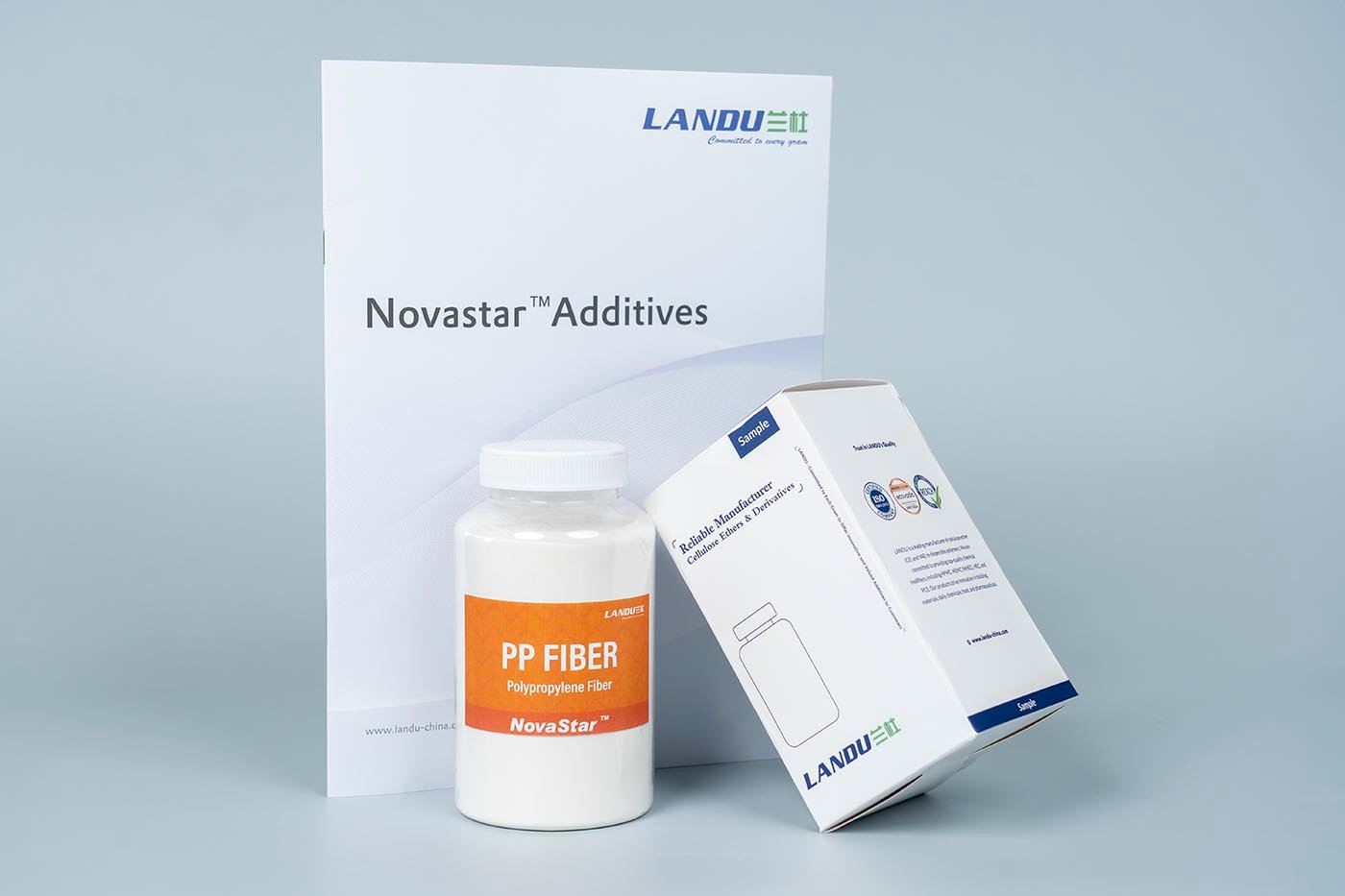
NOVASTAR™ polypropylene (PP) fibers are synthetic polymer fibers incorporated into cementitious mixes to provide distributed micro-reinforcement. When correctly selected and dispersed, they can help limit plastic-shrinkage crack development in fresh concrete and mortar.
LANDU offers monofilament and mesh (fibrillated) fiber formats with different published dimensions and tensile properties. They can be evaluated in precast products, cementitious repairs, renders and other mineral-based materials where crack control, mix workability and fiber distribution must be considered together.
Distributed Fibers for Early-Age Crack-Control Design
Short PP fibers distribute through the fresh mineral matrix. Their value depends on fiber geometry, dispersion, dosage and the actual drying and curing conditions—not a single tensile-strength figure.
Plastic-Shrinkage Control
Well-dispersed microfibers can help restrict the development of early surface cracks while concrete or mortar is still plastic.
Three-Dimensional Network
Fibers distribute through the matrix, providing local bridging action where early microcracks begin to form.
Monofilament & Mesh
Select fiber geometry to suit mixing intensity, aggregate grading, finishing requirements and the type of mineral formulation.
Dry-Mix Integration
Fiber form and mixing sequence can be screened for even distribution in mortar or concrete, without visible fiber clumps.
NOVASTAR™ PP Fiber Technical Reference
The specifications below provide a starting reference for fiber screening. Confirm the selected fiber grade, measurement methods and current TDS before specifying or purchasing.
PP Monofilament Fiber
| Material | Polypropylene |
|---|---|
| Fiber diameter | 19–22 μm / 30–35 μm |
| Fiber length | 3–21 mm |
| Tensile strength | ≥400 MPa / ≥500 MPa |
| Elastic modulus | ≥4,000 MPa |
| Moisture content | ≤2% |
PP Mesh Fiber
| Material | Polypropylene |
|---|---|
| Fiber length | ≥12 mm |
| Tensile strength | ≥400 MPa |
| Elastic modulus | ≥3,500 MPa |
The monofilament diameter and tensile-strength ranges represent options published by LANDU; they should not be interpreted as paired grade specifications without an individual TDS. Test conditions, permitted tolerances and mesh-fiber diameter are not stated on the current page. No product-specific certification or structural residual-strength rating is implied by these values.
Choose Fiber Geometry for the Mix, Not Length Alone
Select the fiber format only after defining your binder, aggregate size, mixing process, target fresh behavior and appearance requirements.
Fine, Discrete Fibers
Evaluate a monofilament format when uniform fiber distribution and early-age surface crack-control performance are important. Shorter lengths may be easier to disperse in fine mortars; final suitability depends on the actual formulation and processing conditions.
Network-Forming Fiber Geometry
Evaluate fibrillated (mesh-type) PP fiber where its opening and distribution during mixing suit the aggregate size and processing method. Check mixing energy and addition rate to avoid clumps, unwanted consistency changes or finishing defects.
PP Fiber Applications in Mineral-Based Materials
Each application requires different fiber distribution and finishing characteristics. The cards below highlight screening priorities rather than guaranteeing a finished construction system's performance.

Concrete Floors & Slabs
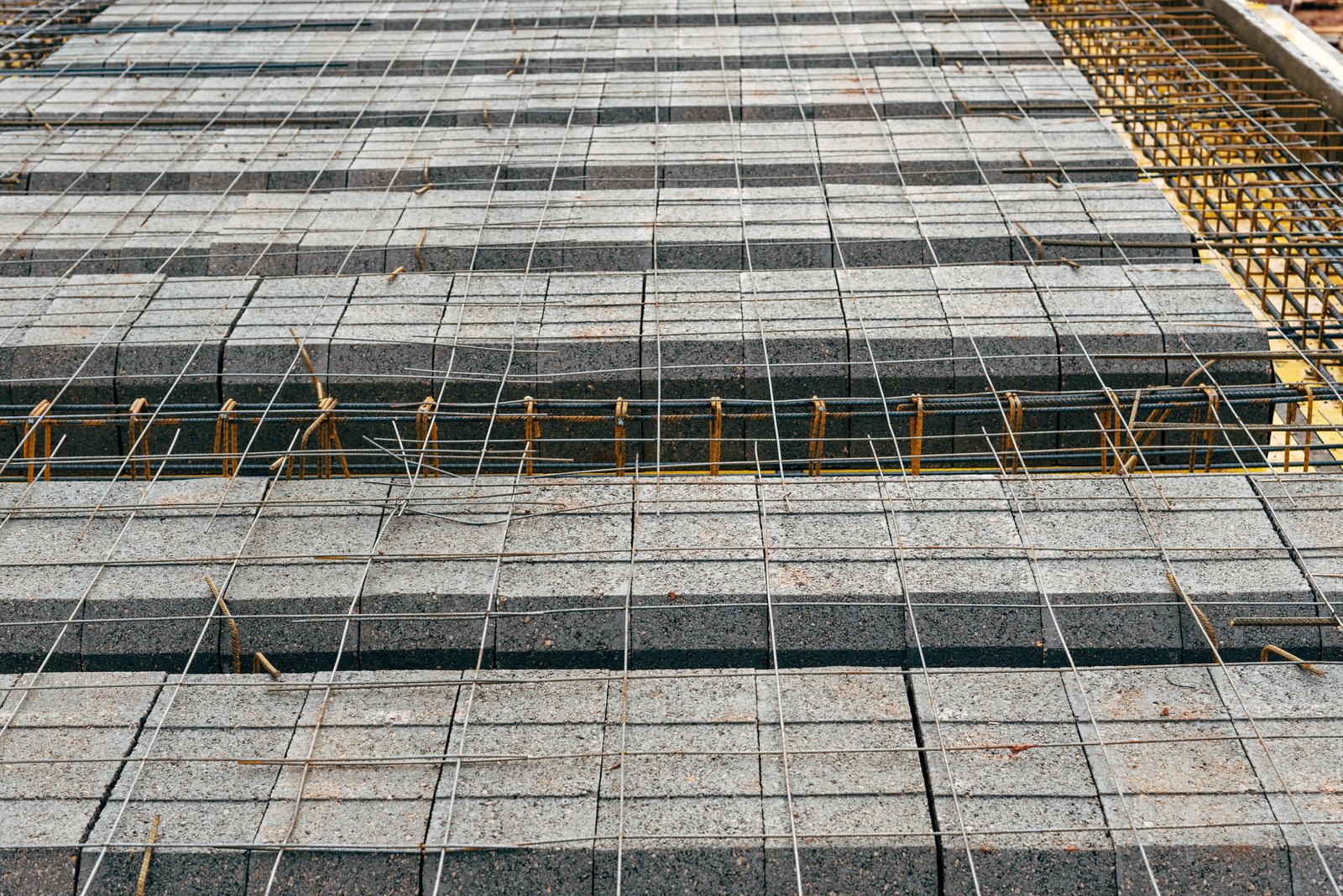
Evaluate dispersed microfibers for reducing the risk of plastic-shrinkage cracks in fresh slab surfaces. Coordinate selection with finishing operations, evaporation control and curing.
Browse Applications ↗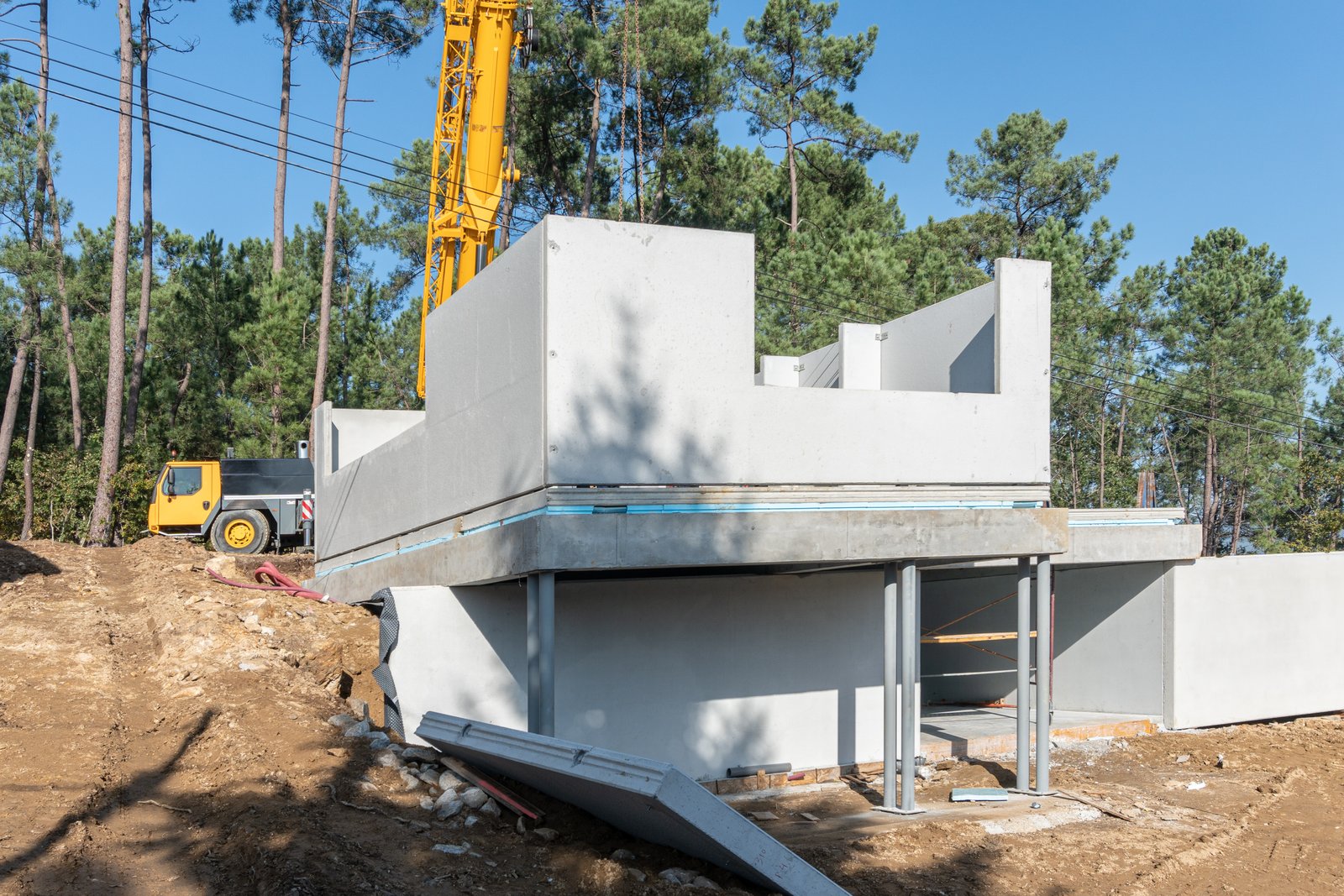
Precast Concrete Components
In blocks, panels and other precast elements, evaluate mixing uniformity, early-age cracking and finished surface quality. Structural performance must be designed and verified separately.
Browse Applications ↗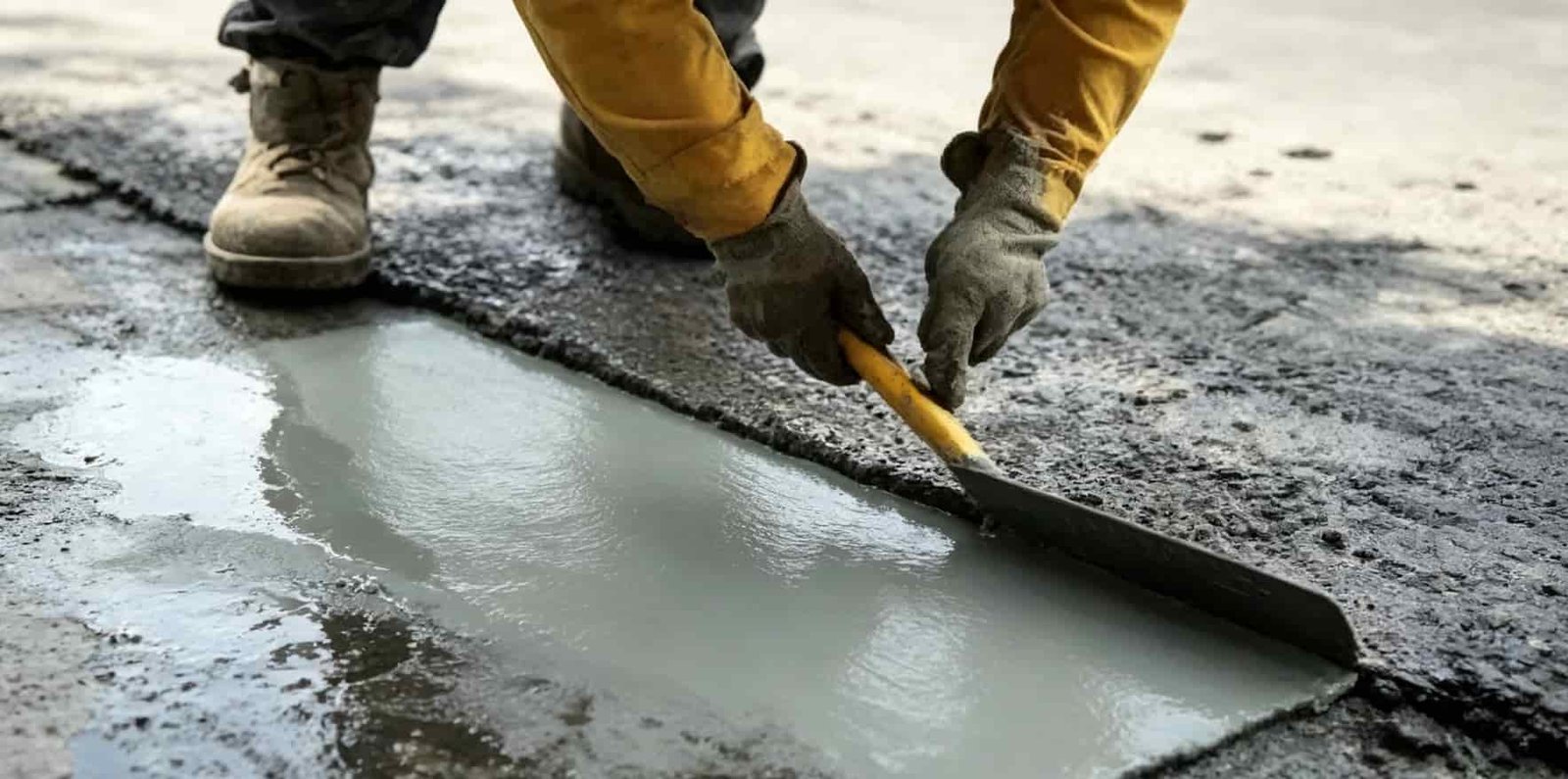
Cementitious Repair Mortar
Consider PP microfiber for crack-control screening in thin or localized repairs. Assess flow, trowel feel, substrate bond and curing alongside the fiber type.
Repair Mortar ↗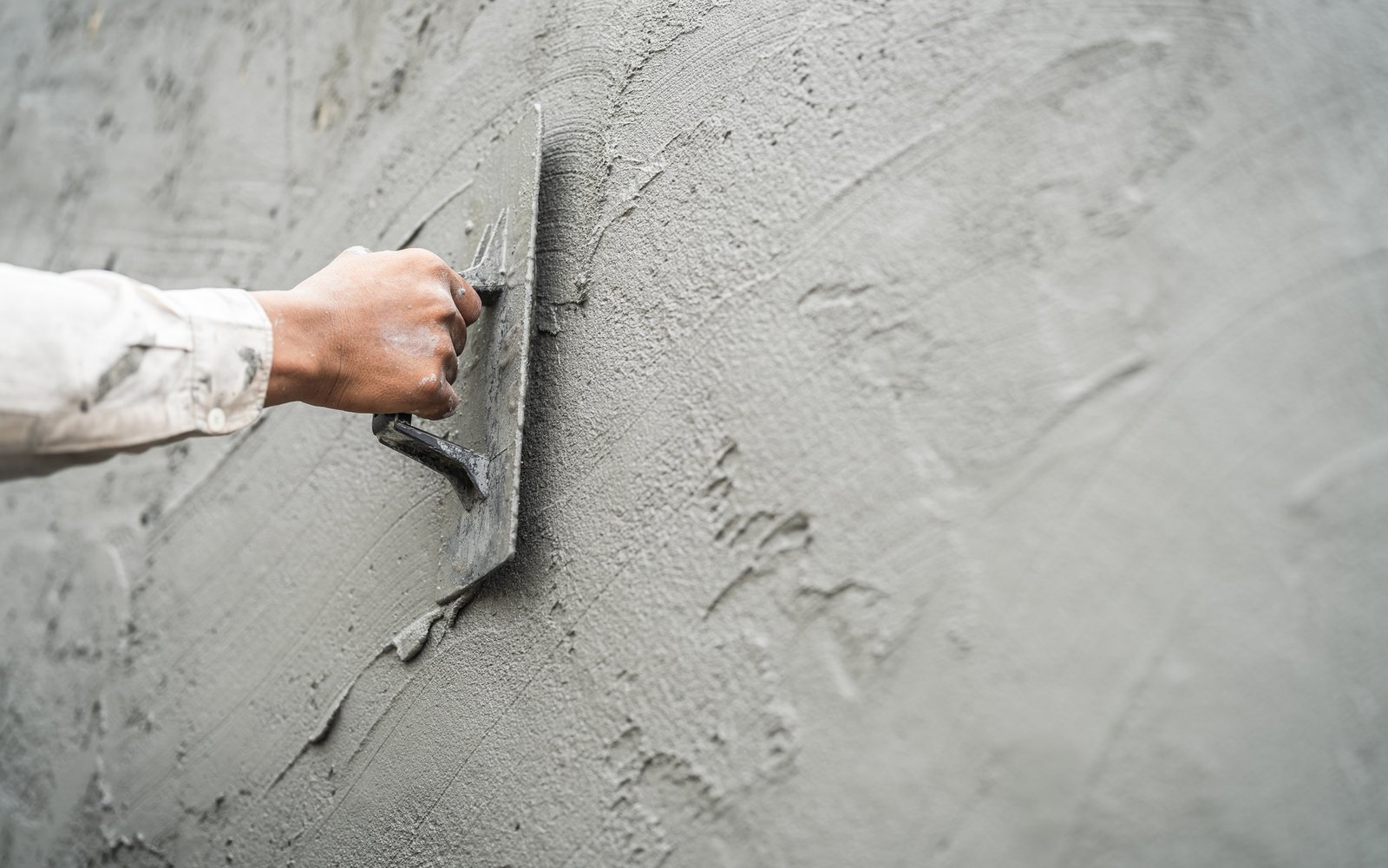
Cement Render & Plaster
Screen fiber length and dosage for distributed reinforcement in cement-based renders. Watch for fiber visibility, drag during application and surface finishing.
Render Additives ↗
Masonry & Dry-Mix Mortar
Select fiber dimensions compatible with the grain size and mixing equipment. Verify dispersion and early cracking tendencies in the specific mortar formulation.
Dry-Mix Mortar ↗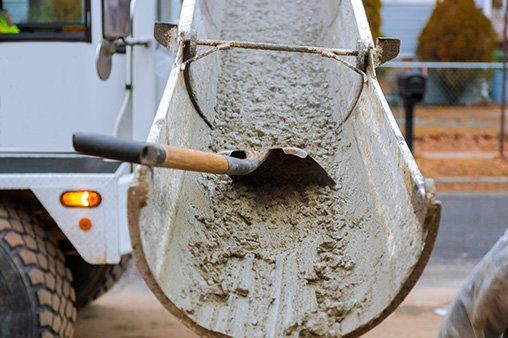
Ready-Mix Concrete
Evaluate PP microfiber as an early-age crack-control additive in ready-mixed concrete. Verify dosing sequence, dispersion during batching and transport, placing consistency and finishing under the intended site conditions.
Browse Applications ↗LANDU supplies polypropylene fibers as functional raw materials. Application images illustrate relevant concrete and mortar end uses.
Microfiber Dispersion and Early-Age Crack Control
Plastic-shrinkage cracking can develop when surface moisture evaporates faster than it is replenished while concrete or mortar is still plastic. Well-dispersed polypropylene microfibers may help limit local crack opening at this early stage; they do not prevent drying-shrinkage, settlement or structural cracking in every mix.
Fibers should be dispersed throughout the mix without visible agglomerates. This depends on the fiber geometry and mixing sequence.
Individual fibers bridge emerging microcracks within fresh cementitious material and may help reduce plastic-shrinkage cracking.
Check surface appearance, workability, curing sensitivity and crack behavior under representative application conditions.
Check Dispersion, Workability and Crack Behavior
A suitable fiber should be evaluated in the customer's complete mix rather than selected from nominal length or tensile strength alone. For concrete, a controlled fiber-containing versus reference-mix comparison of plastic-shrinkage cracking (for example, ASTM C1579, when applicable) can support grade evaluation. Request any available product-specific test results.

From Grade Screening to Procurement
LANDU offers published monofilament and mesh fiber formats for technical review. Before a production order, request the current grade-specific documents and confirm the intended test method, package configuration, batch identification and shipment terms.
Technical PP Fiber
FAQ
Straight answers to common specification, formulation and purchasing questions.
How should monofilament and mesh PP fibers be compared for mortar or concrete?
Compare the exact fiber dimensions, distribution after mixing, workability, finishing appearance and early-age cracking in the same formulation. Monofilament and mesh are different geometries; fiber length alone does not determine the better option.
Can PP microfibers replace steel reinforcement or guarantee crack-free concrete?
No. PP microfibers are typically selected for early-age crack-control functions. They do not replace structural steel reinforcement or proper curing and crack-control design unless a separately engineered and verified structural fiber system is specified.
What should be checked if PP fibers form clumps or reduce flow?
Review the mixing sequence, fiber form, dose, aggregate grading, mixing intensity and other admixtures. Compare the finished mix with a fiber-free control and adjust processing based on observed dispersion and fresh properties.
Which product documents can be requested before approving a PP fiber grade?
Request the latest grade-specific TDS and SDS, together with available batch quality information or CoA. If project specifications require particular test methods or declarations, provide them to LANDU for confirmation.
Are trial samples available, and what details should I provide?
Use the sample request channel and provide the binder type, application, fiber format or target length, mixing method, technical objective and delivery location. Sample availability and shipping arrangements should be confirmed with LANDU.
What packaging and order information should purchasing teams confirm?
The current product page lists 1 kg and 20 kg packing options. Confirm the selected grade, packaging, MOQ, lead time, export terms, labeling and required documents with the sales team before placing an order.
Specify the PP Fiber for Your Next Trial
Share your application, binder, mixing method, required fiber format and target length. Ask for current technical data, a trial sample and supply information matched to your project.