
Silicone Hydrophobic Powder (SHP)
Dry-mix water-repellent additive for cement-based mortars. Explore NOVASTAR™ SHP75 and SHP80, understand capillary water absorption control, and shortlist materials for renders, tile grout, repair and waterproofing mortars.
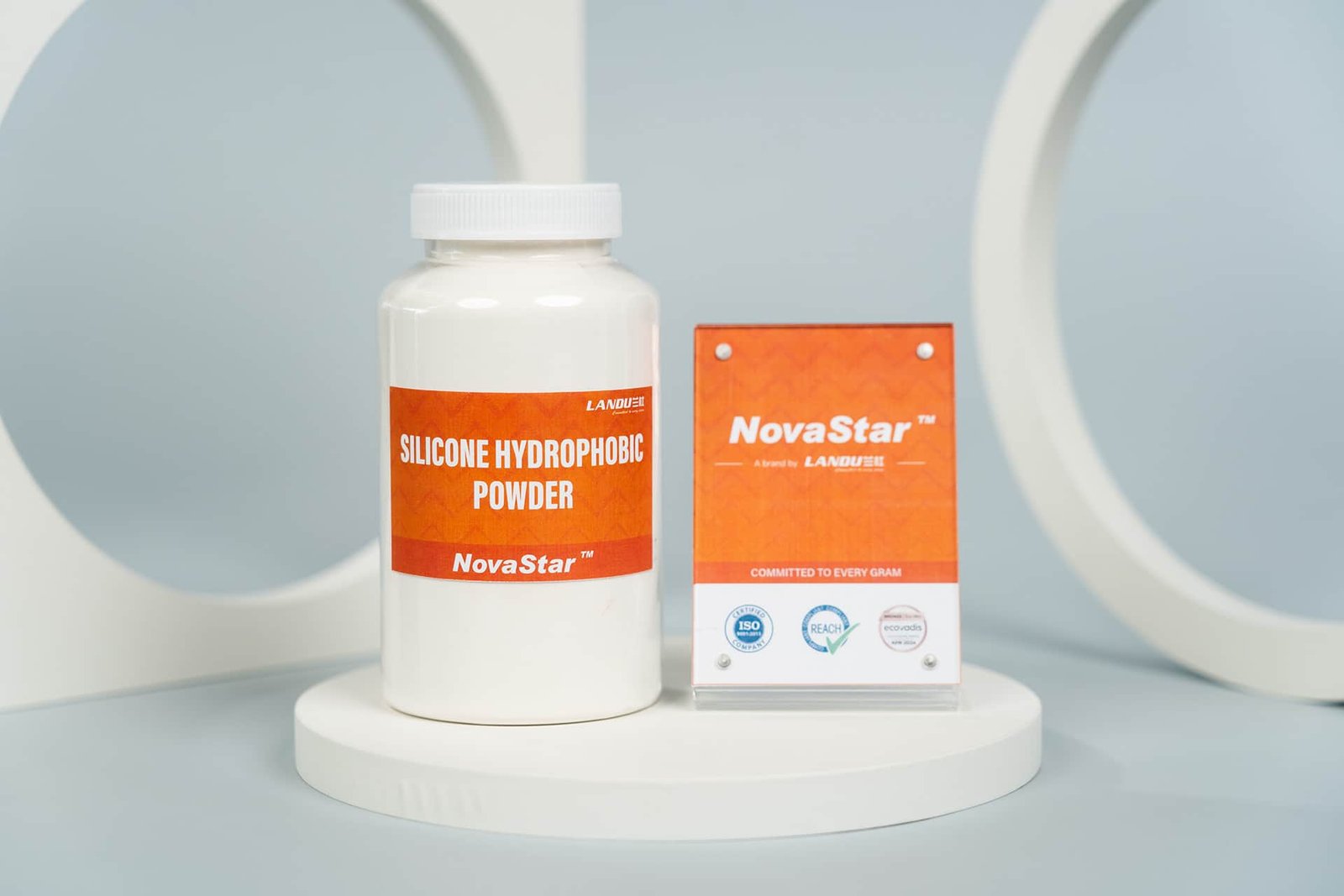
Dry-mix mortar ingredient, not a finished waterproofing system
NOVASTAR™ SHP75 / SHP80 Technical Information
Silicone hydrophobic powder is a functional raw material used to introduce water-repellent properties into appropriately designed mineral dry-mix formulations. The table below reproduces the values currently published by LANDU for its SHP product family.
| Property | Published SHP75 / SHP80 reference | Practical interpretation |
|---|---|---|
| Product grades | SHP75 / SHP80 | Request separate current TDS documents for grade-specific differences. |
| Appearance | White free-flowing powder | Intended for handling and dosing with other dry ingredients. |
| Bulk density | 400–600 g/L | Bulk packaging and dosing information; not the intrinsic density of the active silicone component. |
| Moisture content | ≤10% | Confirm the approved method and storage limits in the current TDS. |
| pH | 7–9 | Confirm test dispersion and concentration before making cross-supplier comparisons. |
| Published dosage guidance | 0.2–0.5% | Preliminary screening range on the existing LANDU page; confirm the dosage basis and applicable formulation before use. |
Choose the Hydrophobic Powder by Mortar Performance Target
SHP75 and SHP80 are two listed NOVASTAR™ products. Do not select a grade from its name alone: start with the binder, application method, target capillary absorption and required finished-mortar properties, then obtain the current grade TDS.
External Mineral Renders
Prioritize reduced capillary rainwater uptake without sacrificing specified adhesion, curing and water-vapor diffusion performance.
- Substrate and weather exposure
- Capillary absorption coefficient
- Color uniformity and surface finish
Tile Grout & Colored Joint Mortar
Evaluate water beading, absorption, shade uniformity and resistance to unwanted water-driven staining or efflorescence.
- Cement / pigment system
- Water uptake after curing
- Adhesion and abrasion requirements
Repair & Waterproofing Mortars
Assess whether an integral water-repellent additive is useful within the overall mortar design and its required water-exposure conditions.
- Capillary uptake vs water pressure
- Bond and mechanical strength
- Compatibility with RDP and cellulose ether
How Silicone Hydrophobic Powder Works in Cementitious Mortar
Porous cementitious mortars absorb liquid water by capillary action. A suitable silicone-based hydrophobizing additive changes the wetting behavior of mineral pore surfaces as the mortar is mixed and cured, reducing the tendency of liquid water to enter and travel through capillary pathways.
That is different from forming an impermeable waterproofing membrane. A lower capillary absorption rate may help limit moisture-related staining and efflorescence under relevant conditions, but it does not automatically establish hydrostatic water resistance, freeze–thaw classification or a particular vapor-permeability result.
Dispersion quality, binder chemistry, carrier system, curing, porosity, dosage and interactions with other additives determine the final effect. Evaluate the full dry-mix formulation rather than assuming all silicone powders perform equally.
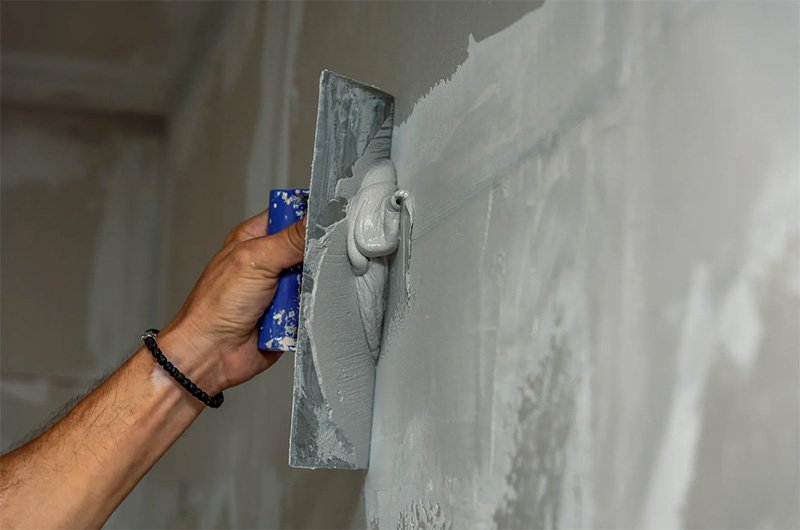
The powder is incorporated with mineral binders, fillers and other dry additives; uniform distribution is important.
Silicone chemistry is designed to reduce the wettability of mineral surfaces after processing and curing, depending on the specific grade chemistry.
Compare capillary absorption and required workability, bond, strength and water-vapor properties against a matched reference formulation.
Mortar Applications & Technical Requirements
Each application needs a different balance of liquid-water resistance, workability and cured performance. These use cases are screening directions for a functional additive, not claims that LANDU supplies the entire mortar system.
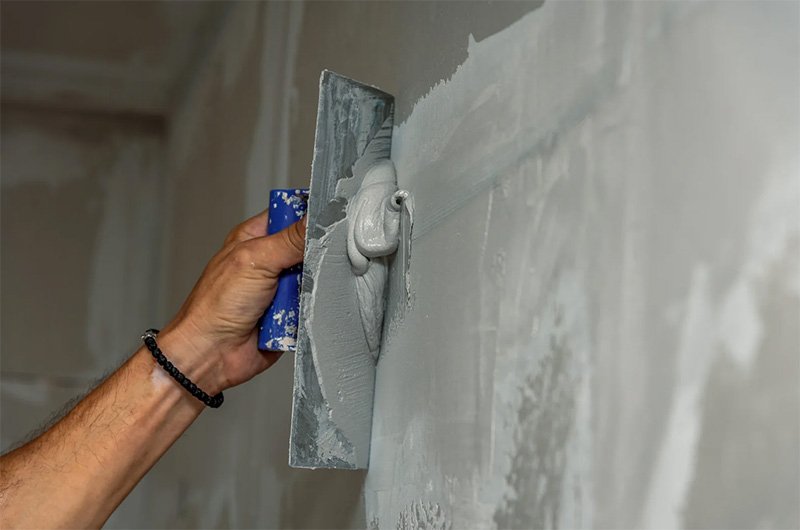
Cement-Based Waterproofing Mortars
Use integral hydrophobization to target lower capillary water uptake. Confirm adhesion, crack movement, permeability and water-pressure requirements separately for the specified system.
Explore mortar applications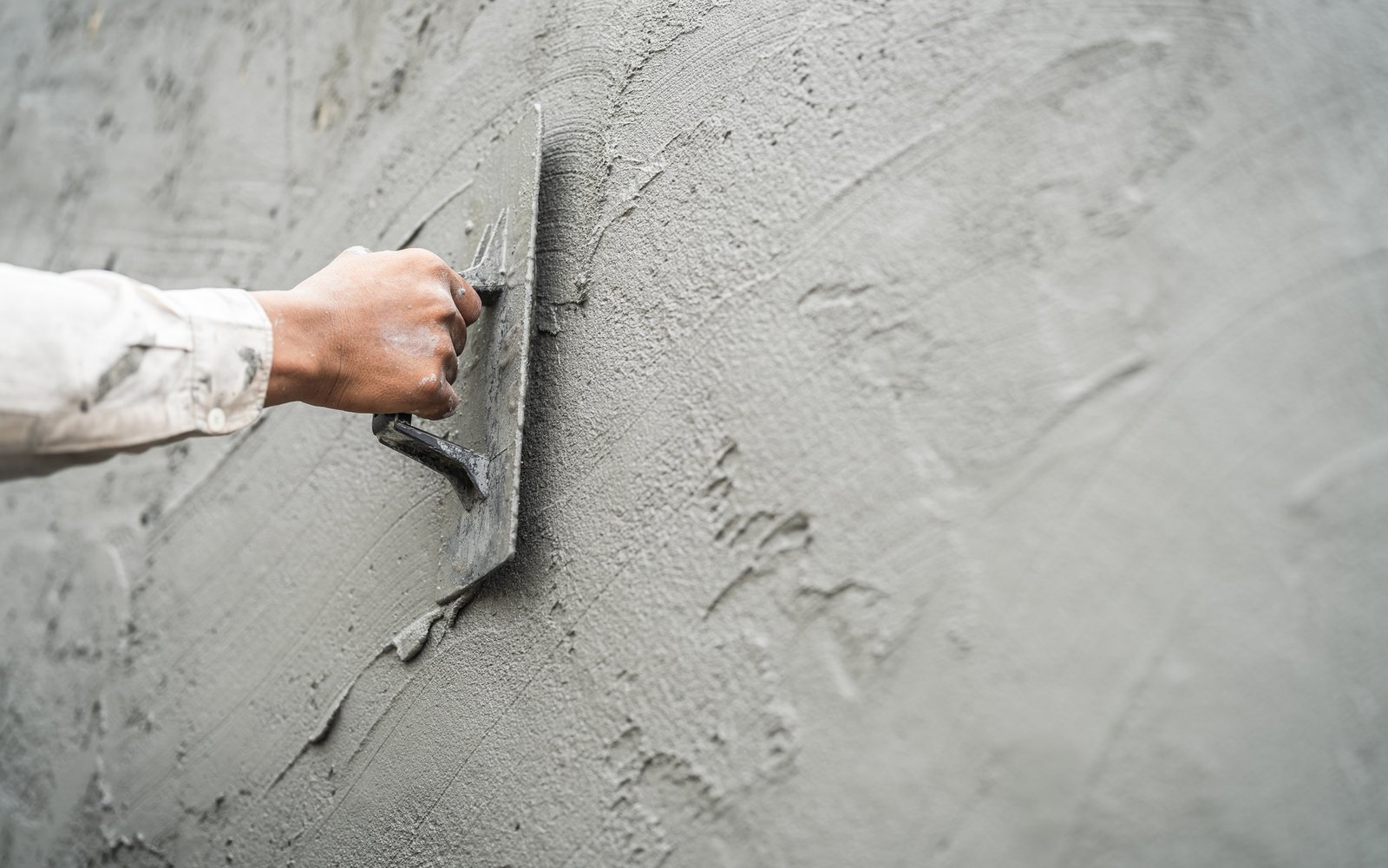
Mineral Renders & Plasters
Target reduced rainwater absorption through exterior render while maintaining required substrate adhesion, surface appearance and vapor transport. Assess the intended render system and curing conditions.
Explore render additives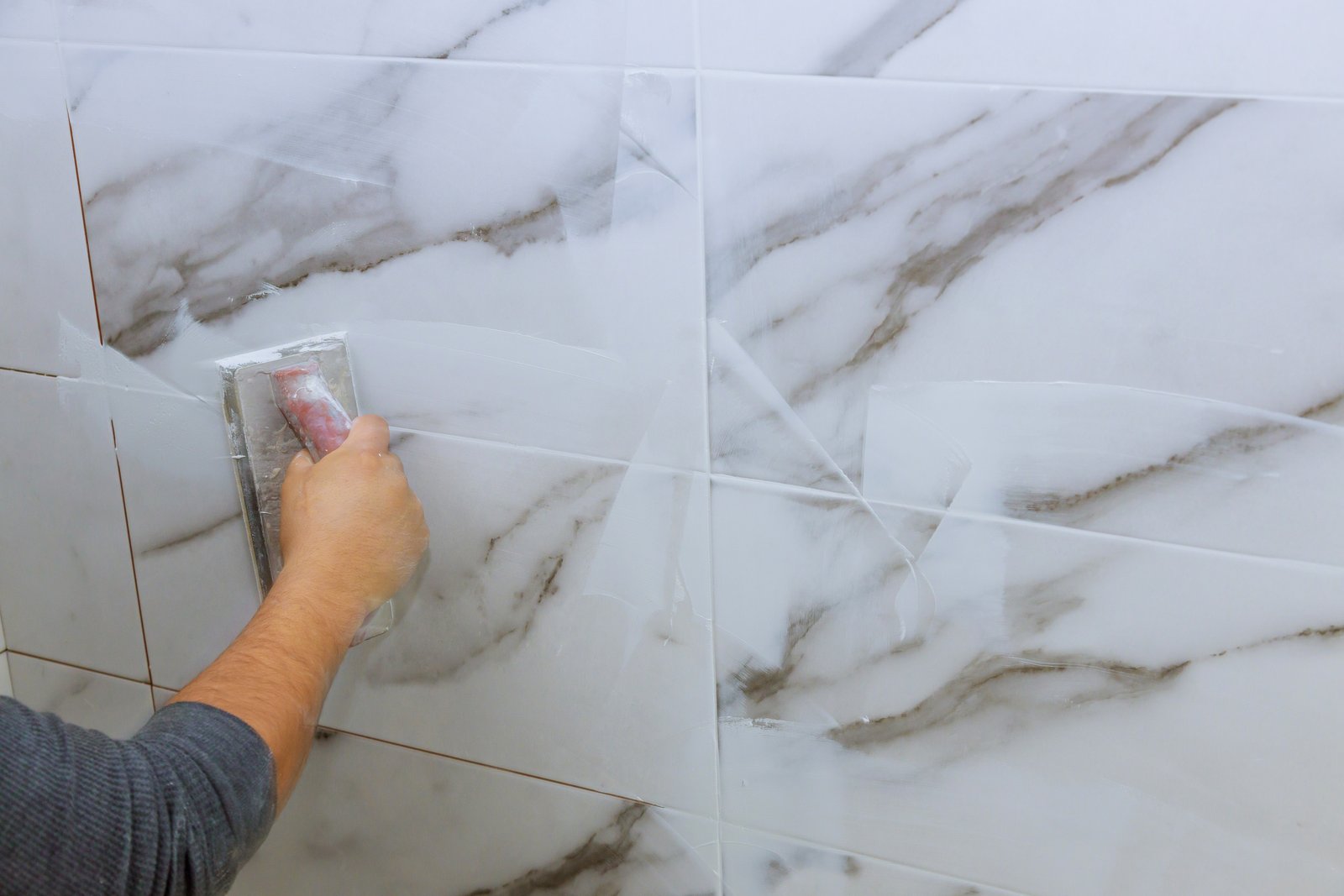
Tile Grout & Decorative Joint Fillers
Water-repellent additives may help limit wetting and water-driven color changes in cementitious joints. Check pigment stability, mixing consistency, abrasion and final product requirements.
Browse tile-related additives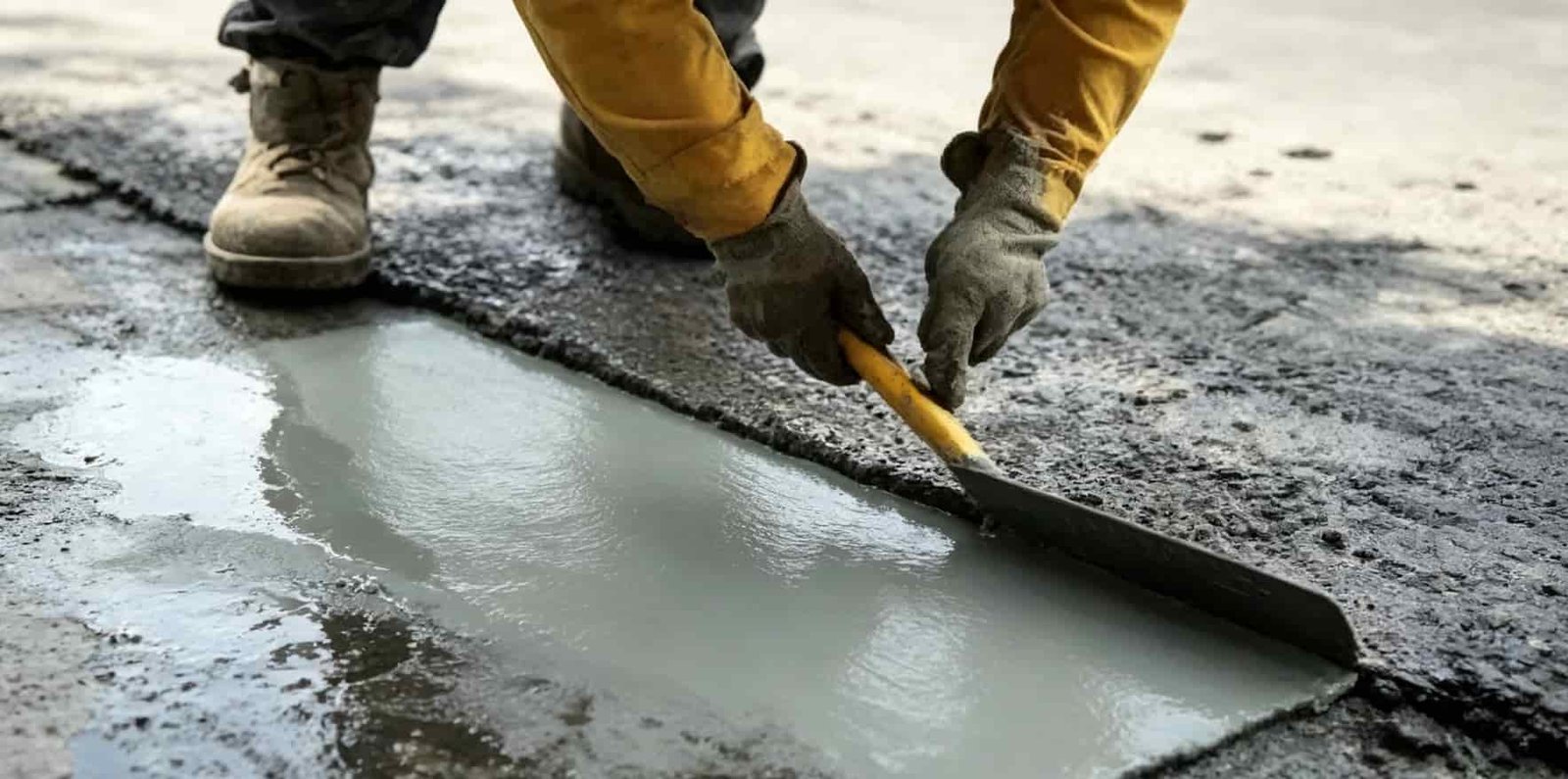
Repair & Patch Mortars
Water-repellency can be evaluated where reduced capillary uptake is desirable. Maintain specified bond strength, curing, crack resistance and compatibility with reinforcing interfaces where relevant.
Explore repair mortar
EIFS / ETICS Mortar Layers
Screen SHP for an appropriate mineral layer where water-repellent behavior is specified. The complete exterior insulation system must independently meet its relevant bonding, moisture and fire requirements.
Explore EIFS / ETICS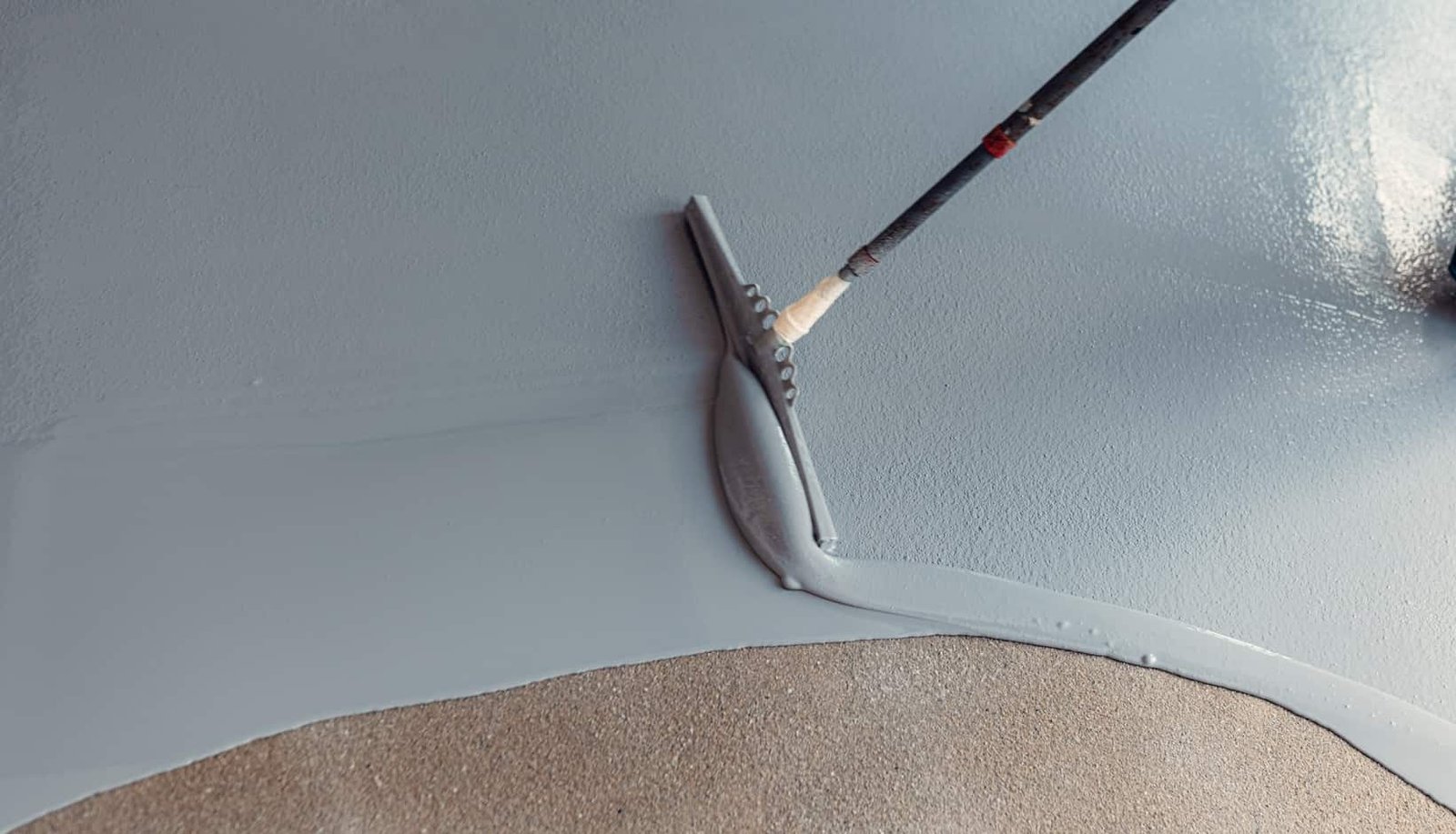
Self-Leveling Compounds
Evaluate only where an integral water-repellent function is needed. Hydrophobization may change wetting, spreading or self-healing, so flow, air release, segregation and adhesion must be checked first.
Explore self-levelingHow to Verify an SHP Grade in a Dry-Mix Formulation
Evaluate SHP75 / SHP80 against an untreated reference using the same binder, water content, aggregates and curing conditions. Selection should be based on the target finished product, not visible water beading alone.
Determine the capillary water-absorption coefficient for applicable hardened mortar systems; EN 1015-18 is an established method for mortar containing mineral binders.
Check water demand, consistency, setting, mixing behavior, air content and compatibility with cellulose ether, RDP, defoamer and dispersants.
Check bond, strength and any product-specific performance requirements, including water-vapor transport where relevant; verify the full system against applicable standards.
Common Selection and Formulation Questions
| Observed issue | First factors to investigate | Practical decision |
|---|---|---|
| Water absorption remains high | Binder and filler porosity, SHP dispersion, dosage basis, curing and test method. | Use side-by-side capillary uptake tests before changing the grade or dosage. |
| Water beads but mortar fails a water test | Beading is a surface observation; water pressure, cracks and joints may dominate service behavior. | Test the specified finished-system requirement rather than equating beading with waterproofing. |
| Bond or early strength changes | Hydration, water demand, RDP compatibility, substrate wetting and mixing order. | Rebalance the complete formulation; verify bond and strength at the required ages. |
| Colored mortar shows uneven shade | Pigment/filler distribution, wetting, mixing time, moisture variation and curing. | Compare appearance under controlled curing and wetting cycles. |
| Self-leveling loses spread | Interference with surface wetting, PCE performance, air release and rheology. | Prioritize flow and leveling requirements; discontinue SHP if incompatible. |
From Laboratory Trial to Commercial Supply
LANDU supplies functional construction additives rather than finished waterproofing mortar or an entire facade system. For a meaningful technical recommendation, share your binder system, intended application, expected moisture exposure and target test method.
Request TDS / SDS / CoA
Confirm specifications, test conditions, applicable documentation and batch-related quality information.
Compare SHP Grades
Request representative samples for laboratory screening under your own mortar conditions.
25 kg Bag
Current site states 25 kg PP woven bags with PE liner and 600 kg per pallet; confirm the latest logistics details.
Dry Storage
Keep sealed and protected from moisture; follow the current grade SDS and TDS for full storage instructions.

Silicone Hydrophobic Powder: Questions from Formulators
What is silicone hydrophobic powder used for?
It is a functional additive used in selected dry-mix mortar systems to reduce capillary absorption of liquid water. Typical screening areas include cement renders, grouts, repair mortars and mineral-based waterproofing mortars.
Is silicone hydrophobic powder the same as a waterproof membrane?
No. SHP is an ingredient intended to modify mortar water repellency. A finished waterproof system must meet its own water-pressure, crack-bridging, bonding and other requirements; one additive alone does not establish compliance.
What is the difference between SHP75 and SHP80?
LANDU currently lists both grade names under a shared specification table. Their active chemistry, carrier composition and specific application differences are not established by that table. Request the separate current TDS and compare samples in the intended mortar.
How much SHP should be used in a mortar formulation?
LANDU's existing product page shows preliminary guidance of 0.2–0.5%. Confirm whether the current grade TDS states this on dry-mix or binder mass before use; the correct trial level depends on the complete mix and target water uptake.
Can SHP prevent efflorescence?
Reduced liquid-water movement can help manage one driver of efflorescence, but the salt source, pore structure, curing and wetting/drying conditions also matter. Complete prevention cannot be guaranteed by SHP alone.
Does SHP reduce water-vapor permeability?
Hydrophobizing additives target liquid-water wetting, which differs from vapor diffusion. Vapor permeability must be measured for the cured mortar; no universal value can be assumed from the presence of silicone chemistry.
Can SHP replace HPMC or RDP?
No. SHP is selected for hydrophobic behavior; HPMC is mainly used for water management and rheology, while RDP modifies adhesion and polymer-related performance. They may be evaluated together but are not direct functional replacements.
What information should I send when requesting an SHP sample?
Provide the mortar application, binder and filler system, current water-repellent chemistry, mixing procedure, target absorption test, curing conditions and approximate purchasing volume. These details support relevant grade screening.
Build a Compatible Mortar Additive Package
The hydrophobizing component is only one part of the finished mortar. Explore complementary LANDU products according to the performance property being formulated.
Find the Right Silicone Hydrophobic Powder for Your Mortar
Tell LANDU which mortar you manufacture, the capillary absorption target and whether you need SHP75 or SHP80 data. Ask for an up-to-date grade TDS, a sample for laboratory evaluation or a commercial quotation.