
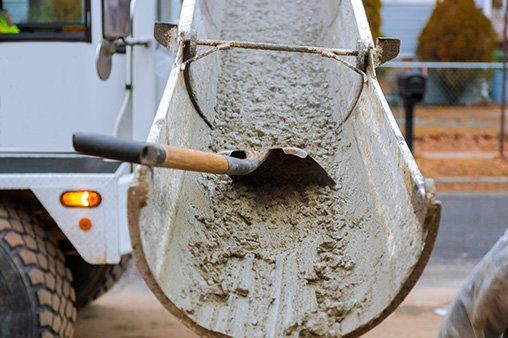
Short answer: "Low PCE", "Mid PCE" and "High PCE" (often written Low PC, Mid PC and High PC) are commercial labels for polycarboxylate ether–based concrete admixtures. They tell you roughly how much active PCE polymer the product contains and therefore how much water reduction it can deliver. Low PCE products contain the least active polymer, sometimes combined with lignosulfonate or sodium gluconate to reduce cost, and are used for ordinary grades of concrete. Mid PCE products suit most ready-mix and pumped concrete. High PCE products are used for high-strength, self-compacting and precast concrete, where the lowest water–cement ratio and the longest slump retention matter. The labels are not defined by a standard, so always compare suppliers on solids content, water reduction and slump retention measured in your own materials.
What Does PCE Mean in a Concrete Admixture?
PCE stands for polycarboxylate ether (also called polycarboxylate superplasticizer). It is the newest generation of high-range water reducer. A PCE molecule has a charged backbone that adsorbs onto cement particles and long side chains that keep the particles apart by steric hindrance. That combination frees the water trapped between flocculated cement grains, so concrete flows with less water.
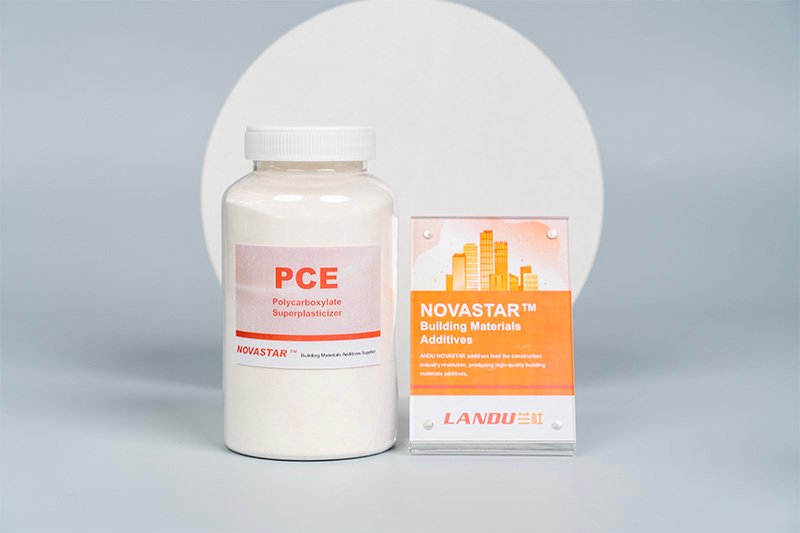
A PC-based or PCE-based admixture is a ready-to-use liquid in which PCE is the main active ingredient. Admixture producers make it by diluting a concentrated PCE (for example a liquid mother solution or a powder) and often blending in other components:
- Lignosulfonate, to lower cost. Sulfonated naphthalene formaldehyde (SNF) is generally not blended into PCE products, because the two are usually incompatible.
- Retarders such as sodium gluconate, to extend setting and slump life in hot weather.
- Defoamers or air-entraining agents, to control air content.
- Slump-retaining PCE types, to hold workability during long transport.
How much PCE is in that final blend is what the low, mid and high labels describe. To see how PCE is selected for different concrete types, read PCE for concrete.
Low, Mid and High PCE Compared
| Low PCE admixture | Mid PCE admixture | High PCE admixture | |
|---|---|---|---|
| Active PCE content | Lowest; sometimes combined with lignosulfonate or gluconate | Moderate | Highest |
| Water reduction | Moderate, above normal plasticizers | High | Highest |
| Slump retention | Limited unless retarded | Good, depending on formulation | Best, especially with slump-retaining PCE |
| Typical dosage per kg of binder | Higher | Medium | Lowest for the same effect |
| Price per kg | Lowest | Medium | Highest |
| Typical concrete | Ordinary structural grades, site-mixed concrete, block and paver plants | Most ready-mix, pumped and medium-strength concrete | High-strength, self-compacting (SCC), precast, prestressed and high-performance concrete |
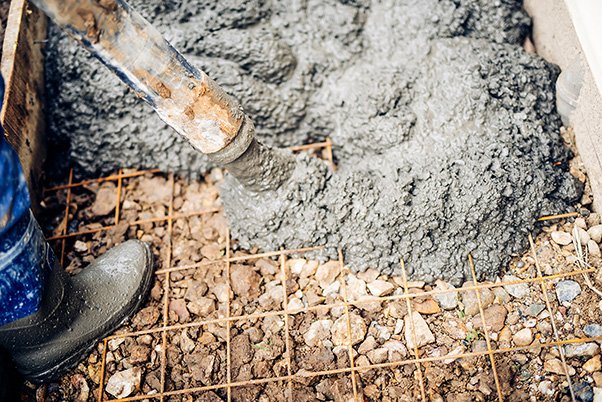
The key point is that price per kilogram is not the same as cost per cubic metre. A high PCE product costs more per kilogram, but you may need much less of it, and the extra water reduction can allow a lower cement content for the same strength.
Why the Labels Are Not Standardized
Admixture standards classify products by performance, not by PCE content. In India, admixtures are specified to IS 9103; elsewhere, ASTM C494 (Type F and Type G high-range water reducers) and EN 934-2 are common. None of these standards defines what "mid PCE" means.
As a result, one supplier's "mid PCE" may contain more active polymer than another supplier's "high PCE". Two products with the same label can also behave very differently because they use different PCE types (water-reducing, slump-retaining or early-strength) and different blending components.
When you compare offers, ask every supplier for the same information:
- Solids content (% by weight) and relative density of the liquid.
- Water reduction at a stated dosage, measured to IS 9103, ASTM C494 or EN 934-2.
- Slump or slump-flow retention over the time you need, for example 60, 90 or 120 minutes.
- Chloride content and pH.
- Recommended dosage range and whether the product contains retarder.
- A recent batch test certificate.
Which PCE Level Suits Which Concrete?
Choose by the performance the job needs, then confirm with trials.

Choose a low PCE admixture when:
- The concrete is a normal grade and the target slump is moderate.
- Transport time is short, for example site mixing or a nearby batching plant.
- Cost per cubic metre is the main driver and a moderate water reduction is enough.
Choose a mid PCE admixture when:
- You run a ready-mix plant producing a wide range of grades.
- Concrete is pumped and needs good slump retention over normal haul times.
- You want a balance between water reduction, workability retention and cost.
Choose a high PCE admixture when:
- You need a very low water–cement ratio for high strength or low permeability.
- You produce self-compacting concrete or precast elements with fast mold turnover.
- Supplementary materials such as fly ash, slag or silica fume increase water demand.
- Long haul times or hot weather require extended slump retention.
Dosage and How to Compare Offers
Because the labels hide different solids contents, compare products on an equal solids basis and on cost per cubic metre:
- Convert dosage to active solids. Dosage (% of binder) × solids content (%) gives the active polymer actually added. This lets you compare a 20% solids product with a 40% solids product fairly.
- Find the dosage that meets your target. Adjust each candidate until it reaches the same slump or slump flow at the same water content.
- Calculate cost per cubic metre. Binder content (kg/m³) × dosage (%) × price per kg.
- Add the value of water reduction. If one product lets you cut cement while holding strength, include that saving.
Example structure for your own calculation: 400 kg binder/m³ × 0.8% dosage = 3.2 kg admixture/m³ × your price per kg = admixture cost per m³. Repeat for each product at the dosage that meets the same target.
Trial Procedure Before Switching Admixture
- Fix the reference mix. Use the same cement, supplementary materials, aggregates and water content as production.
- Record a baseline with your current admixture: initial slump or slump flow, slump at the required times, air content, setting time and 1-, 7- and 28-day strength.
- Test each candidate at two or three dosages, adding it with or after most of the mixing water.
- Check slump retention at the same intervals as your real haul time.
- Watch for bleeding, segregation and excess air. Overdosing PCE can cause all three.
- Repeat with a second cement batch if you change cement sources often, because PCE is sensitive to cement chemistry and to clay in aggregates.
- Run a plant trial before full changeover.

For formulating your own blend from PCE concentrate, see our PCE admixture formulation guide.
Common Problems and What to Check
| Problem | Likely causes | What to check |
|---|---|---|
| Fast slump loss | Too little slump-retaining PCE, high temperature, reactive cement | Add a slump-retaining PCE or retarder; check cement and concrete temperature |
| Bleeding or segregation | Overdosing, low fines, poor grading | Reduce dosage; adjust sand fines and grading |
| Excess air or surface bugholes | PCE without enough defoamer | Add or increase defoamer; measure air content |
| Delayed setting | Too much retarder in the blend, cold weather | Check retarder content; reduce dosage in cold conditions |
| Performance varies between deliveries | Changing cement or aggregate clay content | Test incoming materials; consider a clay-tolerant PCE |
LANDU PCE Options
LANDU supplies NOVASTAR™ polycarboxylate superplasticizers for admixture producers and concrete plants:
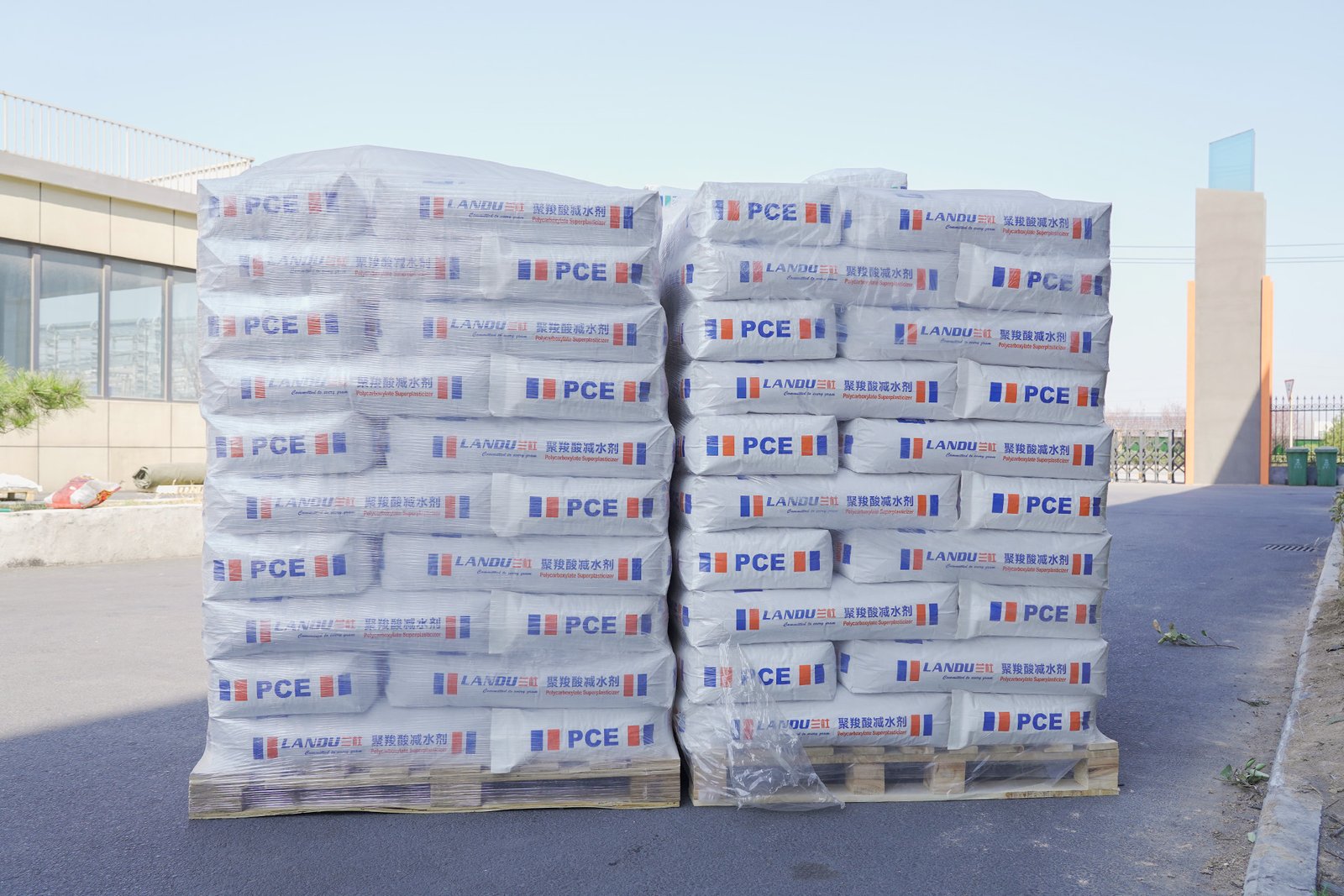
- NOVASTAR® WRL 501 – a liquid high water-reducing PCE for formulating high-range water-reducing concrete admixtures.
- 530P – a powdered PCE for ordinary Portland cement systems, with 34% water reduction per product data, used in dry-mix mortars and grouts.
- See all grades on the polycarboxylate superplasticizer page and application guidance on PCE for concrete.
Send us your cement type, target grade, slump requirement and haul time, and our technical team will suggest a starting product and blend. Request TDS and samples.
FAQs
What is the full form of PCE in a concrete admixture?
PCE stands for polycarboxylate ether. A PCE-based or PC-based admixture uses polycarboxylate ether polymer as its main water-reducing ingredient.
What is the difference between mid PCE and high PCE admixture?
A high PCE admixture contains more active polycarboxylate polymer than a mid PCE product. It gives higher water reduction and usually longer slump retention at a lower dosage, but costs more per kilogram. Because the labels are not standardized, compare actual solids content and test results.
Is a high PCE admixture always better?
No. For ordinary grades with short transport times, a mid or low PCE admixture can meet the specification at a lower cost per cubic metre. High PCE products pay off when you need very low water–cement ratios, self-compacting concrete or long slump retention.
Which standard applies to PCE admixtures?
Admixtures are specified by performance. IS 9103 applies in India, ASTM C494 in the United States and many export markets, and EN 934-2 in Europe. None of these defines low, mid or high PCE.
Can I mix PCE with naphthalene (SNF) admixture?
Generally no. PCE and naphthalene (SNF) superplasticizers are usually incompatible, and mixing them can cause a sudden loss of workability. Do not blend them, and clean tanks, pumps and dosing lines thoroughly when switching from one to the other.
Choose the Right PCE Admixture
Send us your cement type, target grade, slump requirement and haul time. Our technical team will suggest a starting product, TDS and samples.
Request TDS & SamplesView PCE Products